


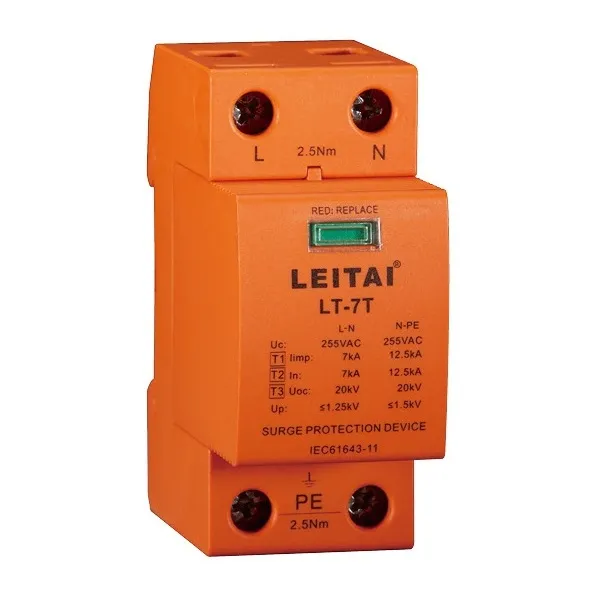
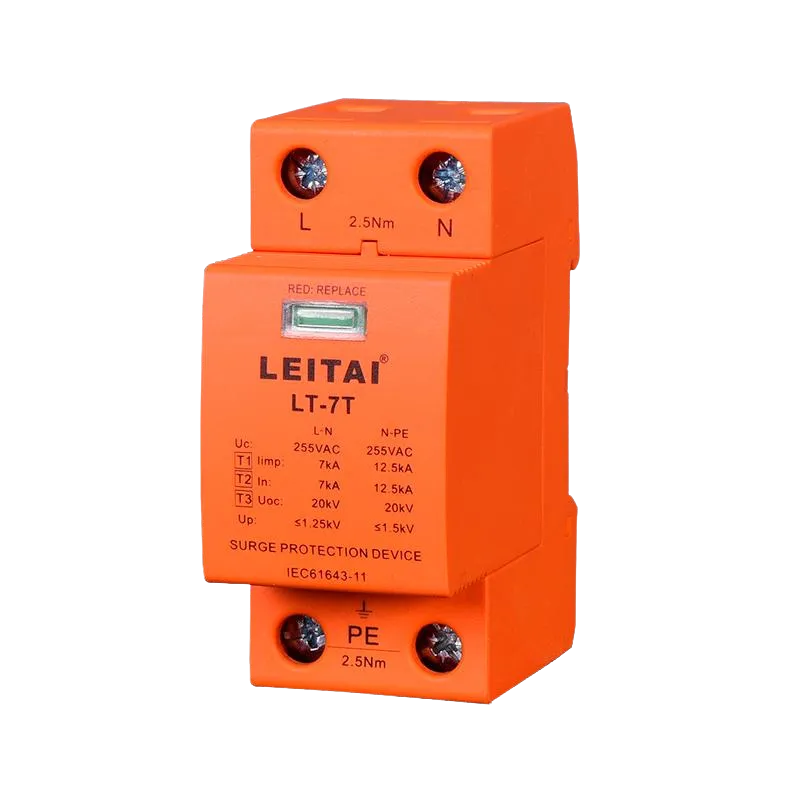
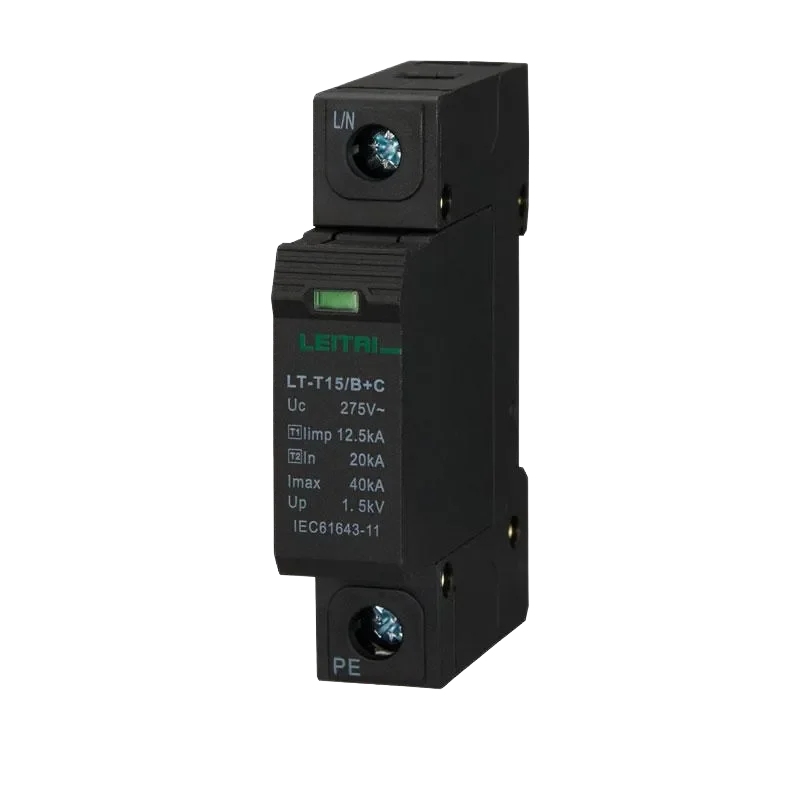
The LT-12.5T is a single phase surge protector rated 12.5kA Iimp (10/350 µs) for kiosk substations and single-phase distribution points. It uses the same 1P+NPE footprint as the LT-7T but nearly doubles the charge capacity, with a clamping level of ≤1.5kV.
Single Phase Surge Protector 12.5kA for Kiosks
Nearly Double the Charge of the Compact Base Model
The step from seven to twelve and a half kiloamps is the difference between a small retail intake and a kiosk substation that sits on the end of an overhead feeder. Both are single-phase, both have limited cabinet space, and the exposure is what separates them.
The Same Footprint
Because the body, terminals and mounting are shared with the smaller version, a specification can move up a rating without changing the enclosure. That is the practical value of the pair: one detail drawing covers both ratings.
Protection Level Trades Against Current
At 1.5kV this version clamps slightly higher than the 7kA model. The trade is deliberate and it is worth stating: more energy handling costs a little clamping performance, which is why the choice between the two is made on exposure rather than on convenience.
For Distribution Points Rather Than Buildings
Kiosk substations, small pumping stations, irrigation points and roadside cabinets share a pattern: limited space, an exposed supply and equipment that matters to the operator. A three-in-one device is often the only protection that fits, and at this rating it is proportionate.
Specifications
| Series | LT-12.5T combined Type 1+2+3 surge protective device |
|---|---|
| IEC classification | Type 1+2+3 combined, tested to IEC 61643-11 |
| Maximum continuous voltage Uc | 255 VAC L-N and N-PE |
| Impulse discharge current Iimp | 12.5 kA (10/350 µs) |
| Nominal discharge current In | 12.5 kA (8/20 µs) |
| Voltage protection level Up | ≤1.5 kV |
| Configuration | 1P+NPE |
| Dimensions | 36 × 83mm |
| Mounting | 35mm DIN rail to EN 60715 |
| Application | kiosk substations, small exposed distribution points |
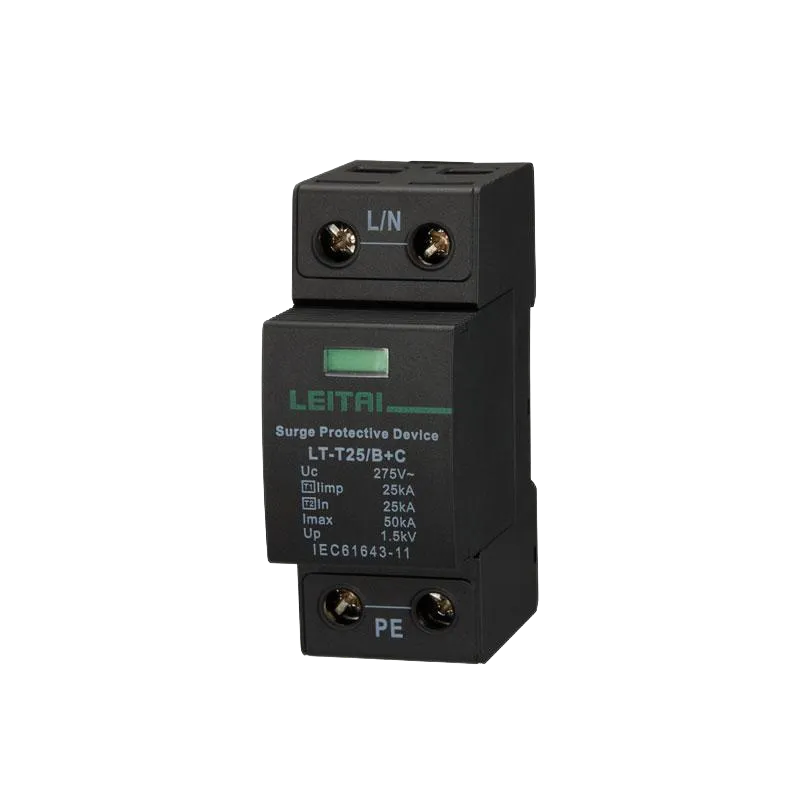
| Related models | LT-7T (7kA version), LT-T25 (25kA Type 1+2) |
Reading the LT-12.5T specification
The step from 7kA to 12.5kA is a step in charge, not in size. Both devices occupy the same rail width and use the same terminal arrangement, so a specification can move up the range without changing the enclosure — which matters in a kiosk where the DIN rail length is fixed by the manufacturer.
Clamping rises from 1.25kV to 1.5kV as the rating increases. That is the normal trade in a combined device: more charge capacity costs protection level, and the two figures have to be read together rather than compared in isolation.
Wiring Diagram & Connection
The LT-12.5T is the higher-current version of the compact three-in-one and is wired in the same way. Its 12.5 kA Iimp makes it the usual choice for a kiosk substation feeding a small LV board rather than a single piece of equipment.

LT-12.5T — A Kiosk Substation in One Rail Position
Kiosk substations and roadside cabinets are a difficult specification: the enclosure is small, the supply arrives overhead, and there is no room for a three-stage design even when the standard would ask for one. A three-in-one device at twelve and a half kiloamps answers that combination directly, and it does so in a single rail position.
The decision between this and the LT-7T is made on the supply route rather than the load. A short underground service into a shop does not need the larger rating; an overhead feeder into a cabinet on a pole does. Where the answer is genuinely unclear, the larger rating is the safer choice, because the cost difference is small and the consequence of under-specifying is a device that operates more often than it should.
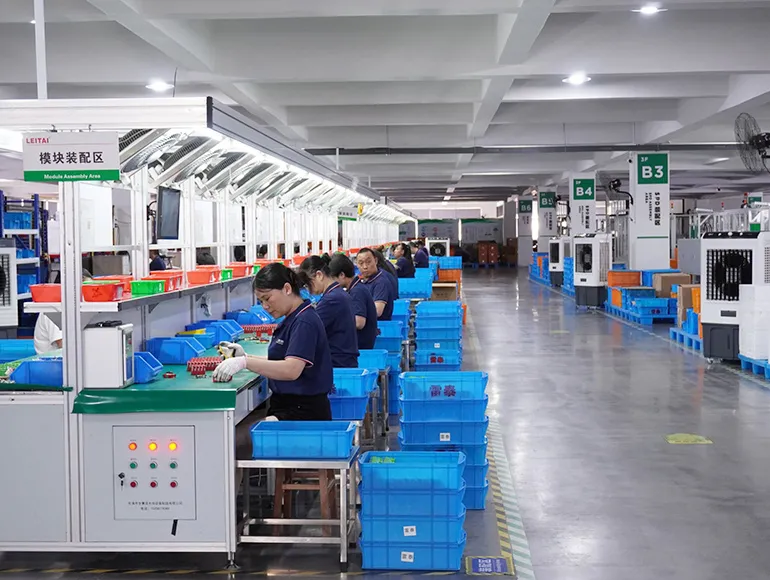
Factory-Direct OEM / ODM Manufacturer
One Line, One Supplier
Own tooling · own test station · 40+ export markets since 2010
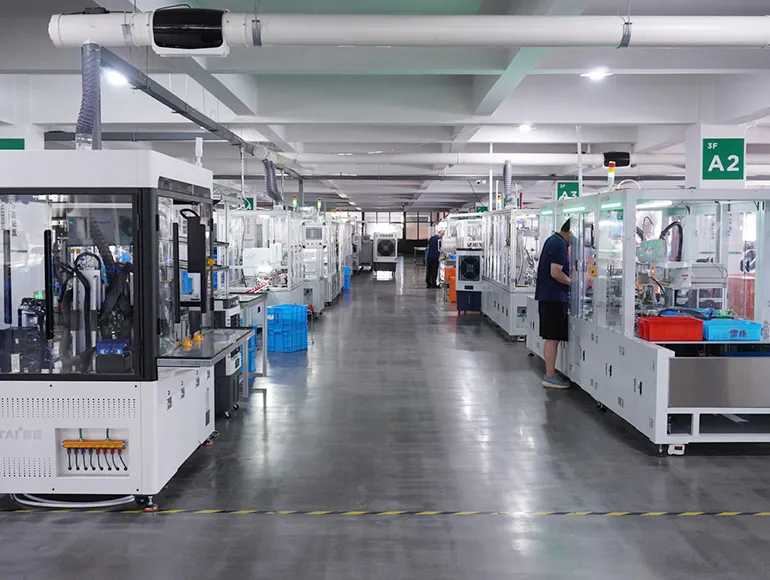
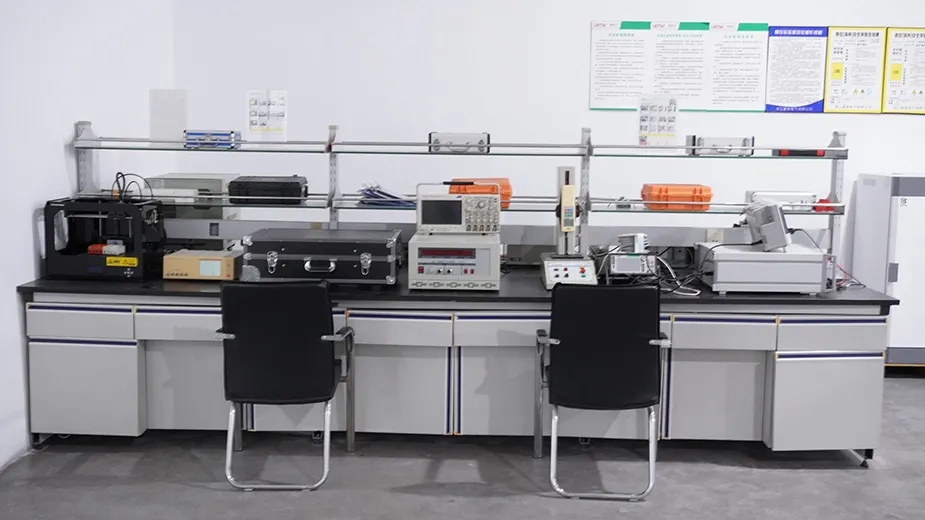
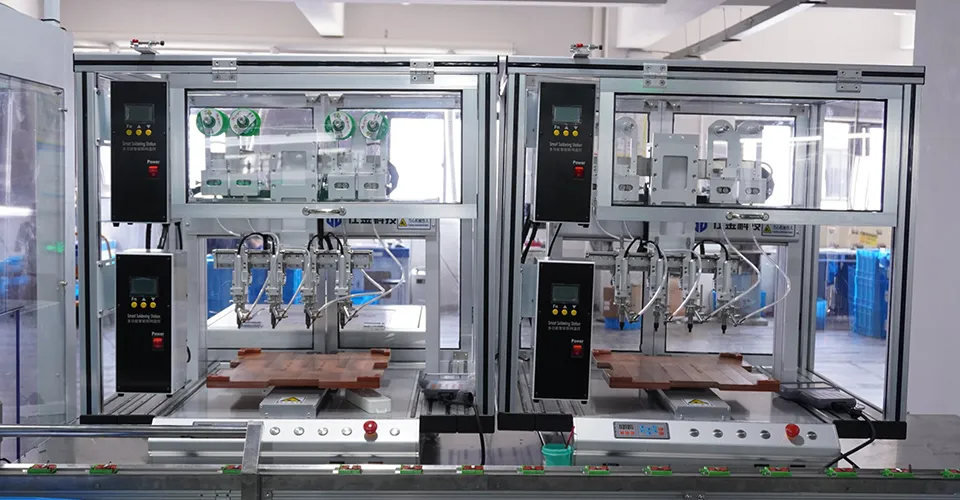
Importers usually buy surge protection from two or three traders and then discover that the modules do not fit the same busbar. We build the whole chain — moulding, assembly, calibration and final test — in one plant, so a mixed order arrives consistent. The series overview is on our AC SPD range page.
- OEM / ODM — design changes handled in house from drawing to first article.
- Mixed containers — several models and accessories loaded together against one PO.
- Documents — test reports, declarations and dimension drawings supplied with the shipment.
- After-sales — replacement modules and spare parts supported for the life of the range.
Buying Guide
- Establish whether the supply arrives overhead or underground, since that dominates the exposure at a small intake.
- Confirm the single-phase arrangement and the 255V continuous voltage suits the site.
- Check the enclosure depth for a 36 by 83mm device plus its terminal clearance.
- Decide between the 7kA and 12.5kA ratings on the basis of that exposure assessment.
- Keep the earth lead to the shortest practical route; in a small enclosure this is easy to get wrong.
Where the LT-12.5T is the wrong choice
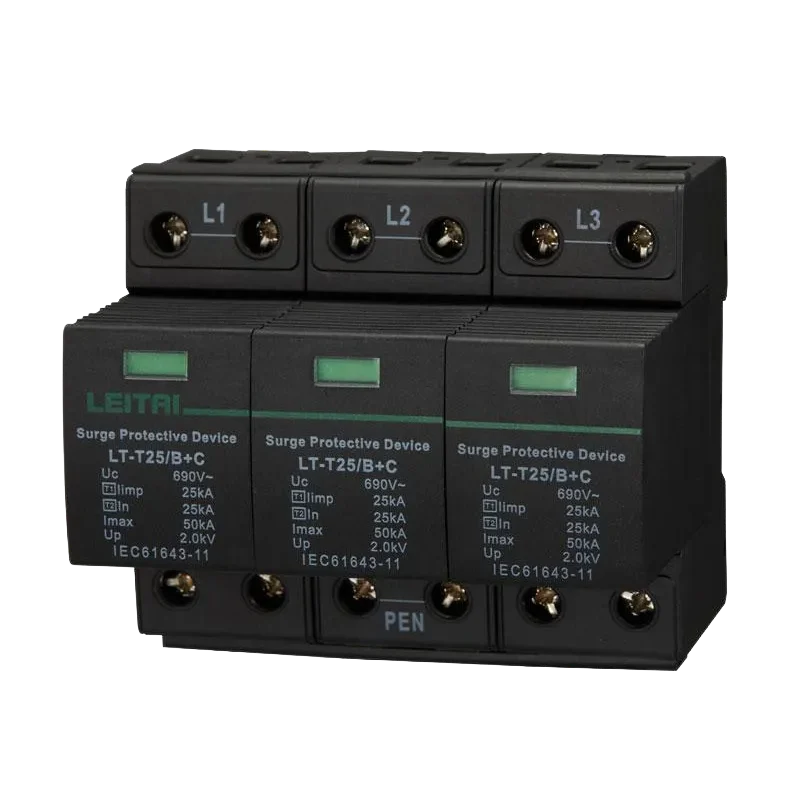
It is a single-phase device, so it is not the right choice for a three-phase kiosk supply — the LT-T15/B+C covers that arrangement. It is also not intended for a building main intake, where the exposure and the required Iimp are normally higher.
How We Support Your Business
OEM / ODM
From a printed logo on a standard module to a modified housing and a new rating label — changes are handled on our own tooling, not through a broker.
Logo printing · Modified housing · Own label
Wholesale
Buy the models that move in your market and mix them with accessories in the same shipment; pricing is quoted per configuration.
Per-item MOQ · Mixed shipment · Export packing

Distributor Support
Stock planning, replacement-module supply and market-specific documentation for channel partners who hold inventory.
Stock planning · Spares · Documentation
Ready to Order the LT-12.5T?
Tell us how the supply reaches the site and send a photo of the cabinet, and we will confirm which compact three-in-one rating fits and whether any downstream device is still needed.
Frequently Asked Questions
What is a kiosk substation SPD?
It is a compact protective device for the distribution point inside a prefabricated kiosk, where rail space is limited and the supply is typically single-phase with a local earth reference.
Why does 12.5kA clamp higher than 7kA?
More charge capacity in the same body means a larger element, which raises the residual voltage. The two ratings trade against each other and should be read together.
Can it be used in a three-phase kiosk?
No. This is a 1P+NPE single-phase device; a three-phase supply needs a three-pole or 3P+NPE arrangement.
Can it be used inside a kiosk substation?
Yes, that is a primary application. The device mounts on DIN rail inside the cabinet and protects the auxiliary and distribution circuits.
What happens if the exposure is higher than expected?
The device operates more frequently and reaches end of life sooner. Where the site proves to be more exposed, moving to a Type 1+2 device with a higher Iimp is the correct response rather than replacing the same model.
Does it need a separate Type 3 device at the load?
For most small installations the 1.5kV level is adequate at the equipment. Very sensitive loads may still warrant a Type 3 device, which we can quote alongside.


Reviews
There are no reviews yet.