

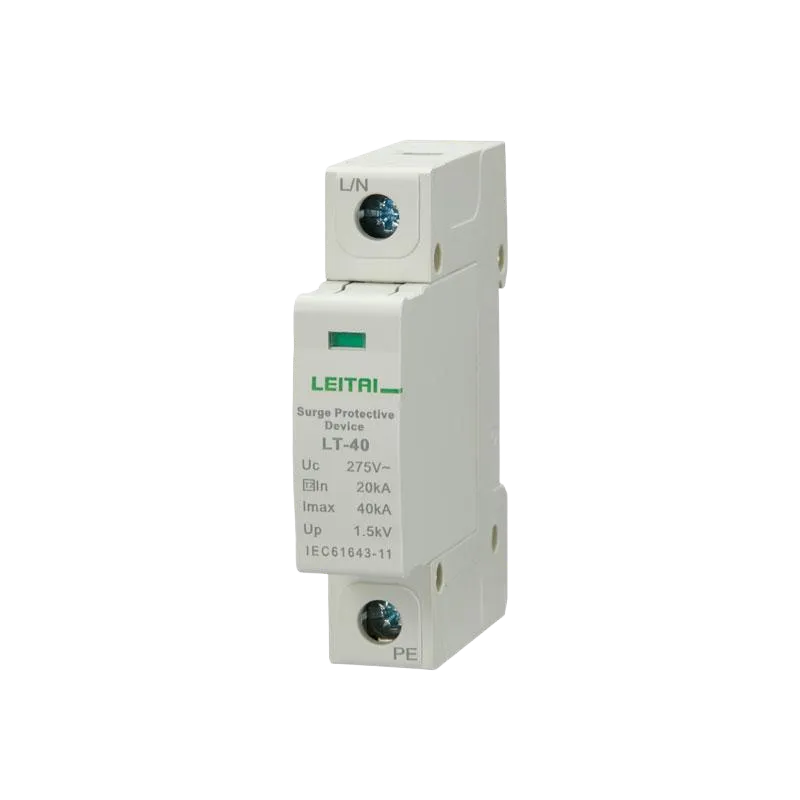
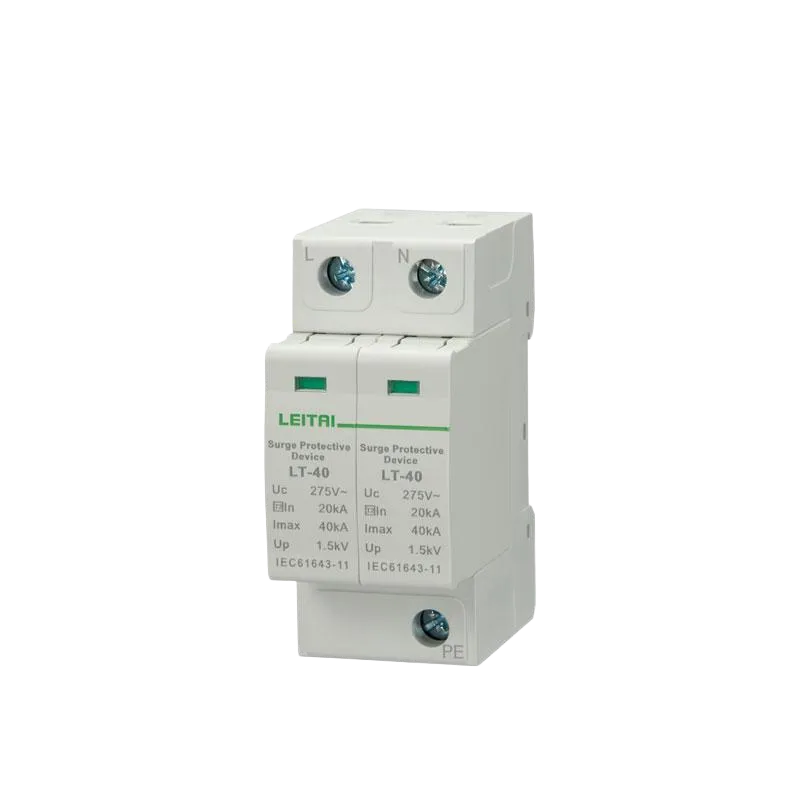
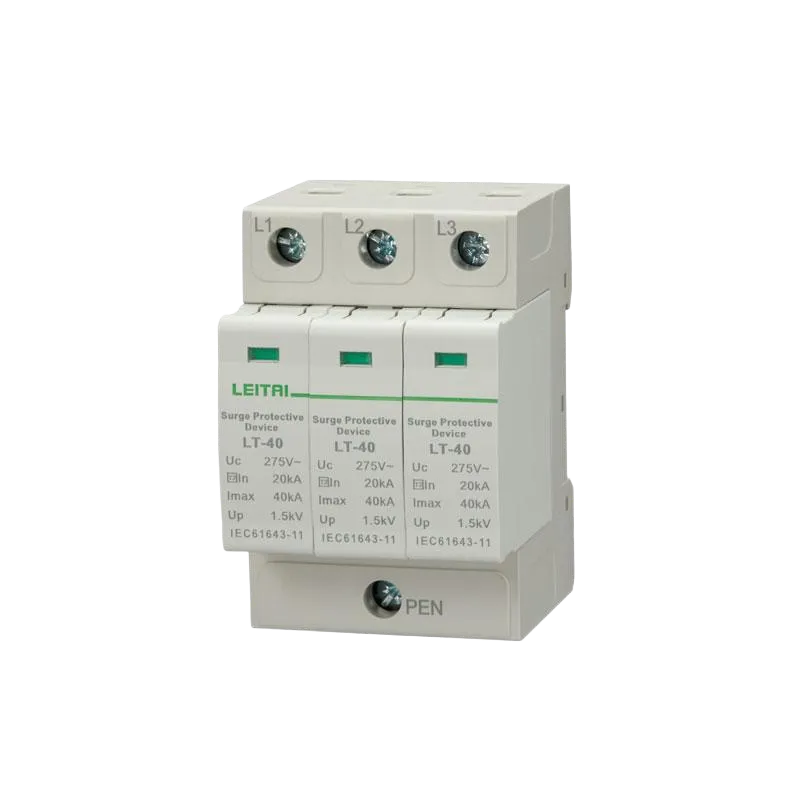
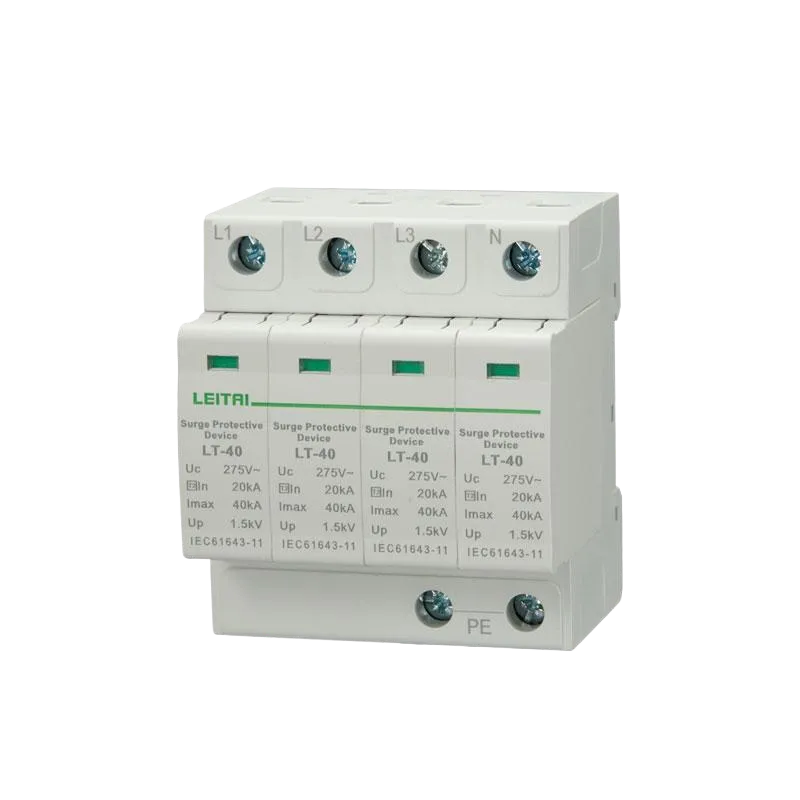
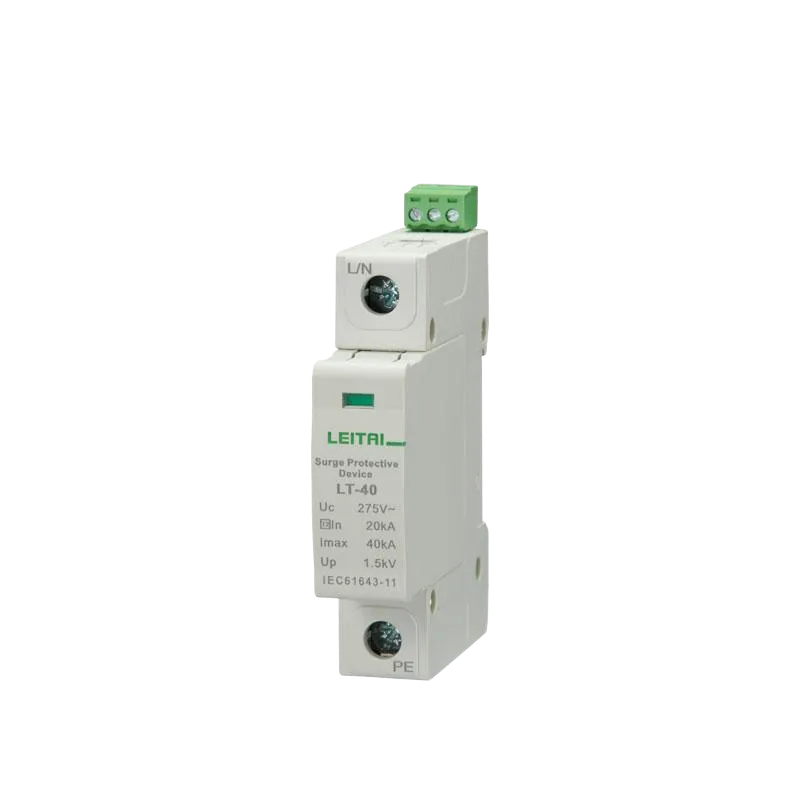
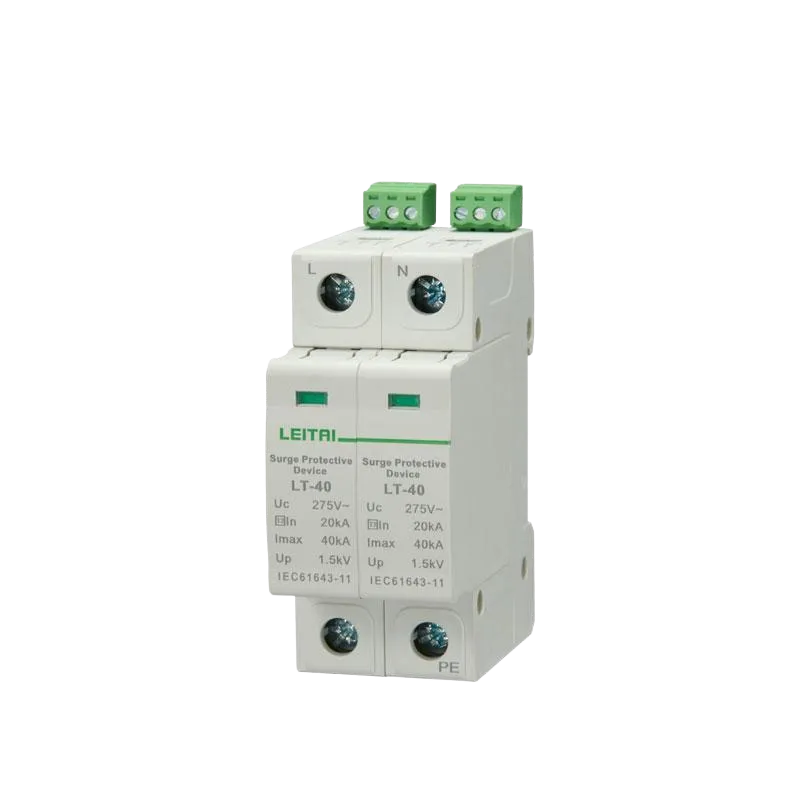
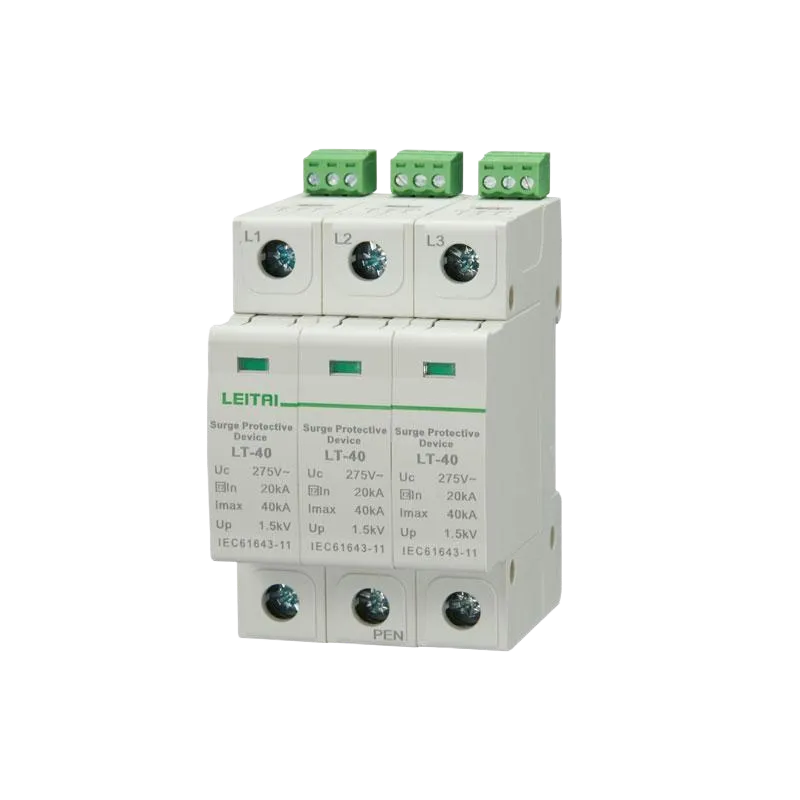
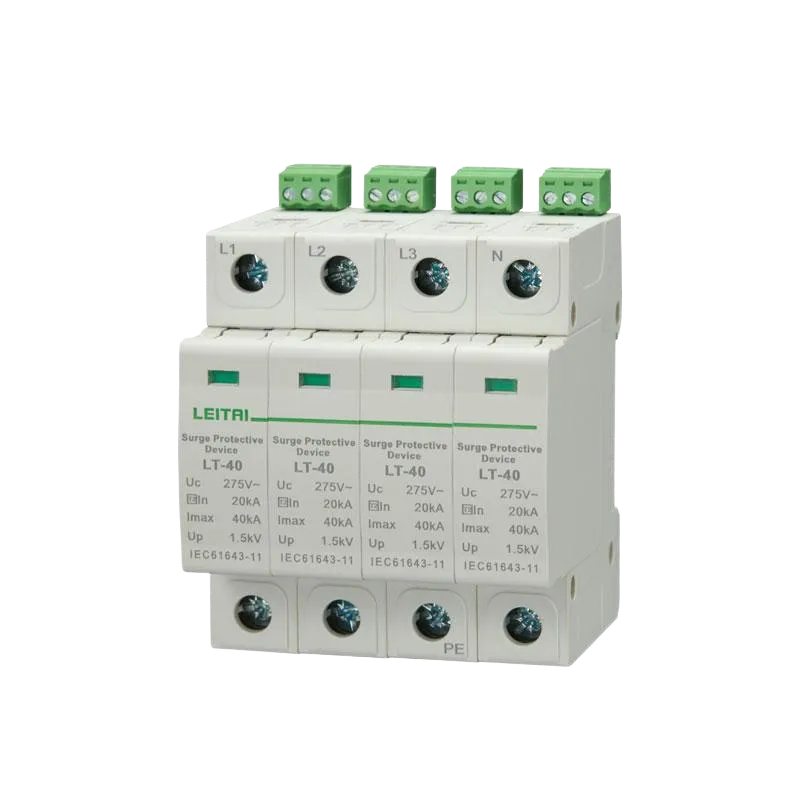
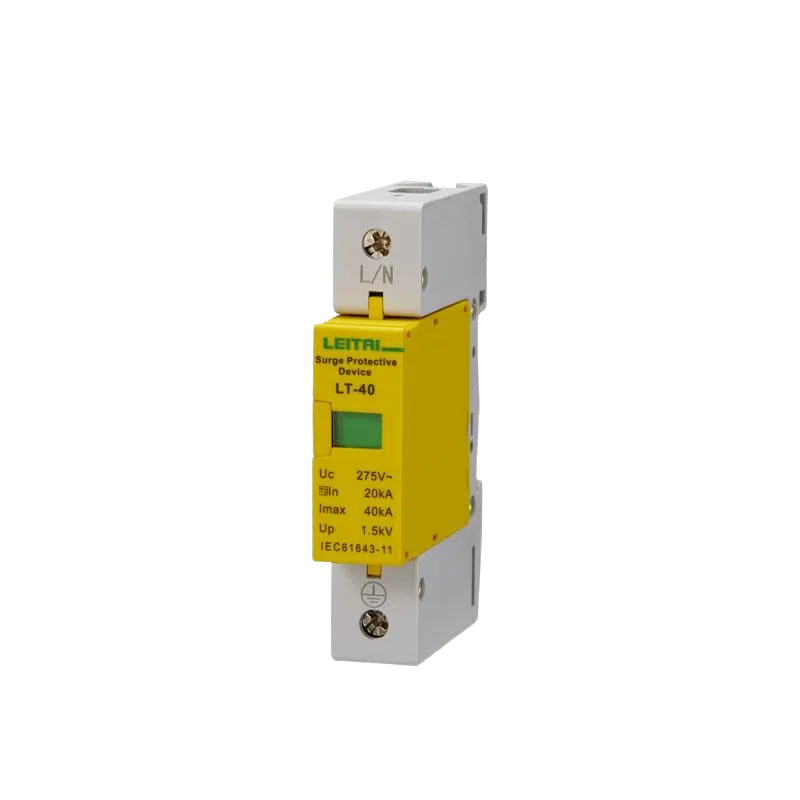
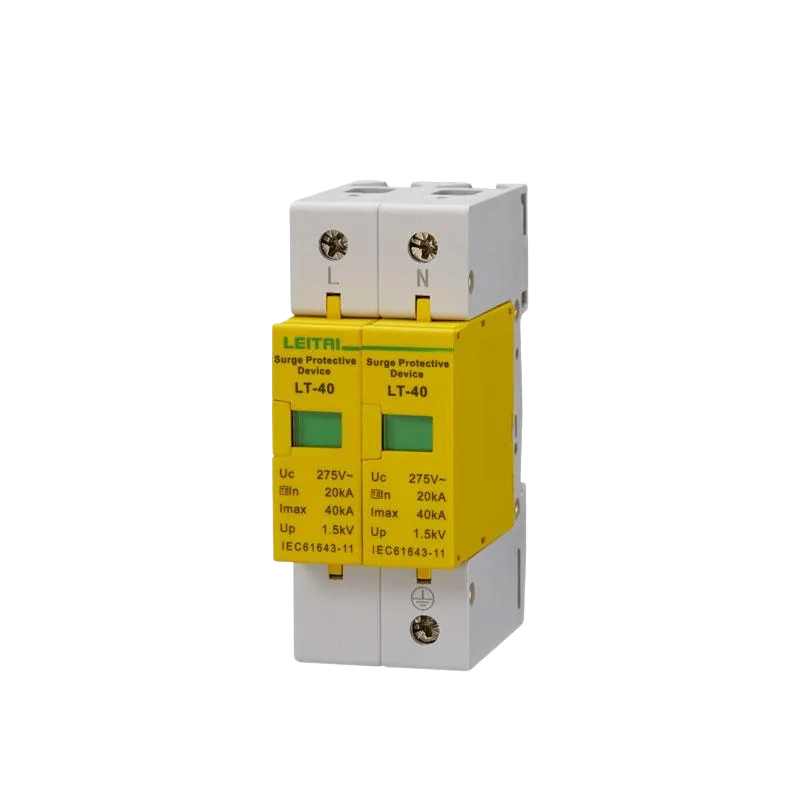
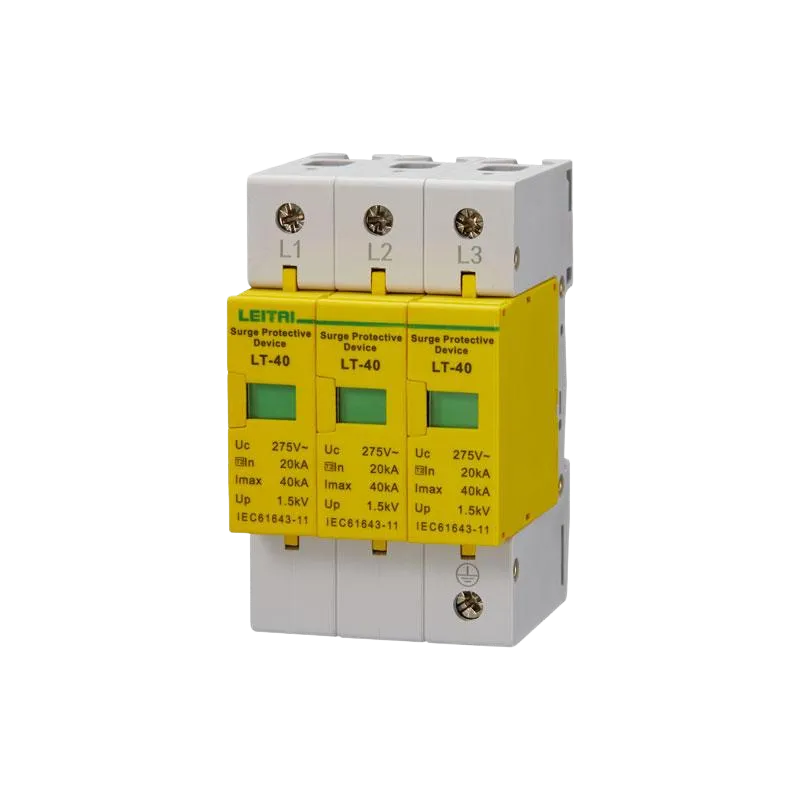
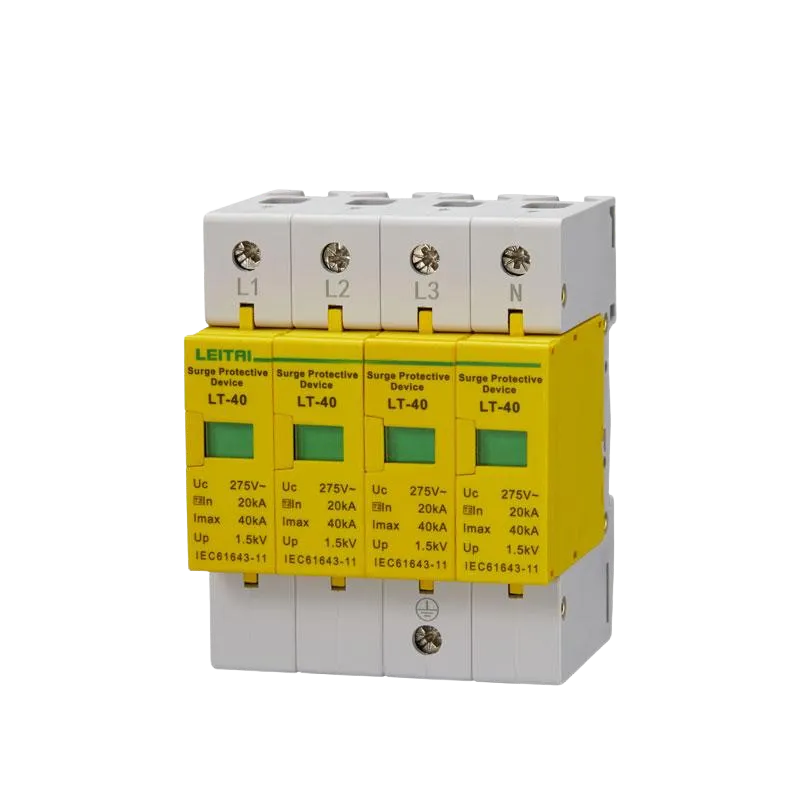
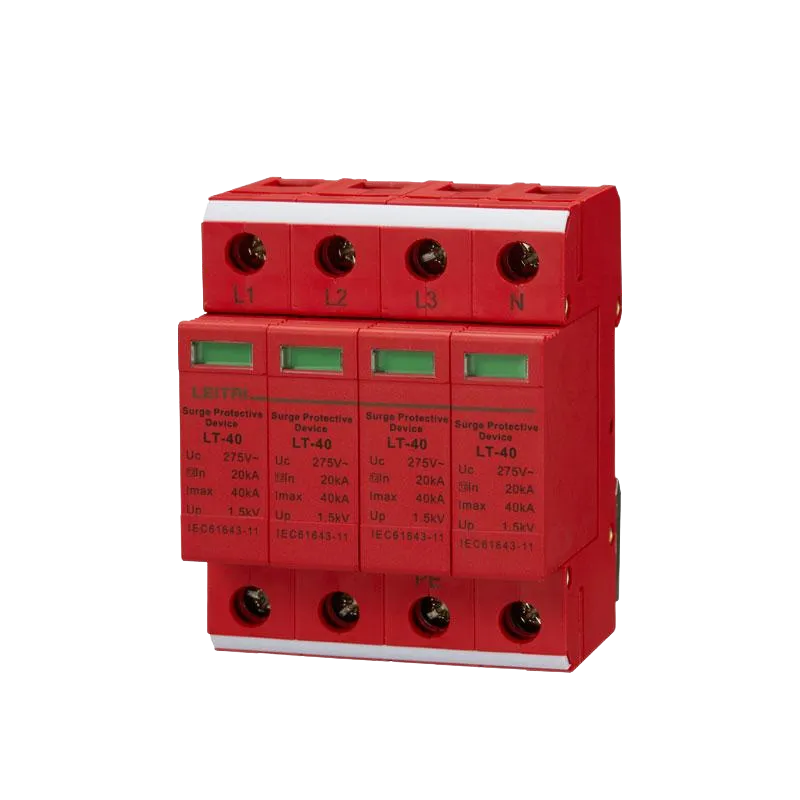
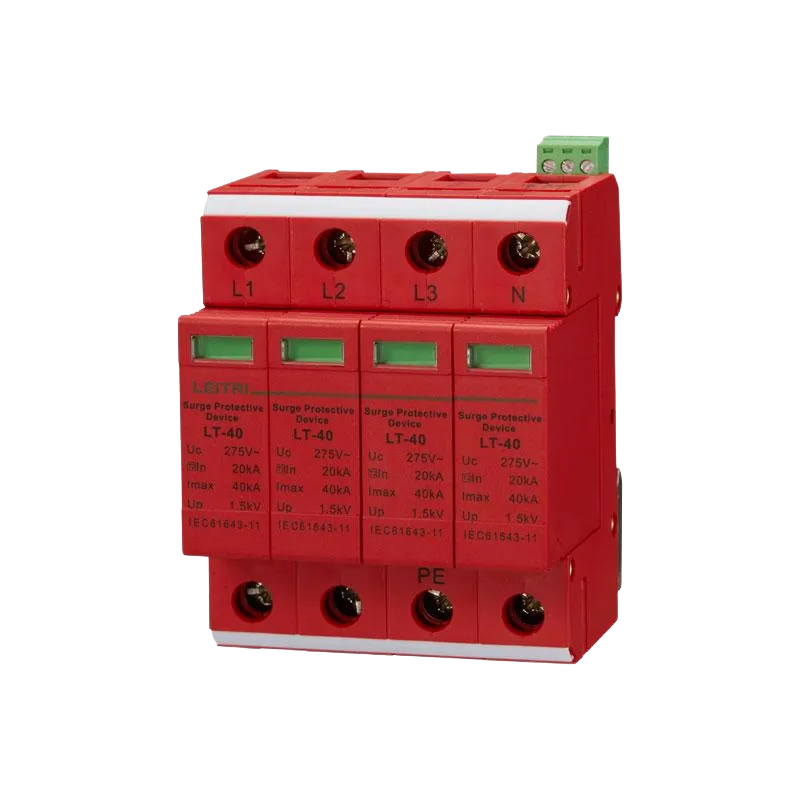
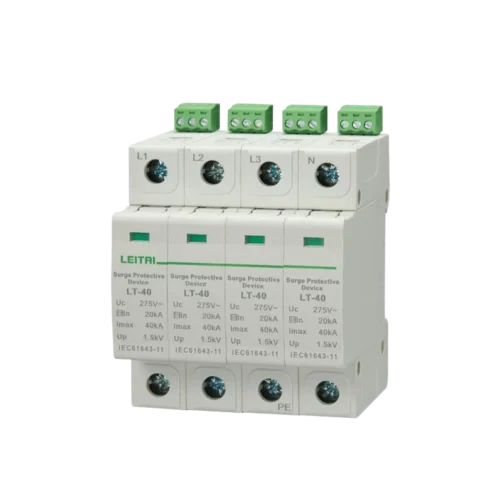
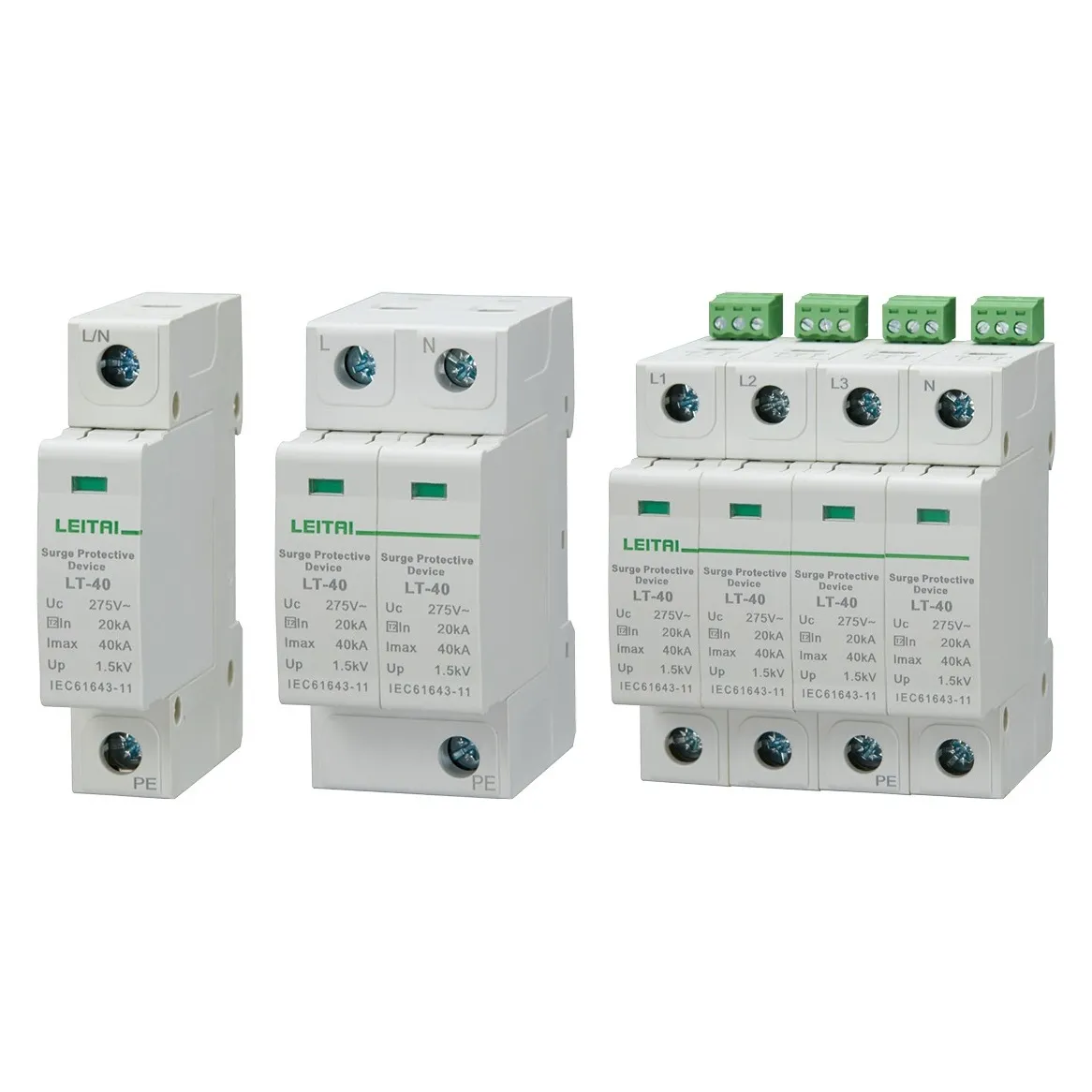
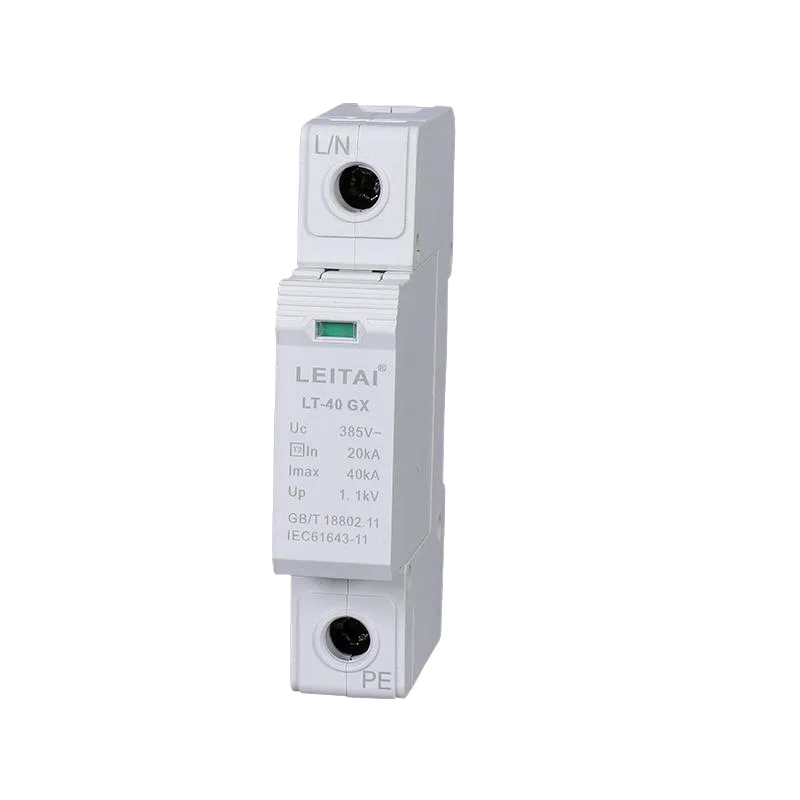
The LT-40 is a 40kA Type 2 SPD for main and sub-main distribution boards, rated 20kA nominal discharge with Up down to 1.4kV at 275V Uc. It is specified where a sub-board needs Type 2 protection but the rail depth is already fixed by the MCB row beside it. Three base heights — 90, 83 and 79mm — let the front face land level with the outgoing devices, so the busbar comb and terminal shroud still line up without a spacer.
40kA Type 2 SPD: Key Features & Typical Use
The Rating Most Boards Actually Need
Twenty kiloamps nominal is the figure that appears in the majority of commercial specifications for a sub-distribution board, and it is the point where varistor cost, module width and protection level balance. The LT-40 holds that middle ground without asking for a wider rail than the device beside it.
Base Heights for a Straight Stack
Surge protectors are usually mounted next to miniature circuit breakers, and the two are not the same depth. Three base heights let the front face of the SPD land level with the outgoing devices, which keeps the busbar comb and the terminal shroud lining up and saves a spacer.
Status You Can Read from the Panel Door
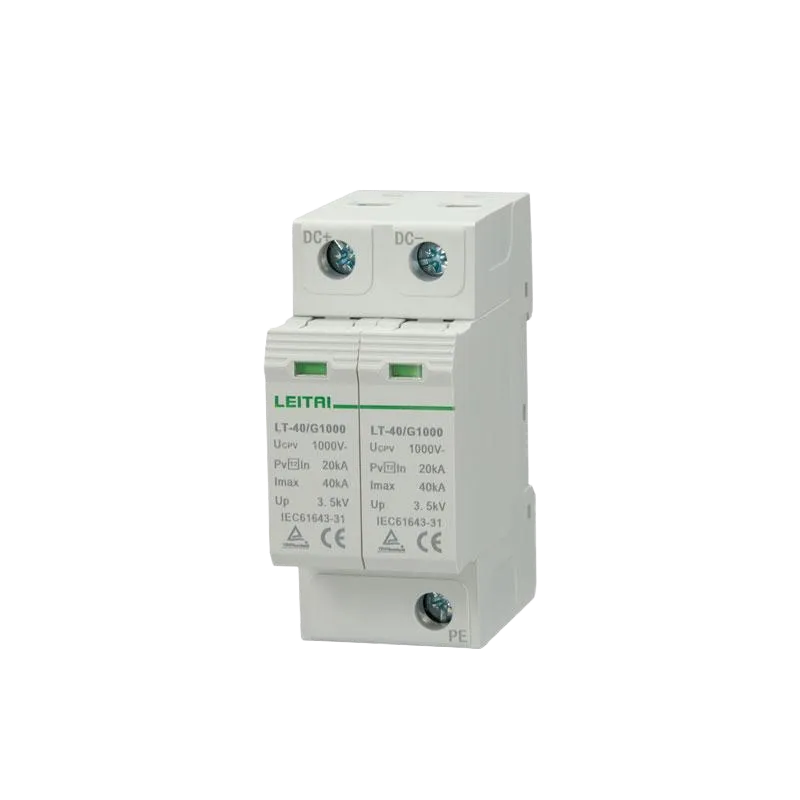
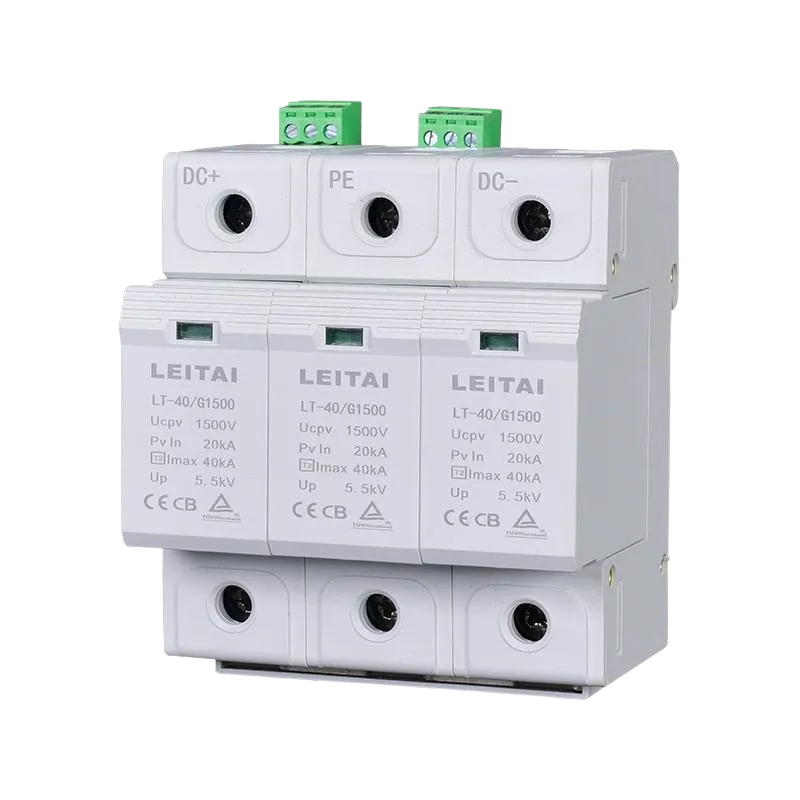
Each pole carries its own window, so a maintenance check is a visual pass along the rail rather than a test with a meter. When the thermal disconnector opens, the flag changes and the affected pole is identified without dismantling the busbar.
Six Pole Layouts on One Platform
Single-pole, single-phase with neutral, two-pole, three-pole, three-pole plus neutral and four-pole versions are all cut from the same tooling. A project can therefore protect a single-phase sub-board and a four-wire main board from one purchase order.
Specifications
| Series | LT-40 AC surge protective device, standard version |
|---|---|
| IEC classification | Type 2 / Class II, tested to IEC 61643-11 |
| Maximum continuous voltage Uc | 275 / 320 / 385 / 440 VAC (four codes) |
| Nominal discharge current In | 20 kA (8/20 µs) |
| Maximum discharge current Imax | 40 kA (8/20 µs) |
| Voltage protection level Up | ≤1.4 kV (275V) to ≤2.2 kV (440V) |
| Configurations | 1P, 1P+NPE, 2P, 3P, 3P+NPE, 4P |
| Base heights | 90mm, 83mm, 79mm — selected to match adjacent MCB depth |
| Module width | 18mm per pole |
| Mounting | 35mm DIN rail to EN 60715 |
| Status | visual window per pole, thermal disconnector integrated |
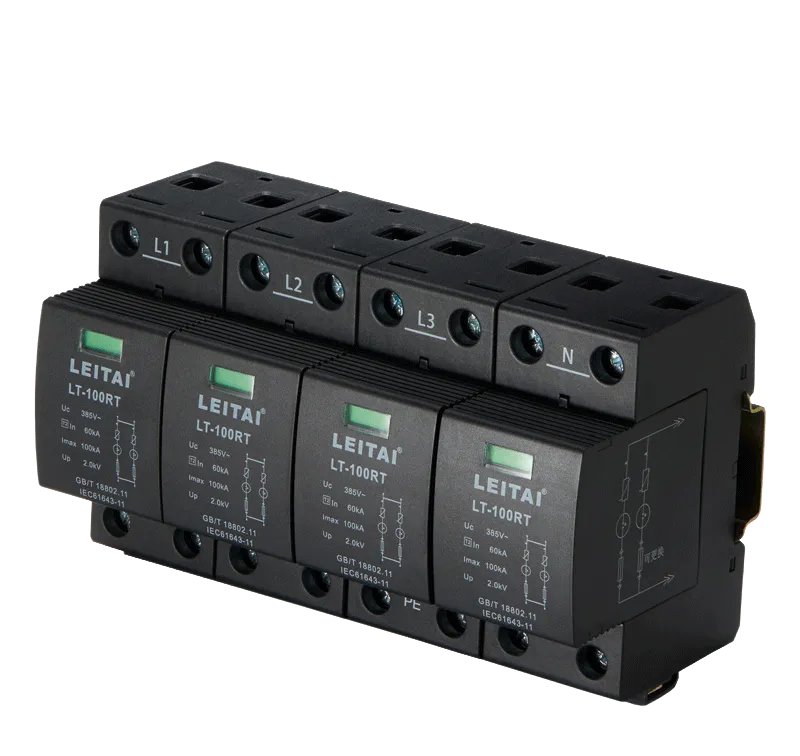
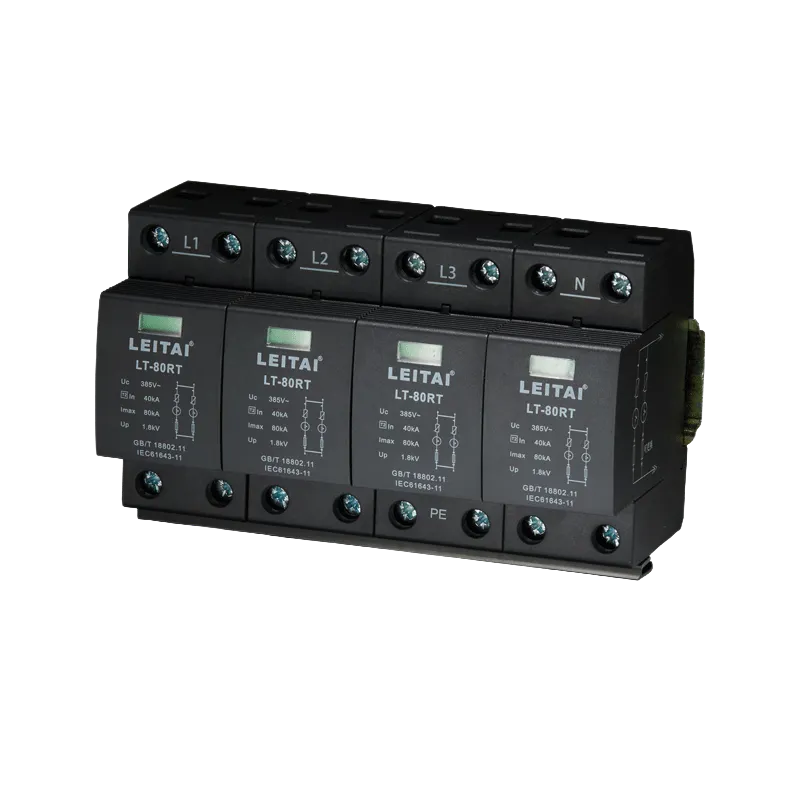
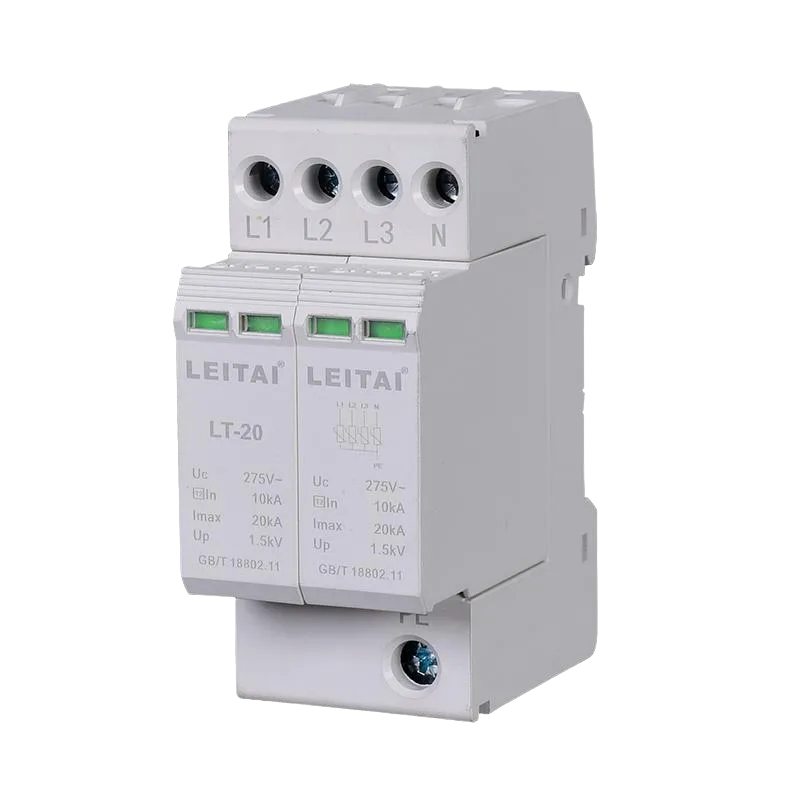
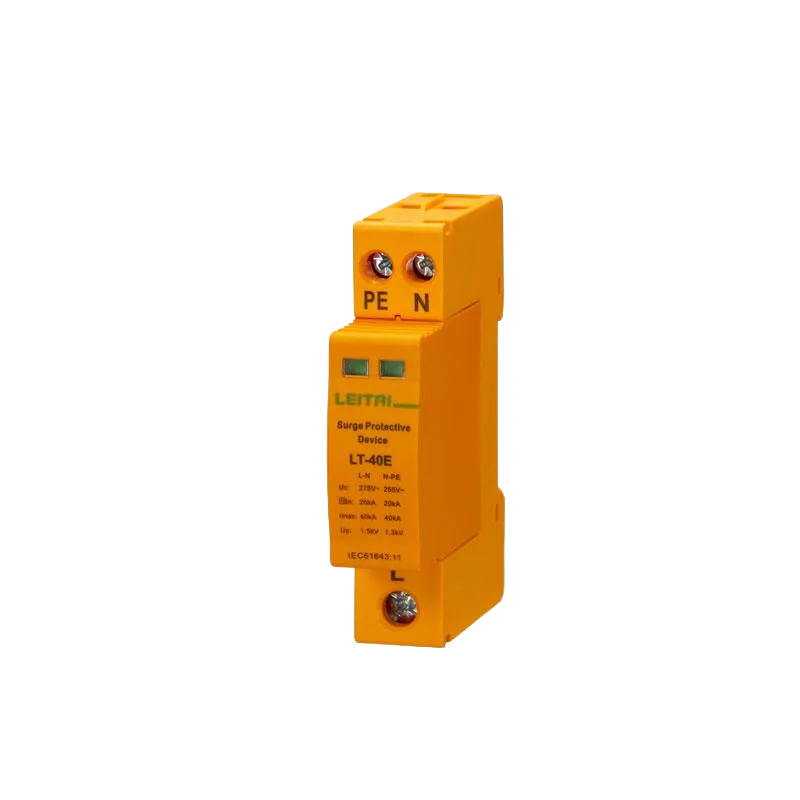
| Related models | LT-20 (10/20kA, same body), LT-40N, LT-40GX low-Up, LT-40 slim with remote signal |
Reading the LT-40 specification
Two figures decide most LT-40 specifications. Uc sets the maximum continuous voltage the varistor sees — 275V for a 230/400V TN system, 385V where voltage tolerance or harmonic distortion runs higher, and 440V for 480V networks. Up is what the protected equipment actually experiences: 1.4kV at 275V Uc, rising to 2.2kV at 440V, so a board feeding sensitive electronics should stay at the lower Uc code even where the nominal system voltage would allow the higher one.
In and Imax are read together. In — 20kA here — is the current the device can discharge twenty times without losing its characteristics, and it is the figure specifications are written against. Imax — 40kA — is the single-shot capability, the largest surge it survives once. A schedule that quotes only Imax tells you the upper limit, not the working rating.
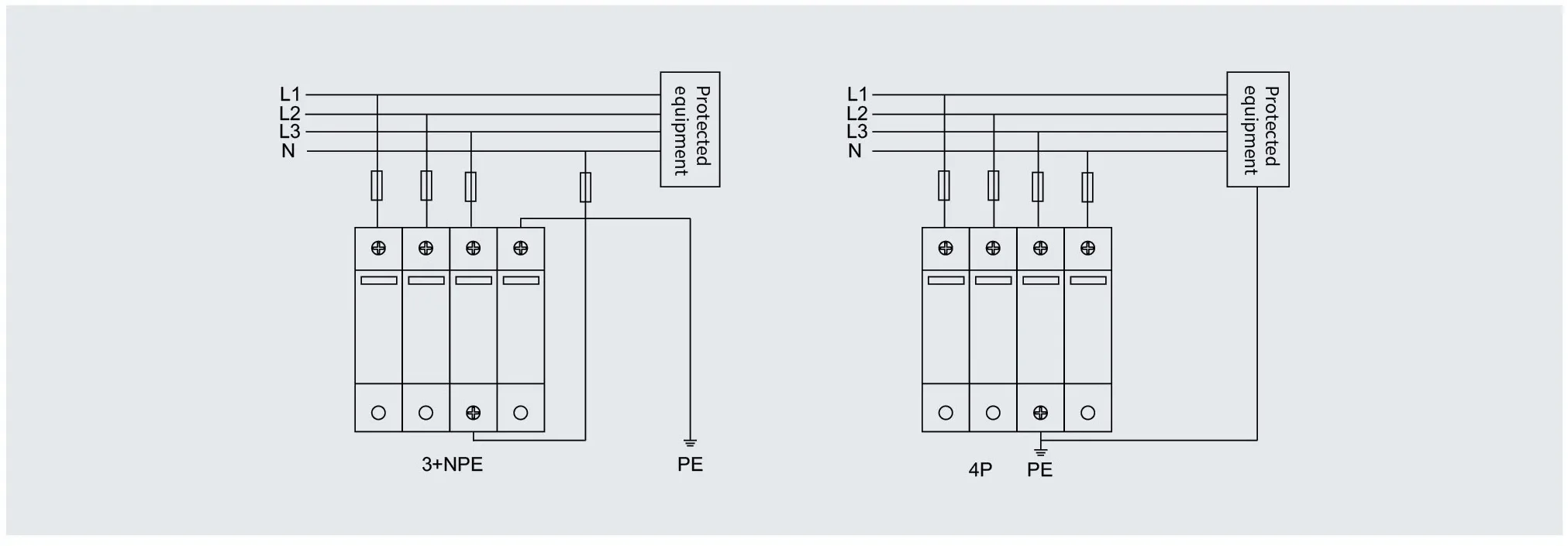
Wiring Diagram & Connection
Because the LT-40 uses the same 18 mm shell as the LT-20, a 3+NPE bank of LT-40 units replaces an LT-20 bank on the same rail length and keeps the existing busbar drilling. Only the incoming tails change size.
LT-40 — The Device the Rest of the Board Is Designed Around
Most panel drawings that call for surge protection start from this rating. Twenty kiloamps nominal sits above the level where a varistor is working at its comfortable limit and below the level where the module grows wider than the breaker beside it, and 40kA maximum leaves headroom for the occasional large transient without pushing the residual voltage up.
The practical detail buyers notice later is the base height. Because the SPD is normally fitted directly beside the outgoing MCBs and fed from the same comb, a device that sits 10mm proud of its neighbours makes the cover plate fit badly and the terminal shroud awkward to close. Three heights solve that, and we keep all three in the same tool so a project can change height without changing the line item.
Factory-Direct OEM / ODM Manufacturer
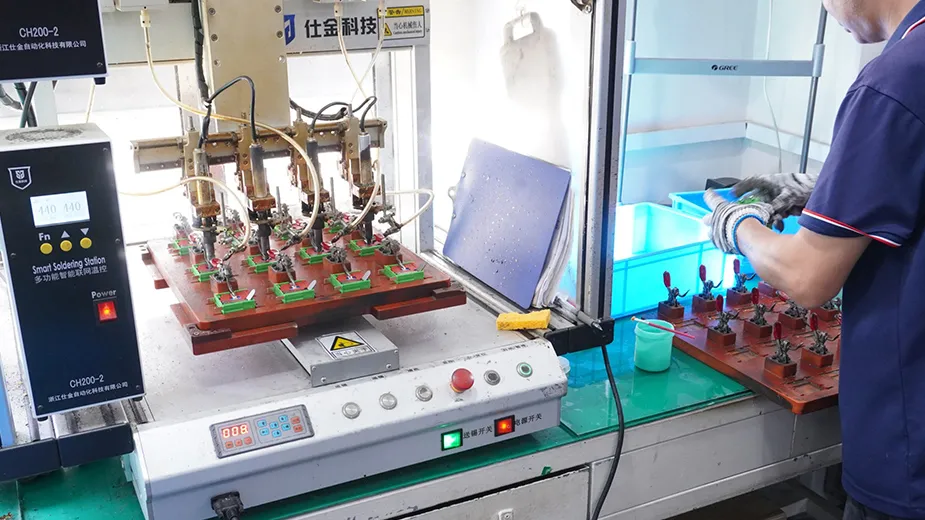
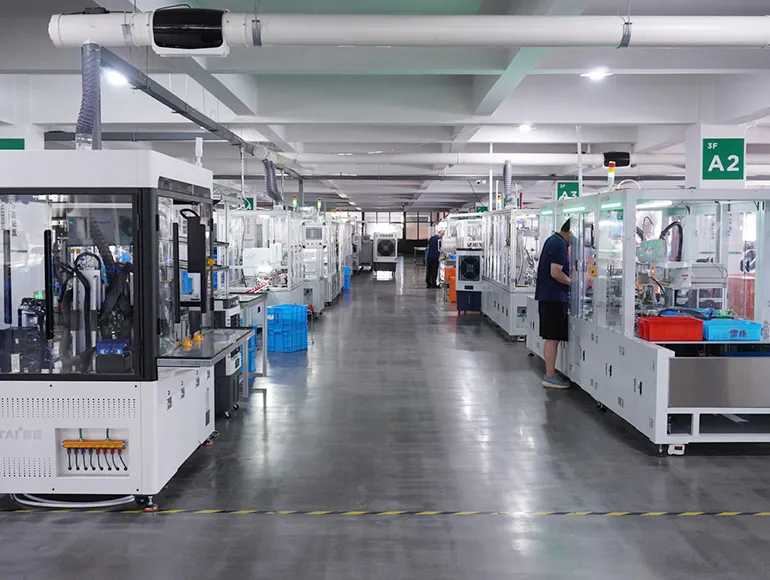
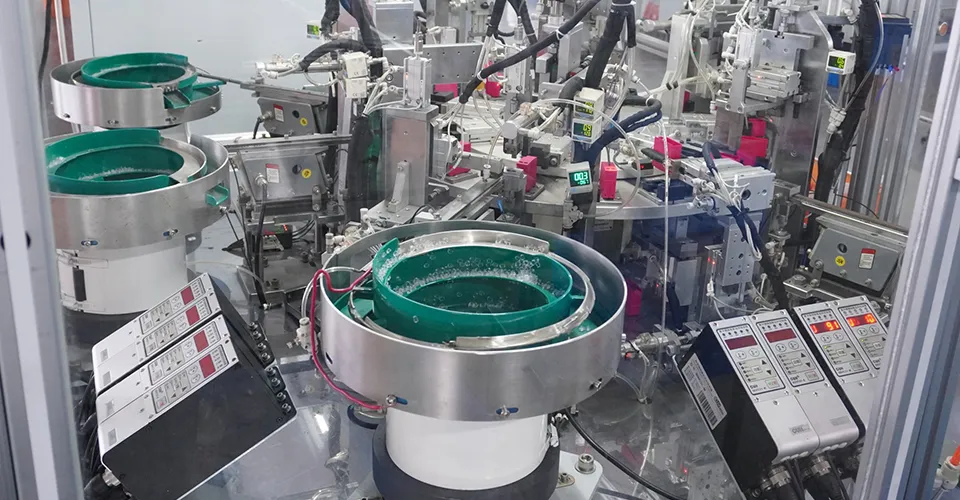
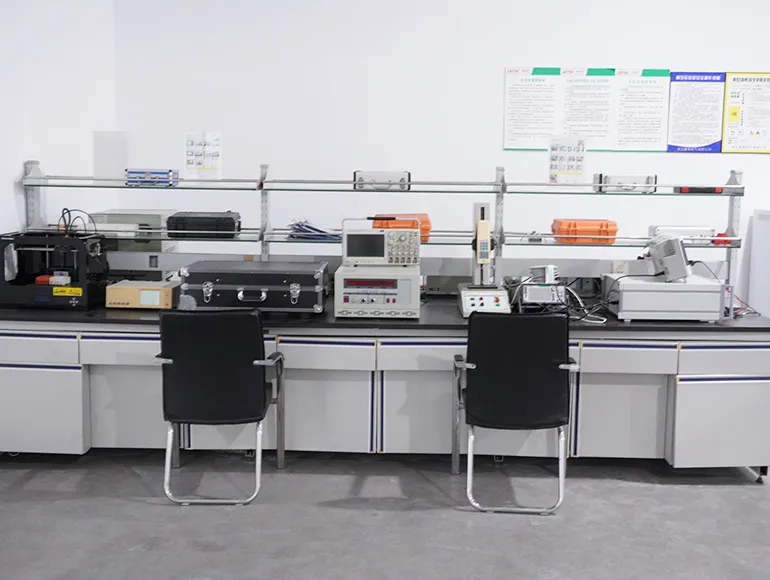
From Mould to Carton, Under One Roof
Liushi, Zhejiang · fully automatic SPD line · OEM, ODM and wholesale
Choices that normally need a tooling investment — a different housing colour, an extra pole, a longer terminal shroud — are routine here because the machine shop, the moulding area and the assembly line are on the same site. That is the practical difference between buying from the plant and buying from a catalogue. See Type 2 SPD range for the models this platform covers.
- In-house moulds — new cavities cut and proven without an outside toolmaker.
- Assembly — semi-automatic cells keep torque and fit consistent across a batch.
- Quality gate — incoming varistors are graded before they reach the assembly line.
- Export packing — cartons, labels and pallet marks prepared to the destination market.
Buying Guide
This is the sizing route we use when a customer’s board schedule only says ‘Type 2 SPD, 40kA’ and leaves the details open.
- Read the prospective short-circuit current at the board; it sets the rating of the backup device, not the SPD itself.
- Choose the Uc code from the system voltage and the highest sustained overvoltage the site is likely to see.
- Pick the pole layout to match the conductors terminated at the board, remembering that N-PE protection needs its own module in TT systems.
- Measure the depth of the adjacent breakers and specify the 90, 83 or 79mm base to match.
- Fix the earth lead route before drilling: every extra centimetre of lead length adds to the voltage the load actually sees.
Where the LT-40 is the wrong choice
The LT-40 is not the right device at a service entrance with an external lightning protection system, where a Type 1 unit with a 10/350 Iimp rating is required — the LT-X15 or LT-X30 covers that position. Nor does it replace Type 3 protection at the equipment: a 40kA Type 2 device at the sub-board still leaves a let-through voltage that sensitive electronics may not tolerate, which is what the LT-10C addresses at the terminal circuit. Where cabinet depth is the constraint rather than rail width, the slim 18mm version or the double-deck LT-40N will fit where this body will not.
How We Support Your Business
OEM / ODM
Private-label programmes run on the same type-tested platform, so a rebranded unit keeps the ratings, curves and approvals of the original.
Type-tested base · Rebranding · Carton design

Wholesale
Container planning, mixed pallets and consistent batch quality for wholesalers supplying panel builders and contractors.
Container plan · Mixed pallets · Batch records
Distributor Support
Priority production slots and a named account contact for partners promoting the range at trade shows and in tender work.
Priority slots · Named contact · Tender files
Ready to Order the LT-40?
Give us the board voltage, the pole arrangement and the breaker family beside it, and we will quote the LT-40 codes with the matching base height, backup protection and a test report reference for your technical file.
Frequently Asked Questions
What is a 40kA Type 2 SPD used for?
A 40kA Type 2 SPD protects main and sub-main boards against induced surges rather than direct strikes. It is fitted downstream of a Type 1 device, or alone where the building has no lightning protection system and the service entry is not especially exposed — a single LT-40 at the main board is a common and accepted design.
How do I choose between 275V and 385V Uc?
Match Uc to the highest sustained voltage the board can see, not the nominal figure. 275V suits a stable 230/400V TN supply, 385V is safer where the supply runs high or carries harmonics, and 440V is for 480V networks. A higher Uc raises Up, so do not step up without a reason.
Does a Type 2 SPD need a backup fuse?
Yes wherever the upstream device exceeds the SPD’s rated withstand. The LT-SSD80 covers 60–80kA arresters; below that the board’s own MCB often serves, but the coordination still has to be checked against the prospective short-circuit current and the let-through curve.
Why does the LT-40 come in three base heights?
So the front face of the surge protector lines up with the miniature circuit breakers on the same rail. Different breaker families have different depths, and a level stack keeps the busbar comb and cover plate fitting properly.
Is a four-pole version needed for a three-phase board?
If the board is four-wire and the neutral is distributed, yes — the 3P+NPE arrangement protects phase-to-neutral and neutral-to-earth paths separately. A three-pole device leaves the N-PE path unprotected, which matters in TT systems.
How is the device replaced at end of life?
On the standard LT-40 the module is a fixed assembly with an integrated thermal disconnector, so the unit is exchanged as a whole. Where live replacement matters, specify the plug-in RT version or the slim LT-40 with a replaceable cartridge.
Do you supply test reports for type testing?
Type test reports to IEC 61643-11 and routine test records for the delivered batch are available with the shipment. Ask for them at quotation stage so the file reference matches the batch you receive.



Reviews
There are no reviews yet.