

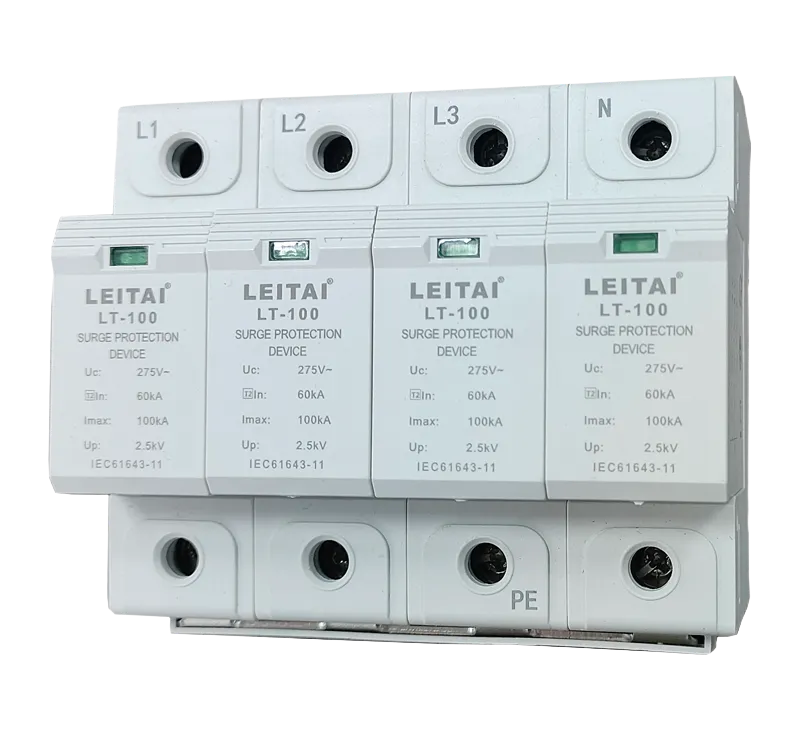
The LT-100 is a 3 phase surge protector rated 100kA, built in a wide body for main switchboards with In 60kA and Imax 100kA. The body grows at this rating because the element stack no longer fits the standard width, and it is specified at intakes with short feeders, large transformers or project-level fault currents.
3 Phase Surge Protector 100kA for Main Switchboards
The Point Where the Body Has to Grow
Beyond 80kA the varistor stack no longer fits the narrow moulding, so the LT-100 steps to a 36mm module. That doubles the rail space per pole and it is the honest trade for a device that can absorb 100kA in a single impulse without changing its characteristics.
For Short Feeders and Large Transformers
The energy that arrives at a board is a function of how exposed the incoming cable is and how stiff the supply is, not of the size of the building behind it. A compact industrial unit with a close transformer and a short service cable can present a harder duty than a larger building fed through several hundred metres of cable.
Residual Voltage Budgeted for Stage Two
Three kilovolts is a high clamping level, and that is expected here: this device removes the bulk of the energy at the origin, and a 20kA or 40kA device downstream brings the let-through voltage to a level electronics can tolerate. Specifying this unit alone in front of sensitive equipment would be a misreading of its role.
Built for Panel Builders and Project Stock
The wide body is supplied on standard DIN rail with full front access to the terminals, so it fits the same assembly sequence as the rest of the board. Documentation, dimension drawings and test records are ready for tender submission.
Specifications
| Series | LT-100 wide body AC surge protective device |
|---|---|
| IEC classification | Type 2 / Class II, tested to IEC 61643-11 |
| Maximum continuous voltage Uc | 385 / 440 VAC |
| Nominal discharge current In | 60 kA (8/20 µs) |
| Maximum discharge current Imax | 100 kA (8/20 µs) |
| Voltage protection level Up | ≤3.0 kV |
| Configurations | 1P, 2P, 3P, 4P |
| Module width | 36mm per pole — 36 / 72 / 108 / 144mm total |
| Mounting | 35mm DIN rail to EN 60715, front terminal access |
| Status | indicator per pole, thermal disconnector |
| Positioning | main distribution board, first stage of Type 2 protection |
| Related models | LT-160 (same width, 100/160kA), LT-80 (narrower body, 40/80kA) |
Reading the LT-100 specification
This is the point in the range where physical width changes, and that has a practical consequence: the device no longer drops into the rail space left by a 40kA unit, so it has to be planned at drawing stage rather than added later. In 60kA and Imax 100kA are the two ratings; Up is 3.0kV, which is a first-stage figure.
Because the residual voltage is high, the design normally pairs this device with a lower-Up Type 2 unit downstream rather than relying on it alone. That is the same staged logic used at the service entrance, applied one level down.
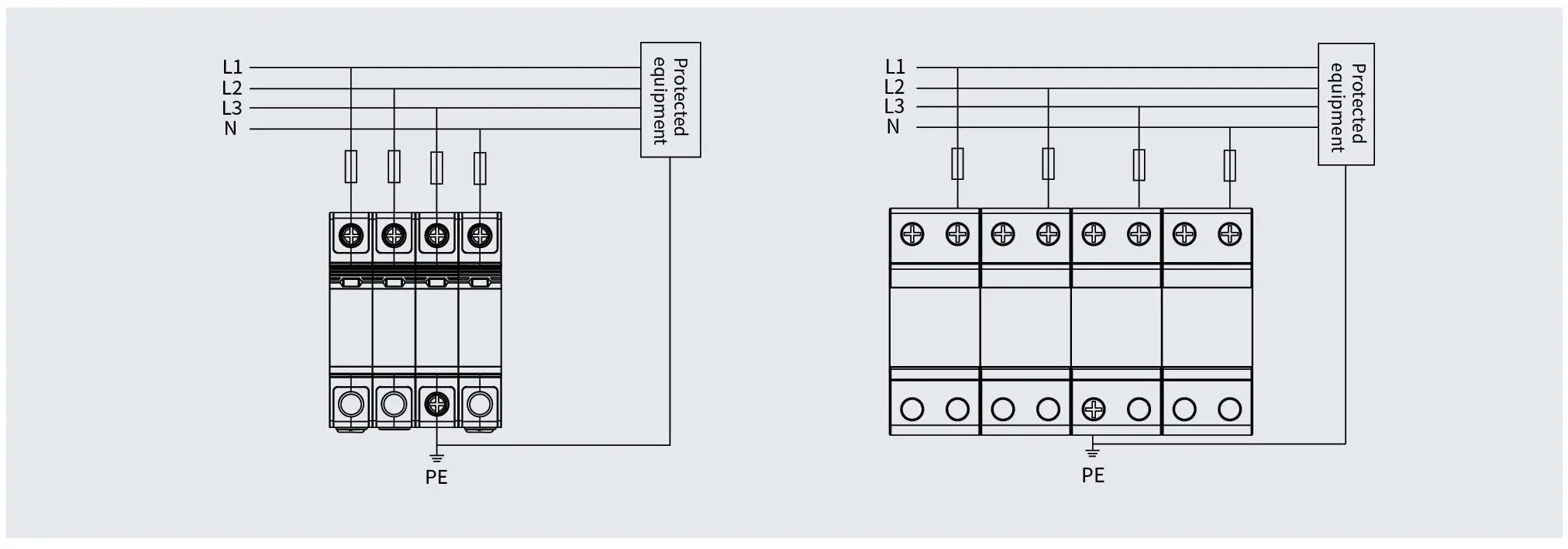
Wiring Diagram & Connection
At 144 mm across four poles the LT-100 will not fit between breakers, so it is normally mounted on a dedicated bracket at the top of the switchboard and fed straight from the main busbar with short copper links.
LT-100 — When Double Rail Space Is the Right Answer
Panel builders tend to resist wide devices because rail space is the scarcest resource in a switchboard. That resistance is correct up to a point, and this rating is where it stops being correct: past 80kA the energy density in a narrow moulding would either shorten the varistor’s life or force a stacking arrangement that changes the terminal geometry.
The practical consequence is that a 4P LT-100 occupies 144mm rather than 72mm, which has to be planned at the layout stage rather than discovered during assembly. In exchange, the board gets a first stage that survives repeated high-energy events and holds its clamping characteristics over the service life of the installation, which is what the second stage downstream depends on.
Factory-Direct OEM / ODM Manufacturer
Built Here, Labelled for You
Injection moulding · varistor grading · 100% routine test · private label
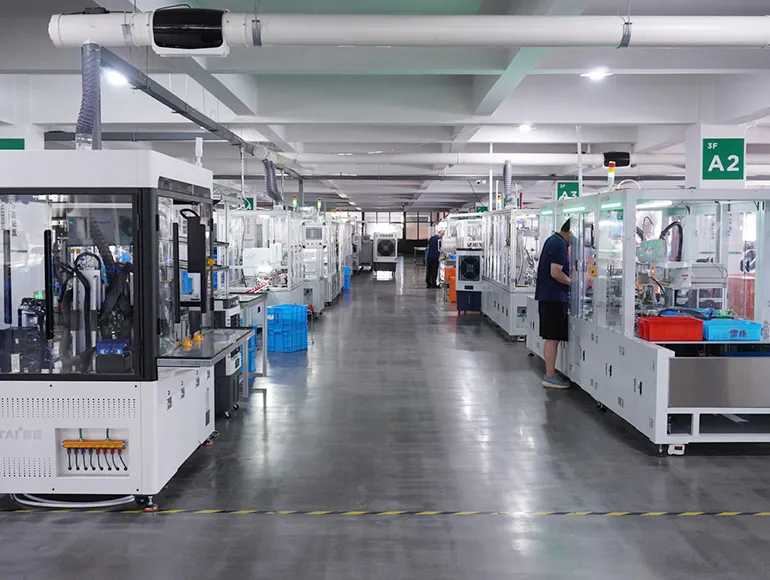
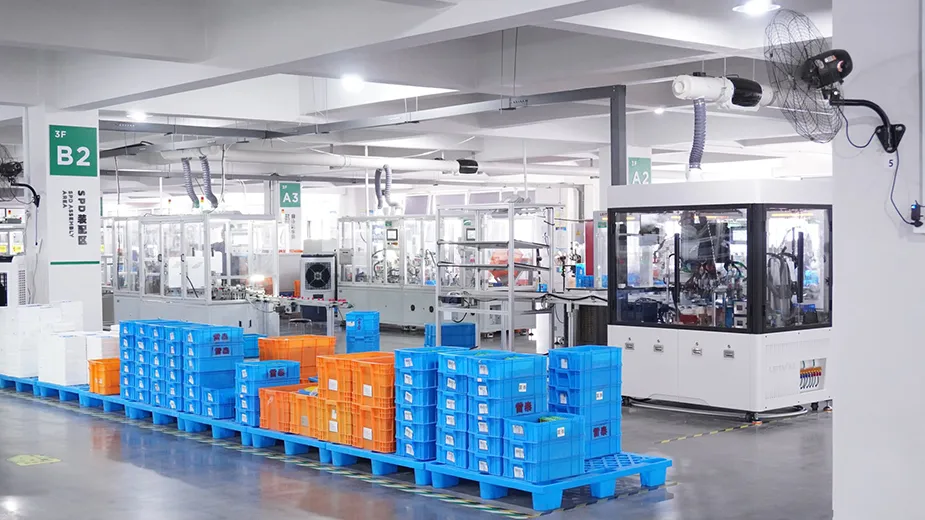
Because the mould, the varistor grading bench and the impulse generator all belong to the same company, a private-label run does not depend on a third party agreeing to change a tool. Tell us the model designation you sell under and we print, pack and test to that name. More configurations are listed under Type 2 SPD range.
- Private label — your brand on the front, your reference on the side, your language in the manual.
- Custom build — voltage window, pole layout, alarm contact and packaging format are open to change.
- Traceability — each carton carries the batch number that links back to its test record.
- Lead time — confirmed against the actual production schedule when the order is placed.
Buying Guide
- Reserve 144mm of rail for a four-pole unit, plus clearance for the incoming leads and the earth return.
- Confirm the fault level at the main board so the backup protection is rated correctly for this device.
- Select 385V or 440V according to the system and any sustained overvoltage expected on site.
- Plan the second stage at sub-main or floor level and check the cable length between the two stages.
- Ask for the dimension drawing before the enclosure is fabricated; the depth of the wide body affects door clearance.
Where the LT-100 is the wrong choice
It is oversized for a sub-distribution board and will not fit where a 40kA device was planned. Where the intake is a normal commercial supply, the LT-80 or the 40kA range covers the duty. It is also not terminal protection: 3.0kV still needs reducing before sensitive loads.
How We Support Your Business
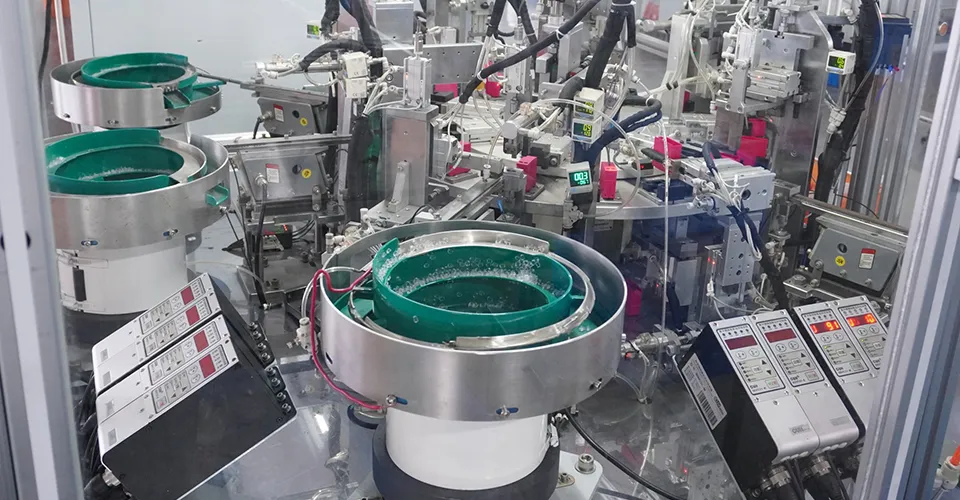
OEM / ODM
Send a drawing and we return a sample: pole count, voltage window, terminal style, marking and packaging are all open to change.
Sample first · Drawing to part · Own marking
Wholesale
Tiered pricing across the SPD range with flexible quantities per model, so a wholesaler can test a market before committing to a container.
Tiered pricing · Flexible qty · Test orders

Distributor Support
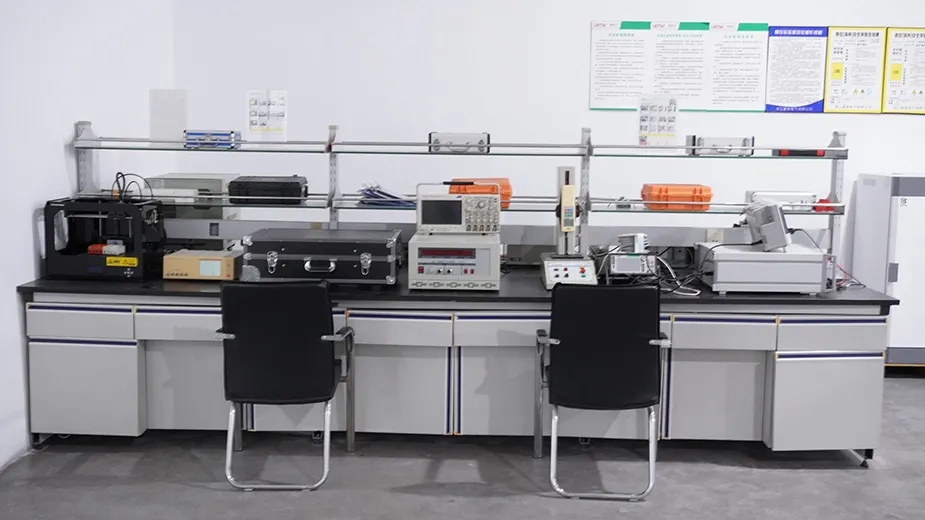
Application advice for local earthing systems, plus the test evidence needed to satisfy inspectors and consultants.
Application help · Test evidence · Inspections
Ready to Order the LT-100?
For main board projects, send the single-line diagram and the fault level and we will return the LT-100 configuration, the backup protection rating and the dimension drawing for your enclosure.
Frequently Asked Questions
When is a 100kA SPD needed?
At main switchboards with short feeders, large upstream transformers or a high prospective fault current, where the energy arriving at the board exceeds what an 80kA device should absorb.
Why is the body wider?
The element stack for 60kA In does not fit the standard module width, so the housing grows. That means the rail space has to be planned at drawing stage.
Is 3.0kV Up acceptable?
As a first-stage figure, yes, provided a lower-Up Type 2 device follows downstream. It is not a level that electronic loads can tolerate directly.
Does the wide body fit standard DIN rail?
Yes, it mounts on 35mm rail to EN 60715 like the rest of the range. The difference is the width along the rail and the depth behind the front cover.
Is a Type 1 device still needed upstream?
Where a lightning protection system exists or the supply is overhead and exposed, yes. This is a Type 2 device, so it handles induced and switching transients rather than the partial lightning current that a Type 1 device is tested for.
Do you supply these for project quantities with test documentation?
Yes. Volume orders ship with batch test records, type test report references and declarations for the destination market. Ask at quotation stage so the paperwork matches the delivery.


Reviews
There are no reviews yet.