

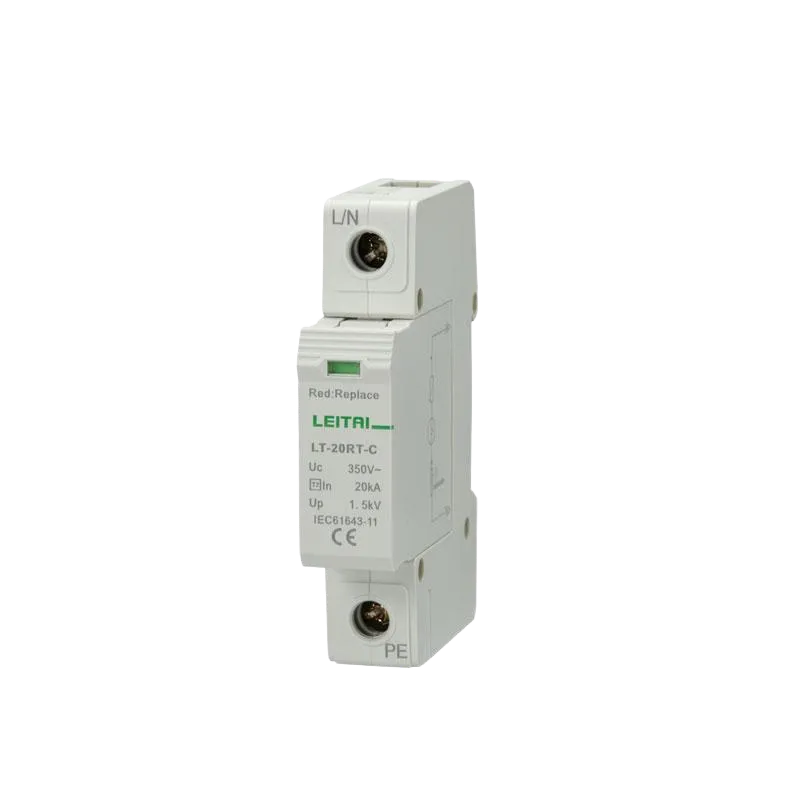
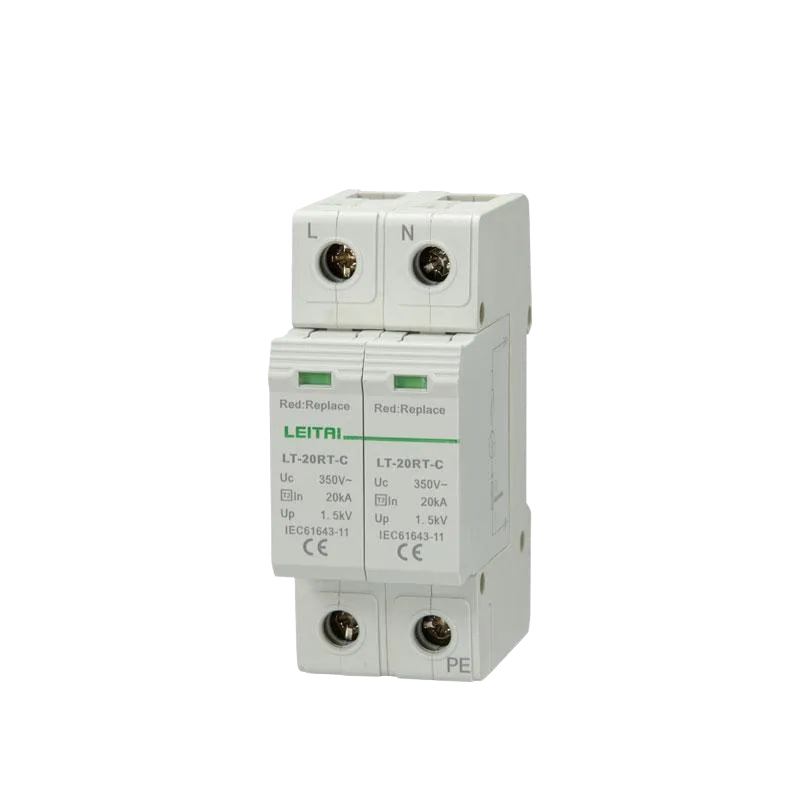
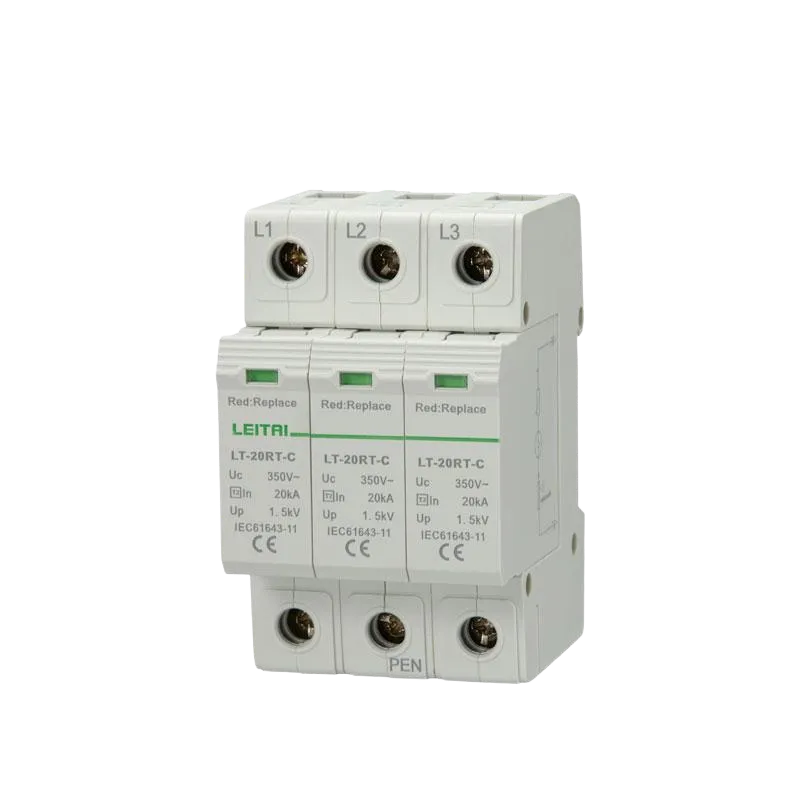
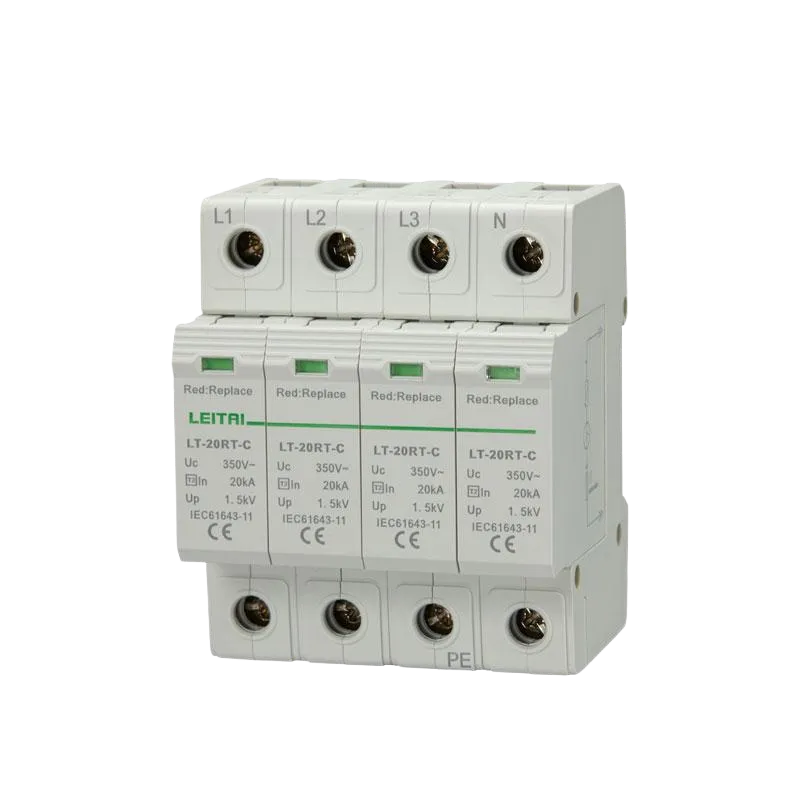
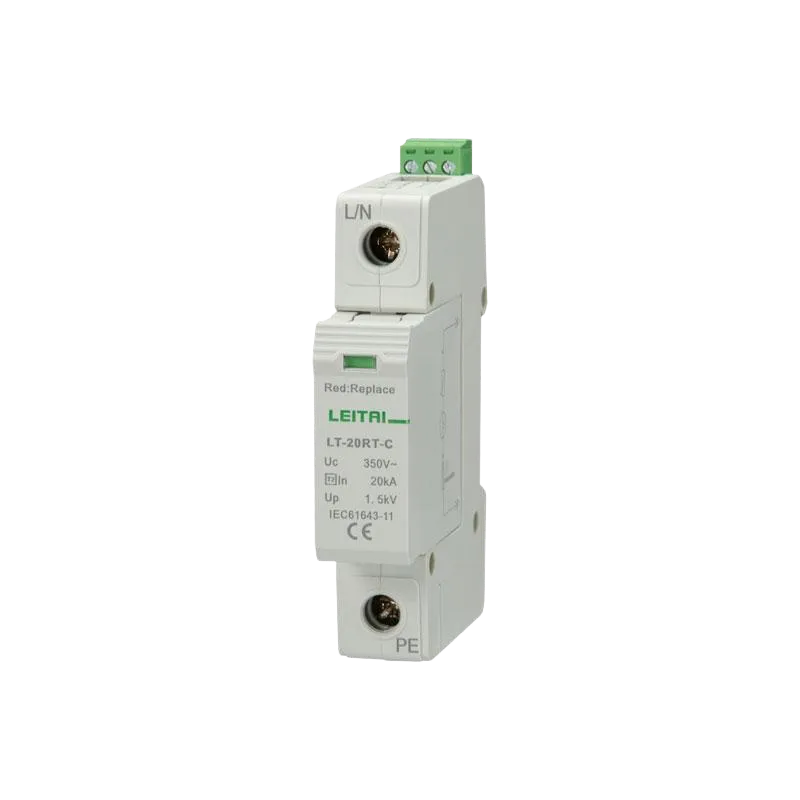
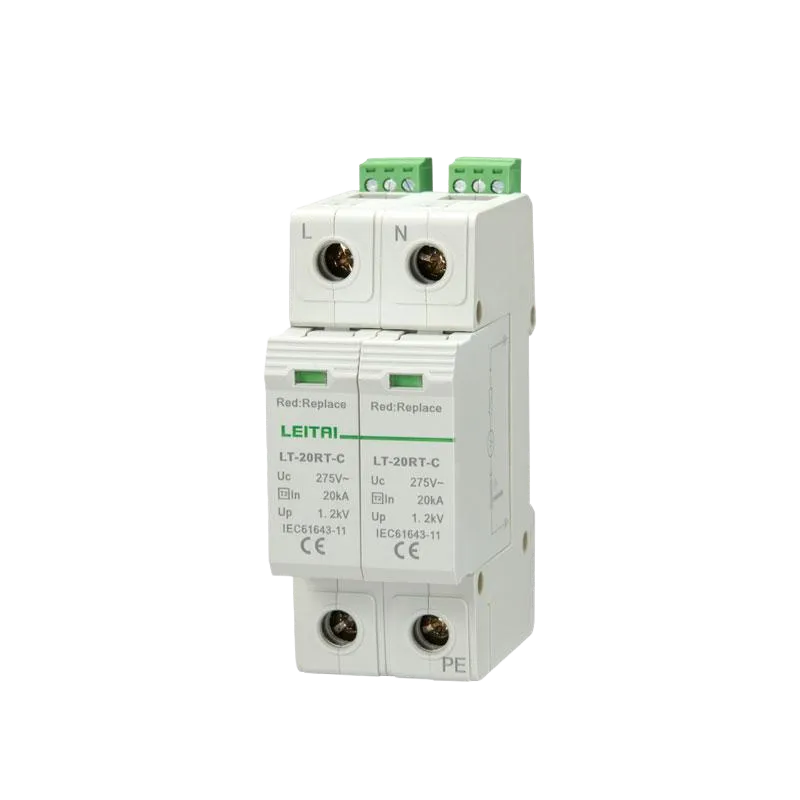
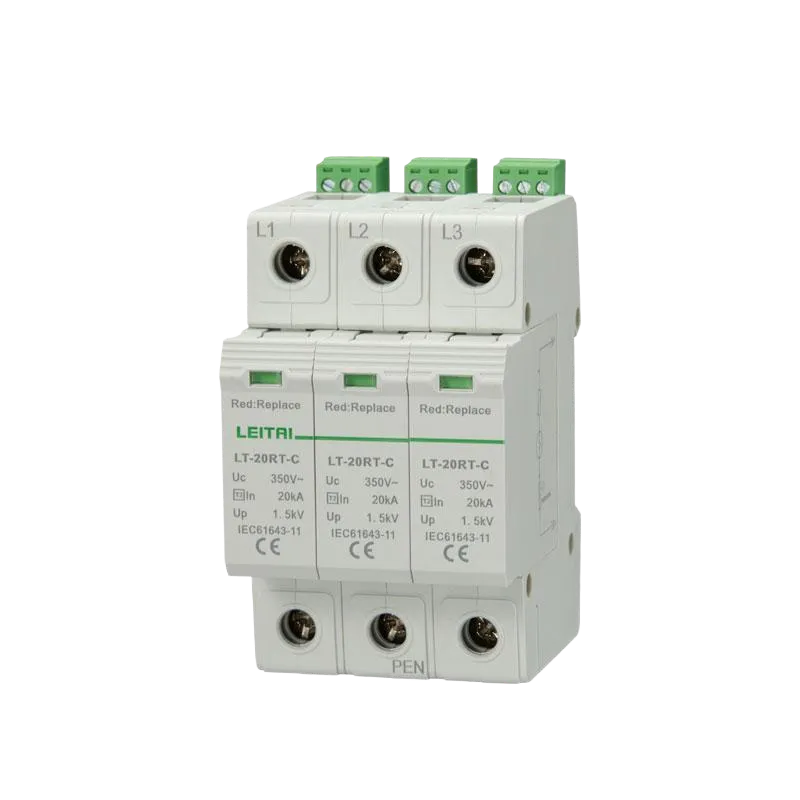
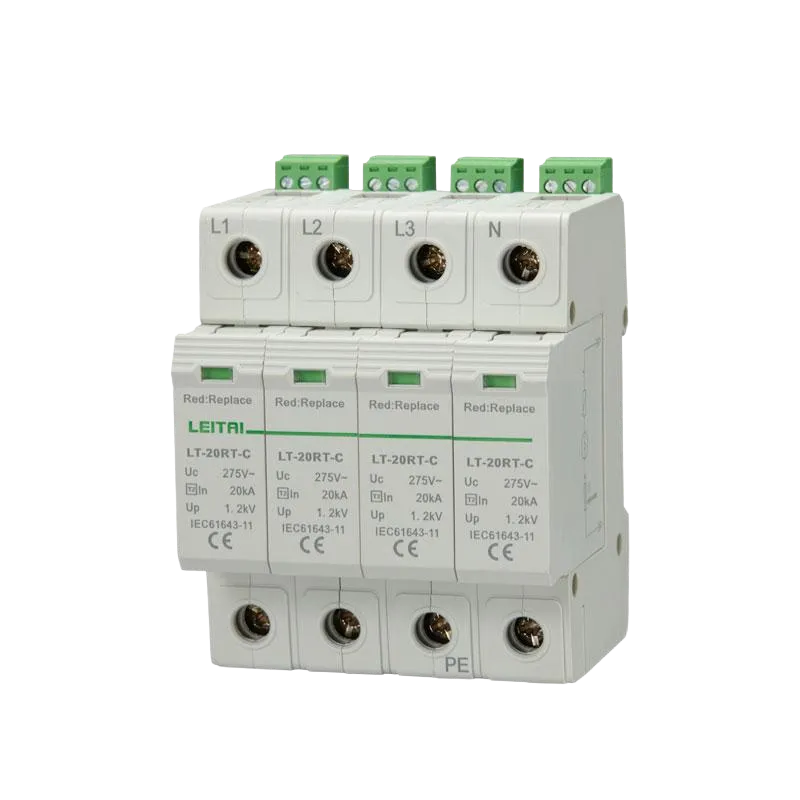
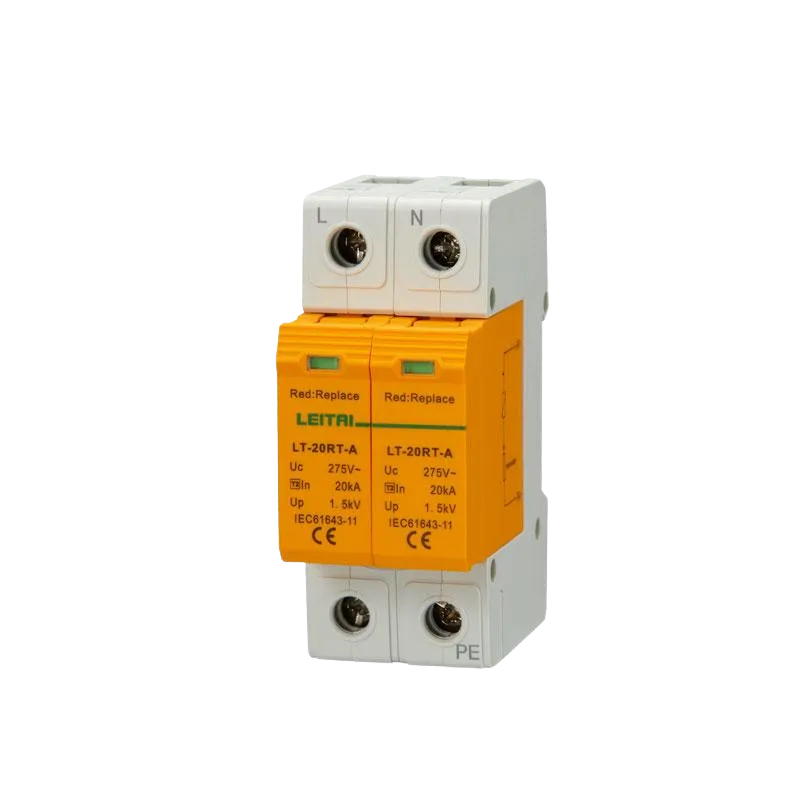
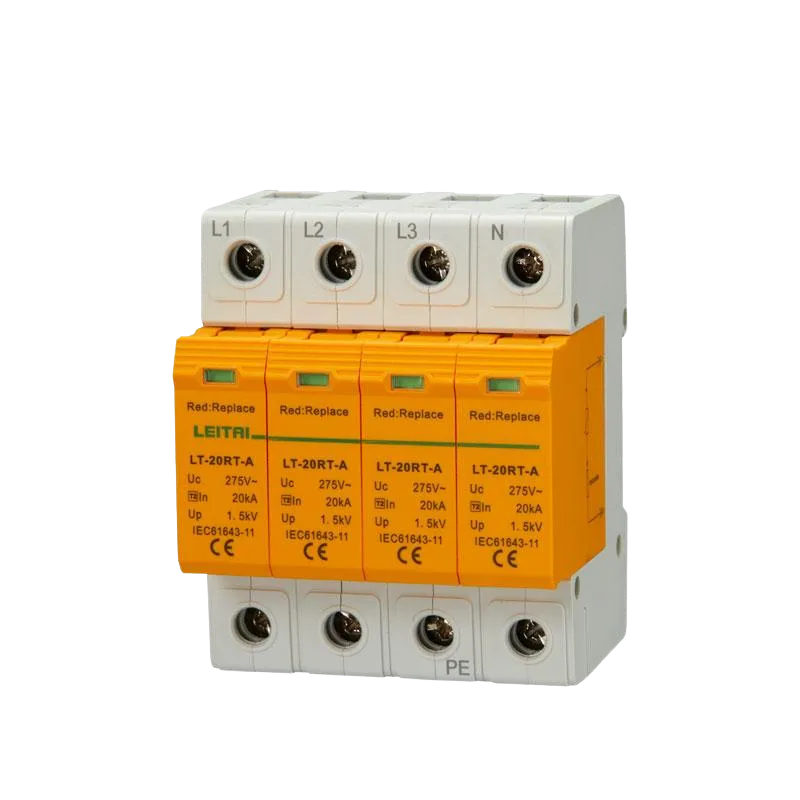
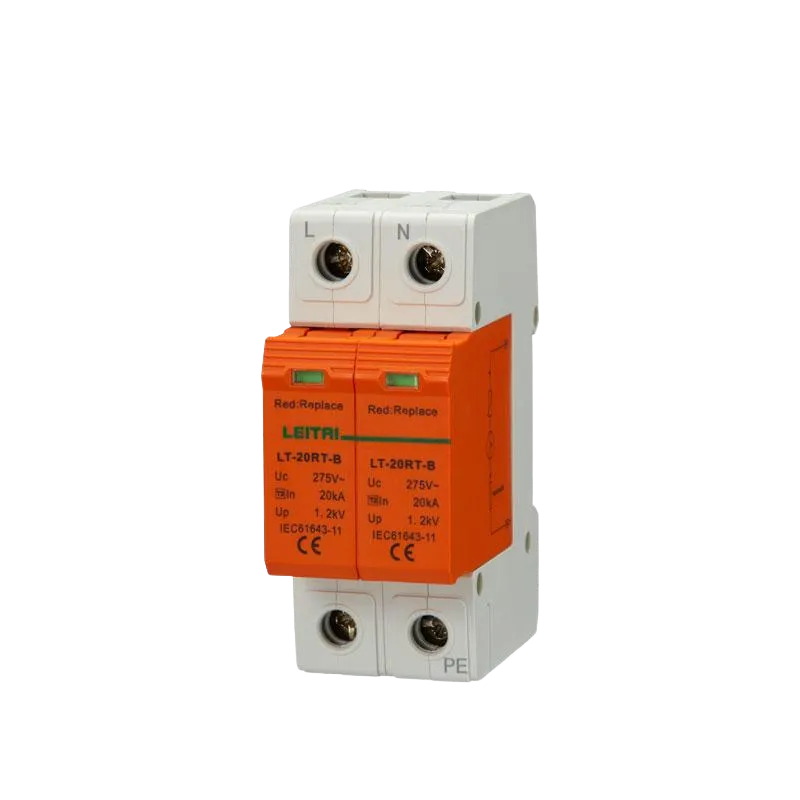
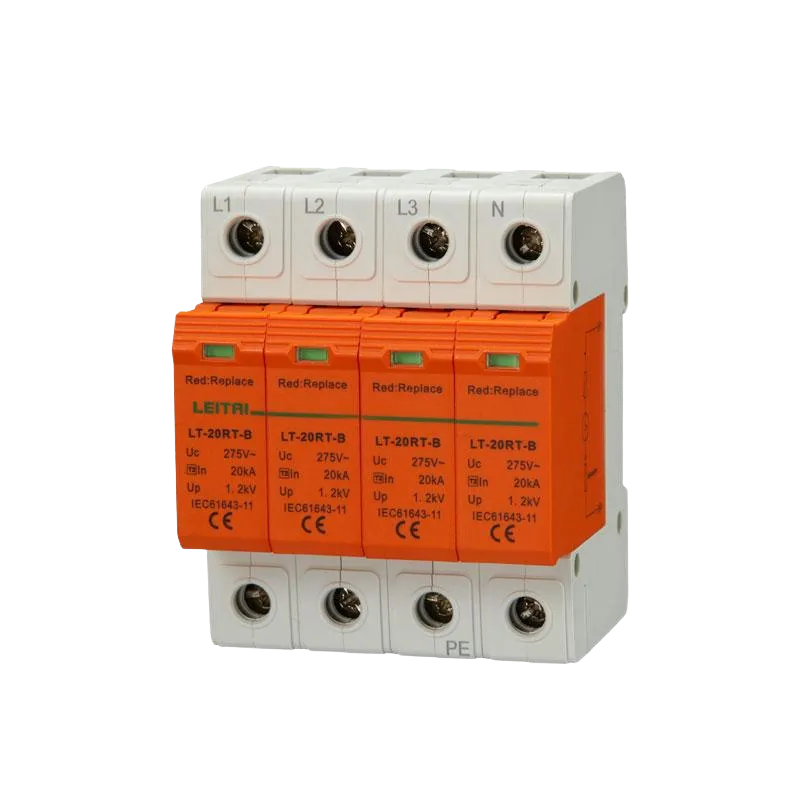
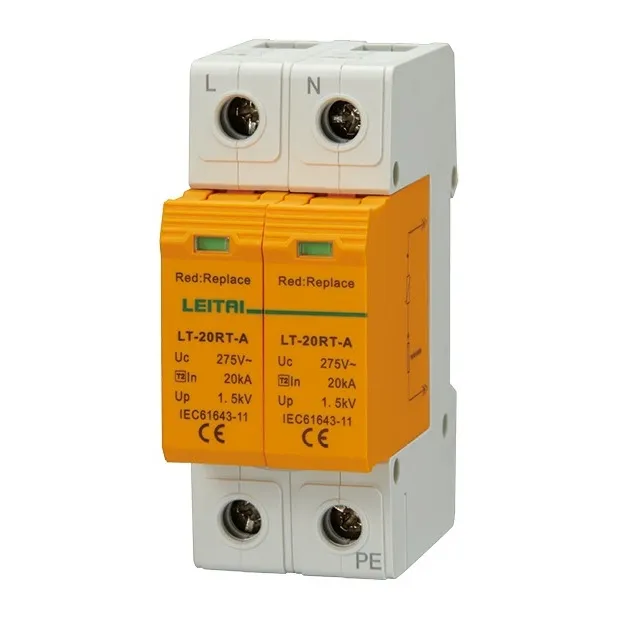
The LT-20RT is a 20kA plug-in surge protector with an internal fuse, designed for service entries where the protective module has to be changed without isolating the board. It is a Type 2 device with Up from 1.2kV on the 275V code, and the fused envelope removes the separate backup device in many small installations.
Surge Protector Plug-In 20kA for Service Entries
Three Structures, One Specification
The A, B and C variants differ in base and fuse arrangement, not in electrical performance: all are 20kA nominal with the same protection level range. That lets a project match the physical constraint of an existing cabinet, such as a busbar on one side or a door hinge on the other, without reopening the electrical design.
A Fuse Inside the Envelope
Putting the fuse inside the device rather than beside it does two things: it shortens the current path that matters during a fault, and it removes an external component from the panel schedule. The fuse remains replaceable, so the device is not scrapped when it operates.
Service Access Without Rewiring
The fuse holder is reached from the front with the terminal wiring left in place. In a station board that is maintained on a schedule rather than on failure, that difference turns a half-hour job into a few minutes and encourages the maintenance to actually happen.
Suited to Repetitive Transient Environments
Traction auxiliary supplies and station boards see frequent small transients from switching. Devices that are fused and repairable suit that pattern better than sealed units, because the cost of keeping protection in service is a fuse rather than an assembly.
Specifications
| Series | LT-20RT fused Type 2 surge protective device |
|---|---|
| IEC classification | Type 2 / Class II, tested to IEC 61643-11 |
| Maximum continuous voltage Uc | 275 / 320 / 385 / 440 VAC; 350 VAC on C variant |
| Nominal discharge current In | 20 kA (8/20 µs) |
| Voltage protection level Up | 1.2 / 1.4 / 1.5 / 1.8 kV by voltage code |
| Internal protection | thermal disconnector with replaceable fuse |
| Structures | A, B, C base and fuse arrangements |
| Configurations | 1P, 2P, 3P, 4P |
| Mounting | 35mm DIN rail to EN 60715 |
| Optional | remote signal contact on selected models |
| Related models | LT-X15RT (combined Type 1+2), LT-40 standard Type 2 |
Reading the LT-20RT specification
The plug-in format is the point. In a service entry that is visited regularly, replacing a fixed module means isolating the board and removing wiring; a cartridge exchange takes a minute and does not disturb the terminals. The internal fuse covers the backup function that would otherwise be a separate line item.
Up runs from 1.2kV at 275V to 1.8kV at 440V, and the C variant takes a 350V Uc for supplies that run high. The In rating is 20kA, which places it at the smaller end of the Type 2 range.
Wiring Diagram & Connection
The LT-20RT is a plug-in design: the base stays wired to the panel and only the cartridge is withdrawn for replacement. The diagram covers all three body styles, which differ in terminal geometry rather than in electrical connection.

LT-20RT — Designed to Be Repaired, Not Replaced
Most surge protectors are sealed units: when the element reaches end of life, the whole device comes out and a new one goes in. That is fine where protection fails once in ten years, and wasteful where the environment produces frequent transients and the fuse is the part that actually operates. This product is built for the second case.
The three structural variants exist because the fuse has to be reachable and the base has to fit. In practice a buyer looks at the cabinet, chooses A, B or C on the geometry, then confirms the voltage code for the protection level. That sequence matters: the electrical specification should not be compromised to fit a base, so we confirm both before the order is released.
Factory-Direct OEM / ODM Manufacturer
We Manufacture, You Brand
Module moulding in house · MOV selection and thermal parts · OEM branding
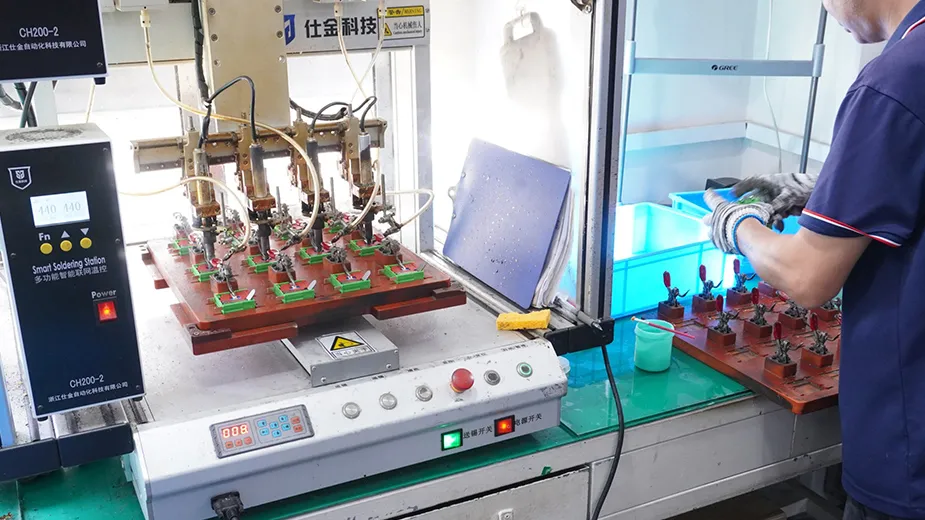
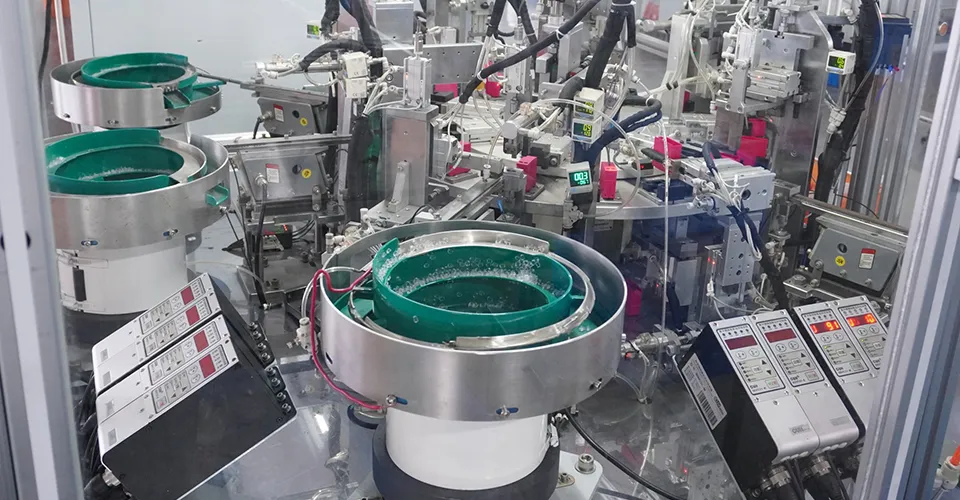
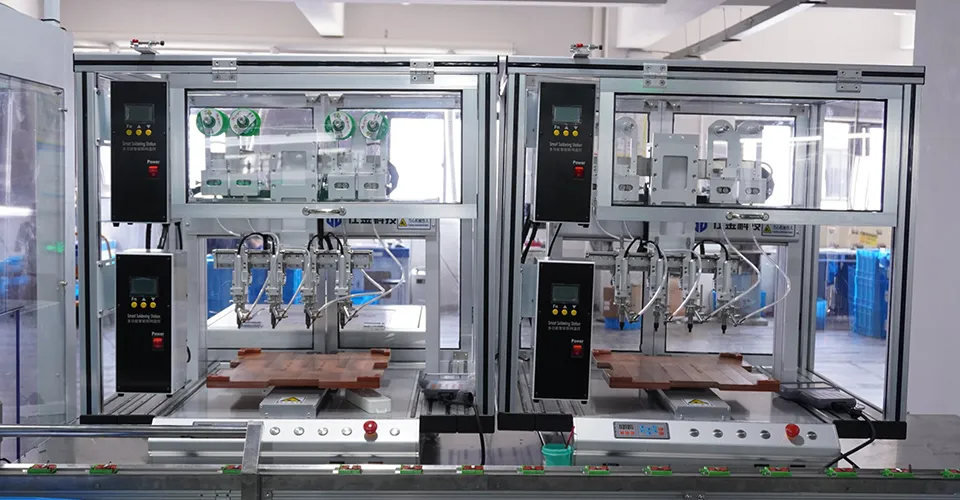
Every LT component on this page — housing, busbar, varistor stack and thermal disconnector — is produced and assembled at our own plant in Liushi, Zhejiang, which is why a special voltage, pole count or marking requirement costs you a production slot rather than a new supplier qualification. The full AC range sits on our Type 2 SPD range page.
- OEM branding — logo, model number and rating text printed on the module front and the carton.
- ODM options — housing colour, pole count, voltage window, remote-signal contact and retail packing.
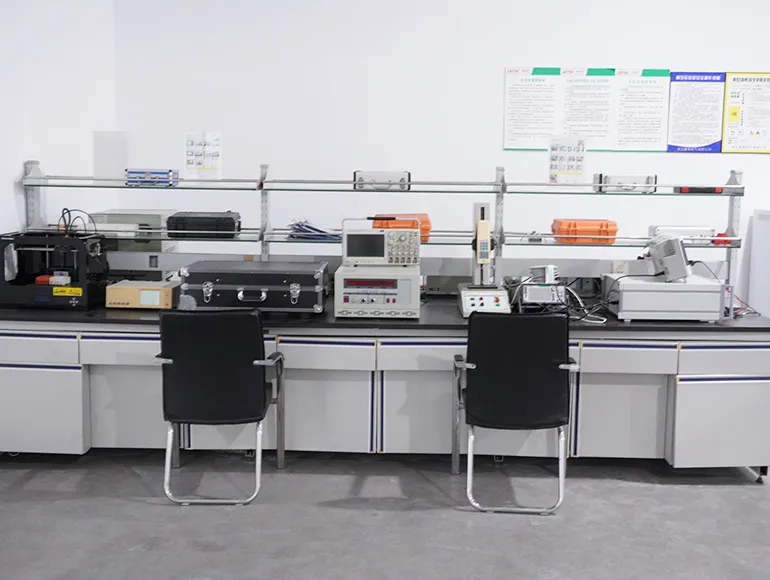
- Testing — residual voltage and thermal trip checked on every unit, records kept per batch.
- MOQ — quoted per configuration — mixed models can share one container.
Buying Guide
- Photograph or measure the cabinet to establish which base arrangement, A, B or C, will fit beside the existing devices.
- Confirm the supply voltage and choose the code that gives the required protection level.
- Check the pole arrangement against the earthing system of the auxiliary supply.
- Decide whether a remote signal contact is needed, since it changes the model reference.
- Add fuses and, where relevant, replacement cartridges to the spares list for the maintenance depot.
Where the LT-20RT is the wrong choice
It is not a high-energy device: at a main board with a stiff supply, the 40kA or 60kA range is required. Nor is the internal fuse a substitute for a properly coordinated backup device where the prospective fault current exceeds its rating — the coordination still has to be checked.
How We Support Your Business
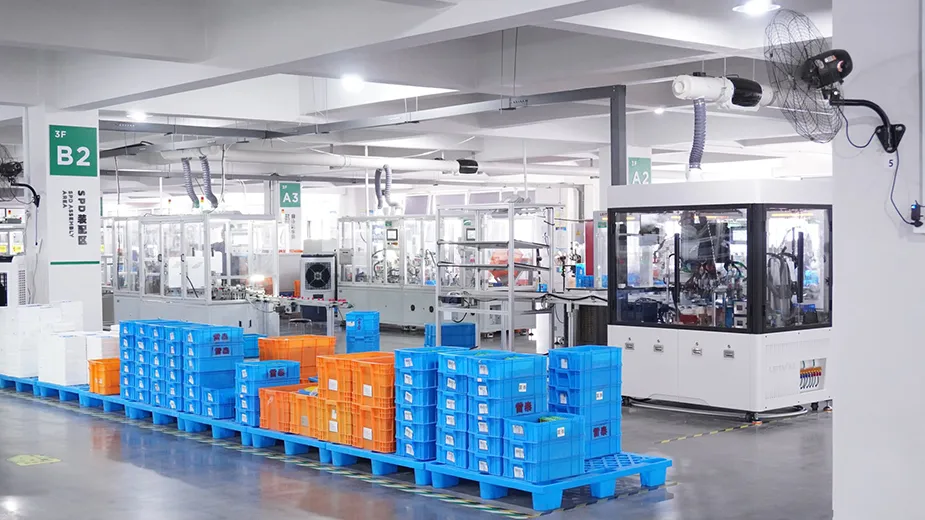
OEM / ODM
We print your brand on the module front and pack to your carton design; ODM covers new pole layouts, alternative voltage windows and signalling options.
Tooling in house · Branded packing · ODM design
Wholesale
Volume pricing on the whole LT range, with sample lots for tender packages and full containers for stock orders.
Bulk pricing · Samples · Firm lead times
Distributor Support
Technical files, selection curves and local standard guidance so your sales team can specify the right type on the first visit.
Datasheets · Selection help · Training
Ready to Order the LT-20RT?
Send a photo of the cabinet and the supply details and we will confirm which LT-20RT structure fits, with the voltage code and the fuse rating for your board.
Frequently Asked Questions
What is a plug-in SPD?
It is a device whose protective cartridge can be replaced from the front without disconnecting the wiring, which shortens maintenance and avoids isolating the board.
Does the internal fuse replace a backup fuse?
In many small installations it covers that function. Where the prospective fault current is higher, the coordination still has to be checked against the device rating.
What is the C variant for?
It takes a 350V Uc for supplies that run above the standard tolerance, such as sites with high sustained voltage.
Does the internal fuse replace the need for backup protection?
It provides the protective function within the device. The upstream device is still selected for the installation’s fault level, and we state the requirement for the specific board.
Can it be used outside rail applications?
Yes. Any installation where repairability and front access matter can use it, though the range is optimised for the maintenance patterns of traction and station boards.
How often should the fuse be checked?
At the same interval as the rest of the board’s protective devices. Because the fuse is the part that operates under repeated transients, a scheduled check keeps protection in service.



Reviews
There are no reviews yet.