

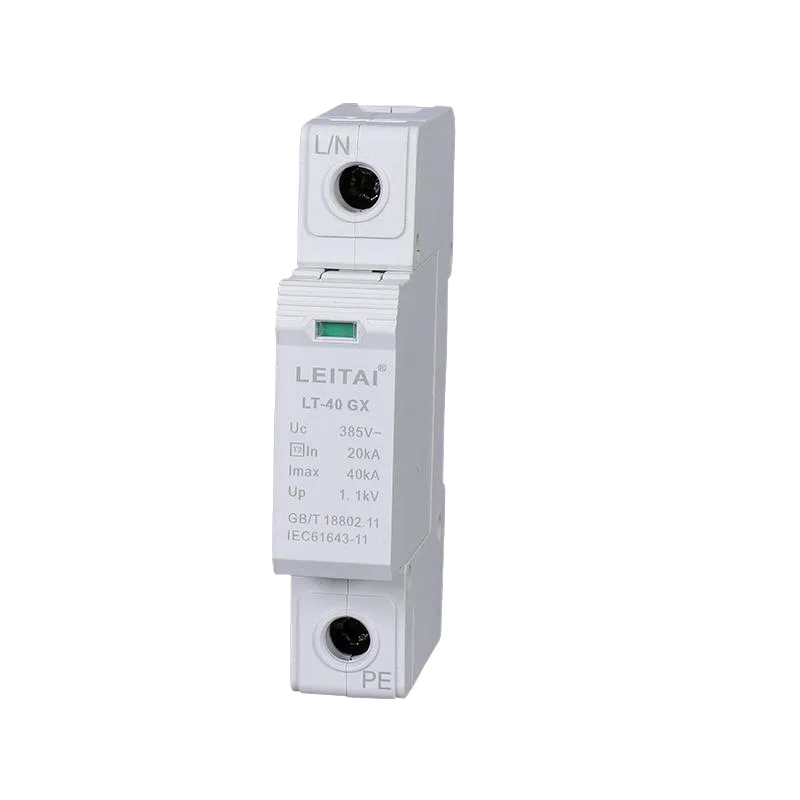
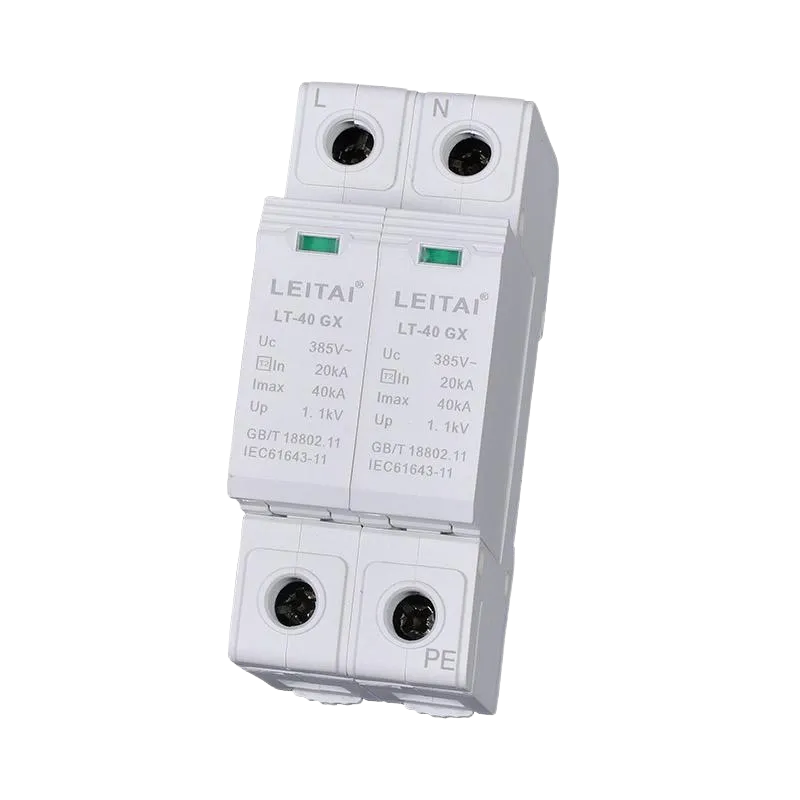
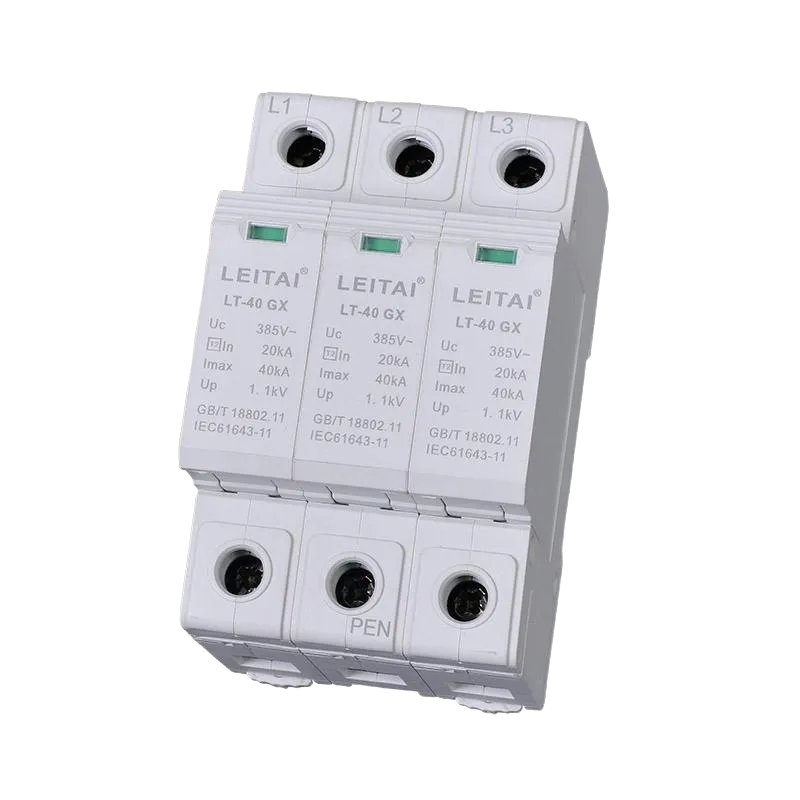
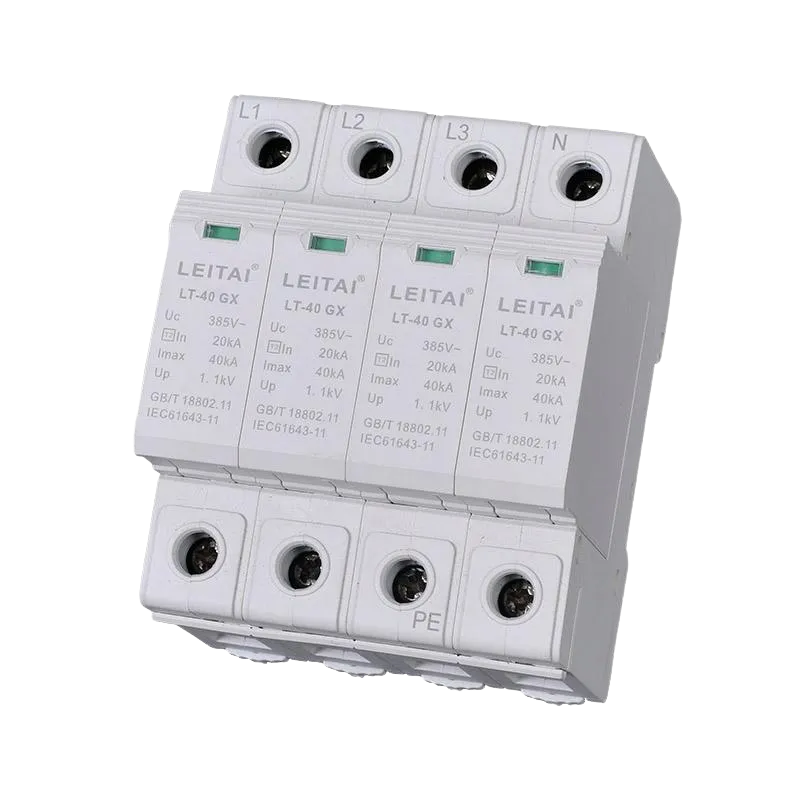
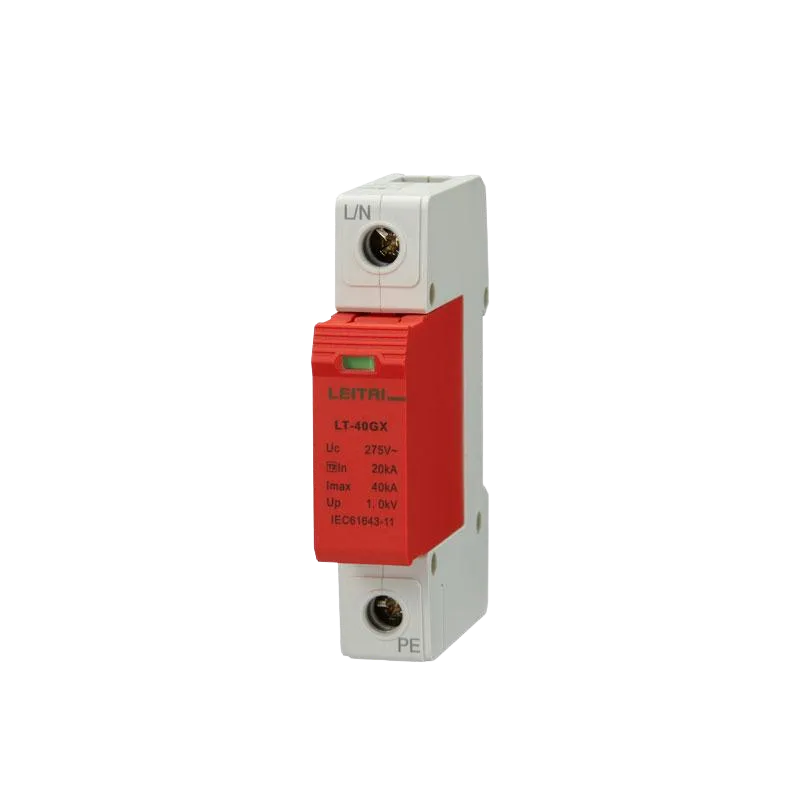
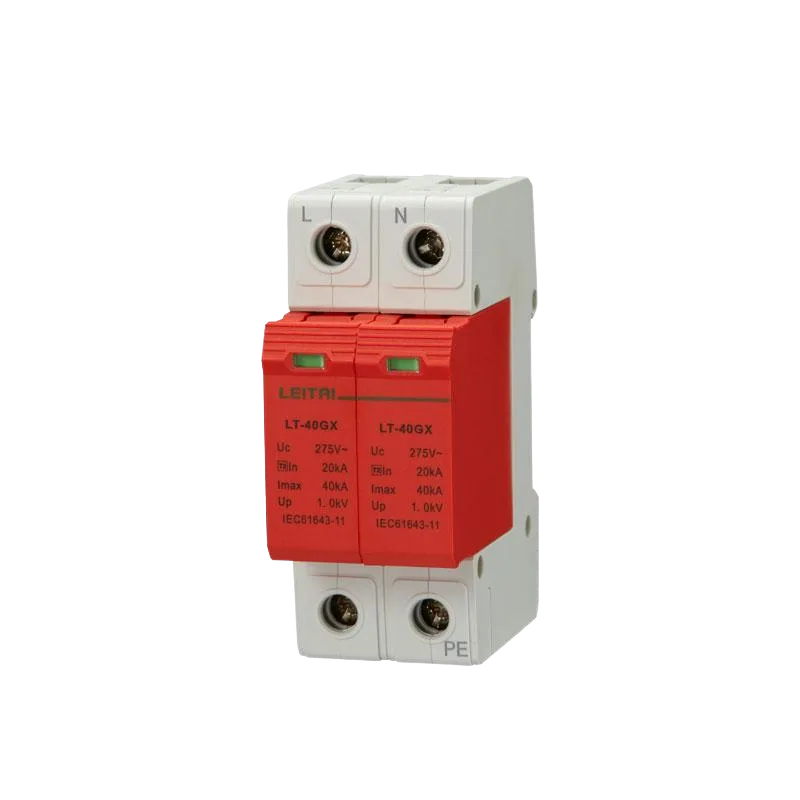
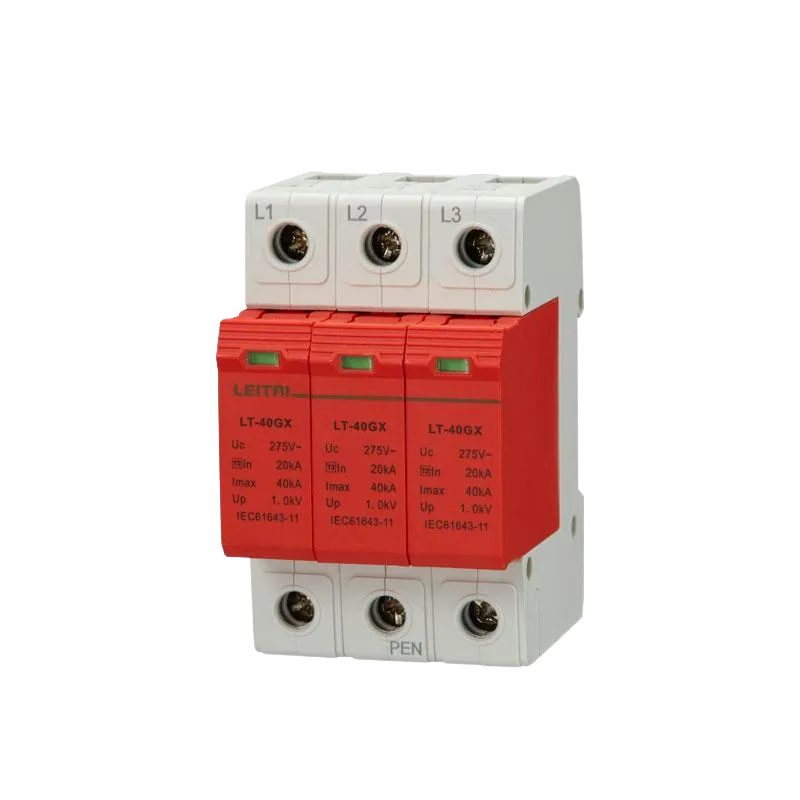
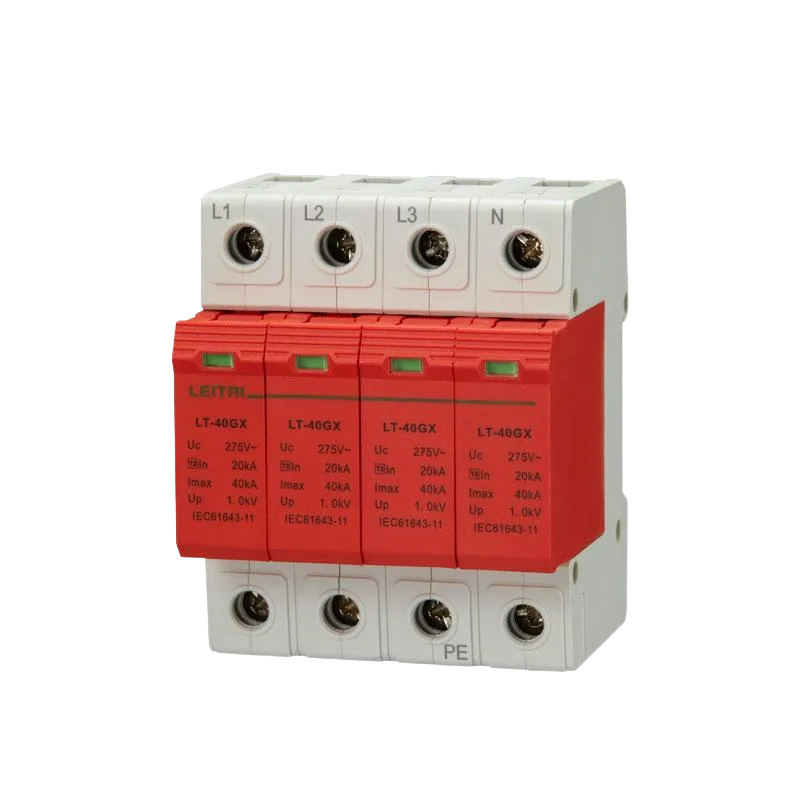
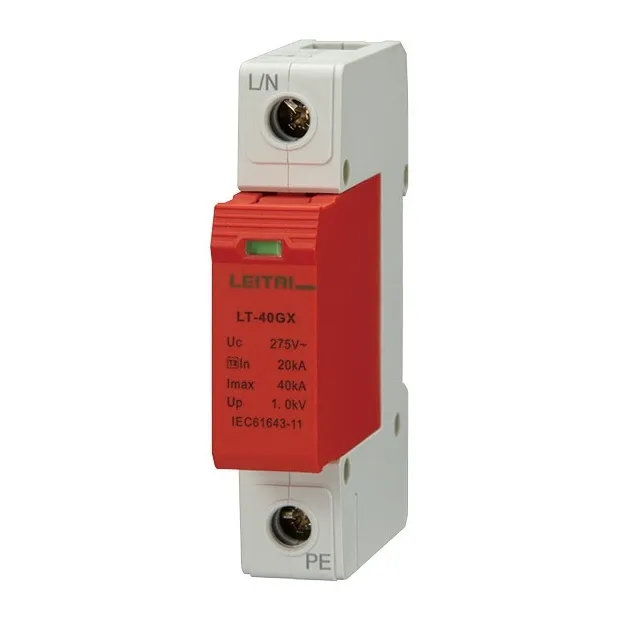
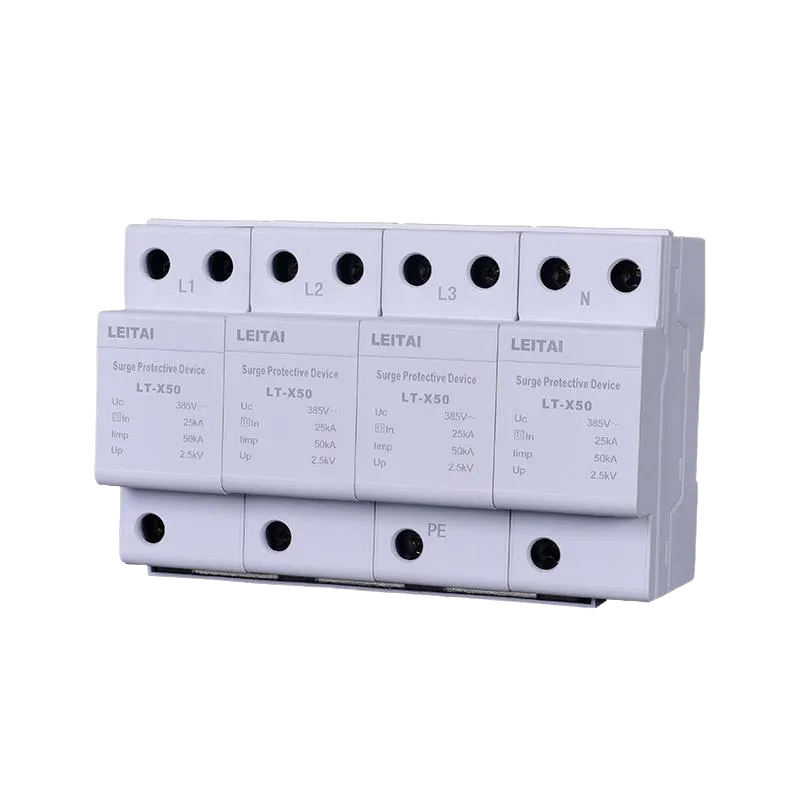
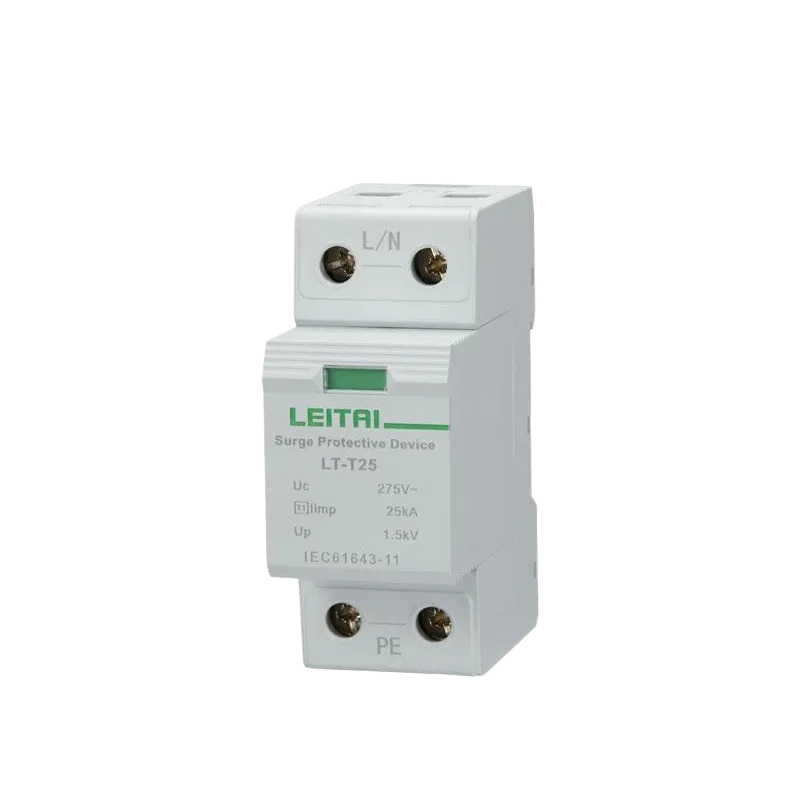
The LT-40GX is a low-Up surge arrester reaching 0.8kV on the 275V code, against 1.4kV for the standard LT-40. Same 20/40kA rating, same 18mm body, but the element is selected for clamping rather than capacity. It is specified where the margin between the residual voltage and the equipment withstand has run out.
Low Up Surge Arrester 0.8kV for Sensitive Loads
Clamping Voltage Is the Number That Reaches the Load
Discharge current tells you what the device survives; protection level tells you what the equipment experiences. The GX version takes the 40kA platform and re-optimises the element for a lower let-through, reaching 0.8kV on a 275V supply where a standard device of the same rating sits around 1.4kV.
Where the Margin Has Run Out
Modern electronic equipment often has an impulse withstand of 1.5kV or 2.5kV at its terminals. Once cable length, protection level and a safety margin are added up, a conventional device at 1.5kV or higher can leave nothing in reserve. This is the device that restores the margin without changing the panel layout.
Works as a Second Stage
In a cascaded design the first device absorbs the energy and the second defines the let-through. Because the GX clamps low while still handling 40kA, it can serve as that second stage without the co-ordination gap becoming critical, which simplifies the geometry of a retrofit.
Four Voltage Codes, Four Levels
The protection level rises with the continuous voltage window, from 0.8kV at 275V to 1.2kV at 440V. Choosing the lowest code the system allows is therefore a direct way to gain clamping margin, and it is the first decision in specifying this device.
Specifications
| Series | LT-40GX ultra-low residual voltage Type 2 SPD |
|---|---|
| IEC classification | Type 2 / Class II, tested to IEC 61643-11 |
| Maximum continuous voltage Uc | 275 / 320 / 385 / 440 VAC |
| Nominal discharge current In | 20 kA (8/20 µs) |
| Maximum discharge current Imax | 40 kA (8/20 µs) |
| Voltage protection level Up | 0.8 kV (275V), 1.0 kV (320V and 385V), 1.2 kV (440V) |
| Configurations | 1P, 2P, 3P, 4P |
| Module width | 18mm per pole |
| Positioning | second stage, close to sensitive loads |
| Related models | LT-40 standard (1.4kV and above), LT-10C (Type 3 equipment stage) |
Reading the LT-40GX specification
Up is the number that reaches the load, and it is the one figure a standard 40kA device cannot push much lower without changing technology. The GX version reaches 0.8kV at 275V, 1.0kV at 320V and 385V, and 1.2kV at 440V — roughly a 40% reduction against the standard body.
That reduction is bought with a different element selection, not with a larger rating. In and Imax stay at 20kA and 40kA, which is why the device fits the same rail position as the standard unit and can be substituted at drawing stage.
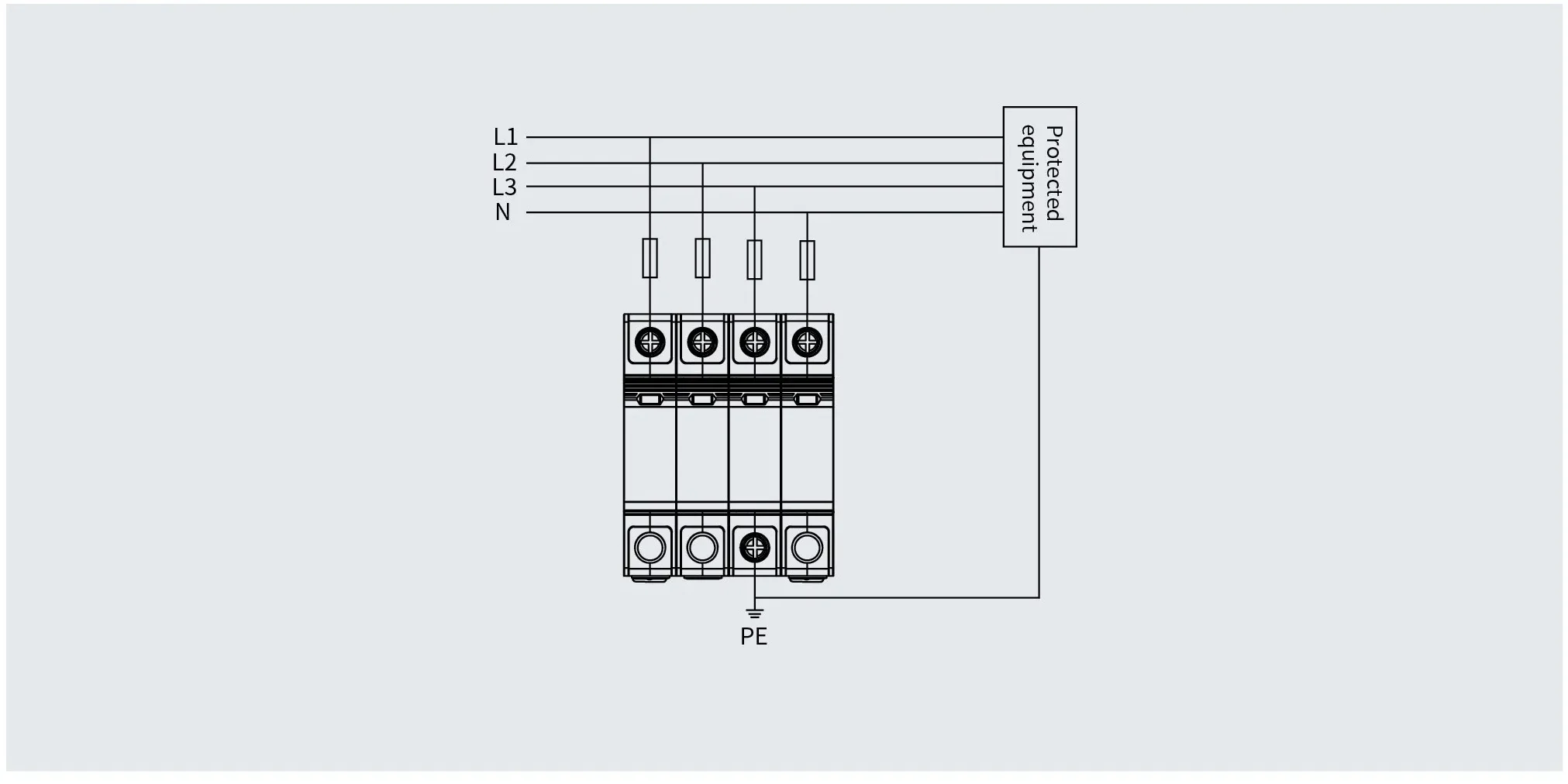
Wiring Diagram & Connection
The LT-40GX is wired like any 40 kA Type 2 unit but is placed where residual voltage matters: directly upstream of the drive, meter or control supply it is protecting, with the earth return kept on the same bar as that equipment.
LT-40GX — Specified by Its Protection Level, Not Its Current
Surge protector catalogues lead with discharge current because it is easy to compare, but the figure that decides whether equipment survives is the residual voltage at the terminals. Two devices can both be rated 40kA and differ by nearly a kilovolt in what they let through, and that difference is usually worth more than the current rating in a modern installation.
The trade is real: a lower clamping voltage means a varistor working nearer its threshold, so the device is selected where the exposure justifies it rather than as a blanket upgrade. In practice that means boards feeding controls, drives, communications equipment and medical or laboratory loads, where the equipment withstand is known and the margin is being calculated rather than assumed.
Factory-Direct OEM / ODM Manufacturer
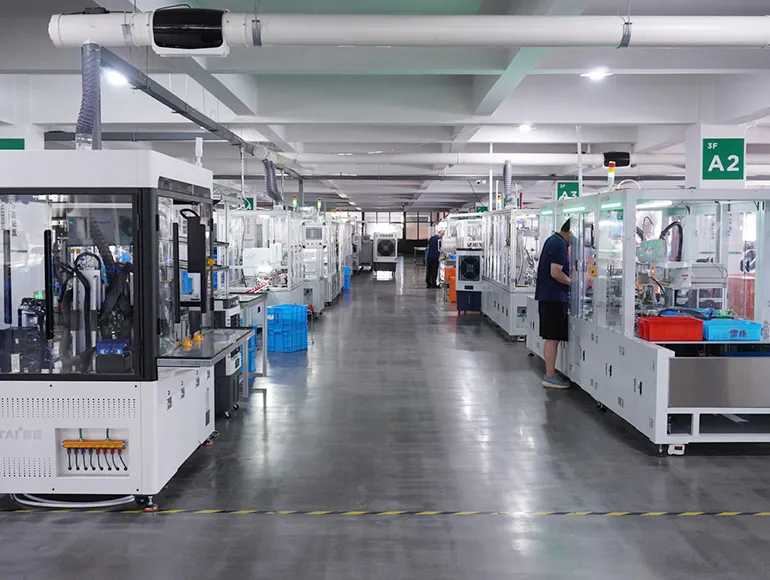
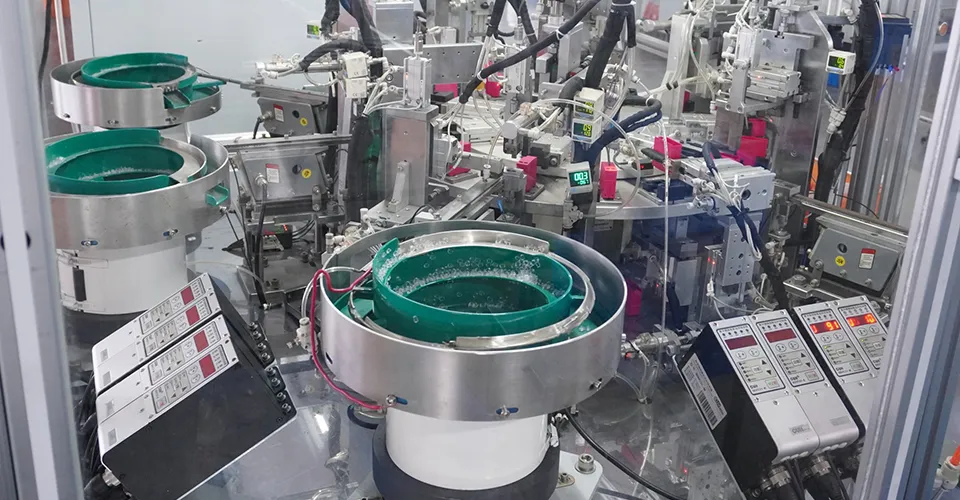
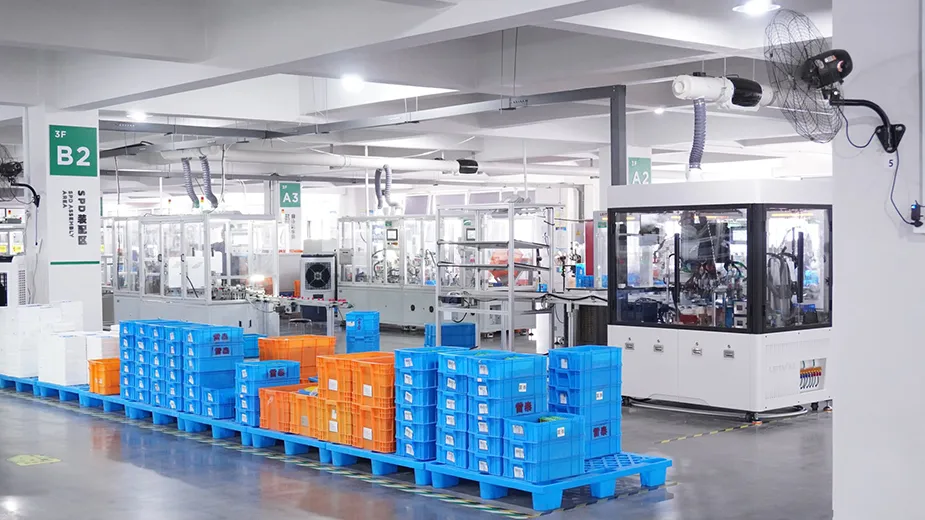
From Mould to Carton, Under One Roof
Liushi, Zhejiang · fully automatic SPD line · OEM, ODM and wholesale
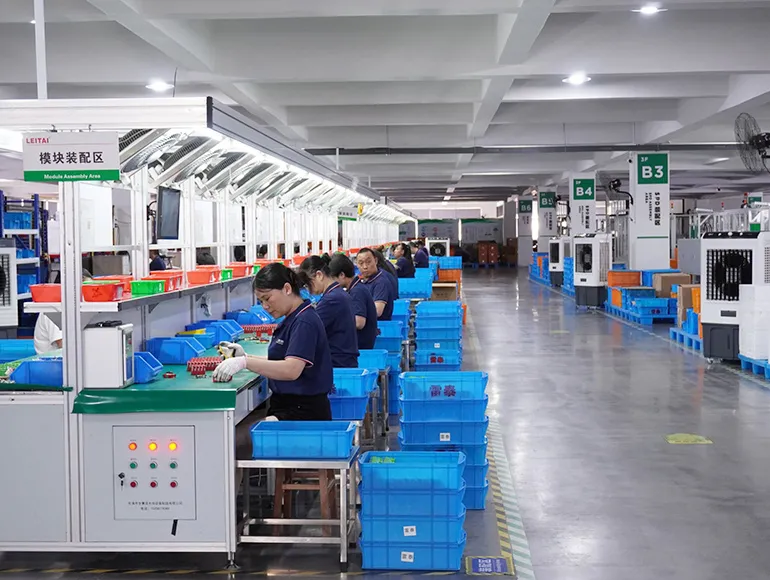
Choices that normally need a tooling investment — a different housing colour, an extra pole, a longer terminal shroud — are routine here because the machine shop, the moulding area and the assembly line are on the same site. That is the practical difference between buying from the plant and buying from a catalogue. See Type 2 SPD range for the models this platform covers.
- In-house moulds — new cavities cut and proven without an outside toolmaker.
- Assembly — semi-automatic cells keep torque and fit consistent across a batch.
- Quality gate — incoming varistors are graded before they reach the assembly line.
- Export packing — cartons, labels and pallet marks prepared to the destination market.
Buying Guide
- Establish the impulse withstand voltage of the equipment being protected, from its datasheet or the applicable product standard.
- Choose the lowest voltage code the system permits, since the protection level rises with Uc.
- Subtract the let-through from the equipment withstand and check the remaining margin, allowing for cable length between the SPD and the load.
- Confirm the co-ordination with any upstream device, particularly the cable length between stages.
- Verify the backup protection rating for the board fault level as with any 40kA SPD.
Where the LT-40GX is the wrong choice
It is not a Type 3 device and does not replace terminal protection where the equipment is genuinely sensitive — the LT-10C covers that position. Nor should it be used as the first stage at a main board where the energy is high; the lower clamping comes with less margin for repeated large surges.
How We Support Your Business
OEM / ODM
Private-label programmes run on the same type-tested platform, so a rebranded unit keeps the ratings, curves and approvals of the original.
Type-tested base · Rebranding · Carton design
Wholesale
Container planning, mixed pallets and consistent batch quality for wholesalers supplying panel builders and contractors.
Container plan · Mixed pallets · Batch records

Distributor Support
Priority production slots and a named account contact for partners promoting the range at trade shows and in tender work.
Priority slots · Named contact · Tender files
Ready to Order the LT-40GX?
Tell us the withstand voltage of the equipment and the system voltage, and we will confirm which LT-40GX code gives you the margin you need, with the upstream stage matched to it.
Frequently Asked Questions
What does low Up mean on an SPD?
Up is the residual voltage the protected equipment sees during a surge. A lower figure leaves more margin between that voltage and the equipment’s withstand rating.
How much lower is 0.8kV than 1.4kV?
About 40% lower at the 275V code. That difference is often what decides whether a sensitive load survives a surge at the edge of its rating.
Does low Up reduce the surge capacity?
Not the In and Imax ratings, which stay at 20kA and 40kA. The element is selected differently, but the device is not a smaller one.
Can it be the only device in the installation?
It can, but it is usually specified as the second stage behind a higher-energy device. Used alone at the origin it works, though the co-ordination benefit of cascading is lost.
Is it worth the premium in an ordinary building?
Usually not. Where the equipment has a generous withstand and the exposure is modest, a standard 40kA device is the economical choice. The GX earns its place where the margin is being calculated against a specific withstand value.
Does the low clamping level affect service life?
The element operates closer to its threshold, so the device is chosen for installations with measured exposure rather than for highly exposed sites. Where both low clamping and high exposure apply, a cascaded arrangement is the correct answer.


Reviews
There are no reviews yet.