

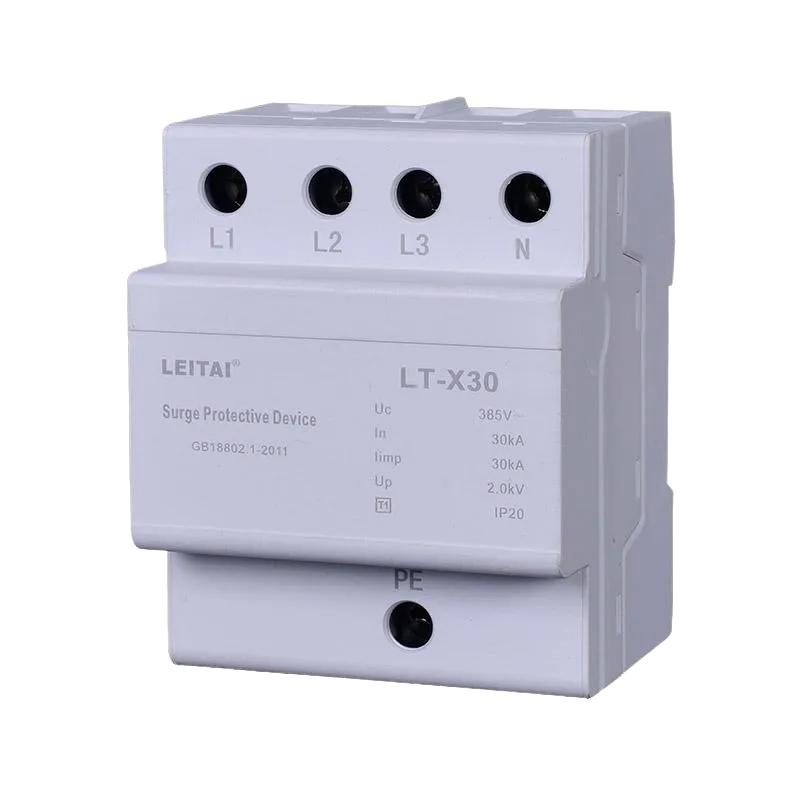
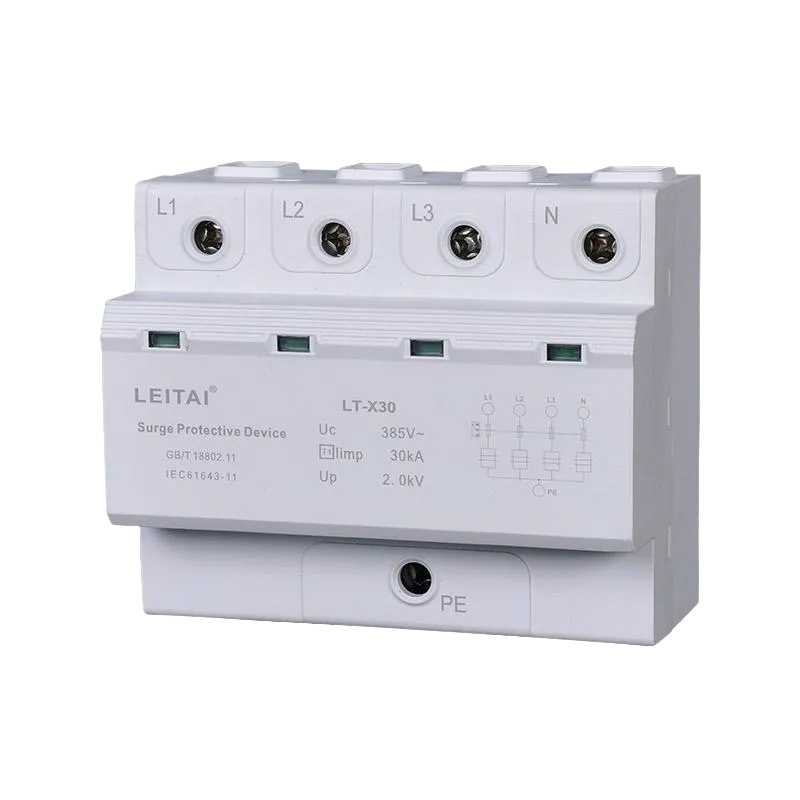
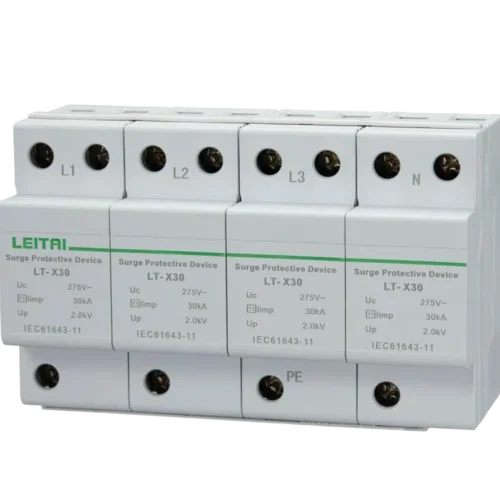
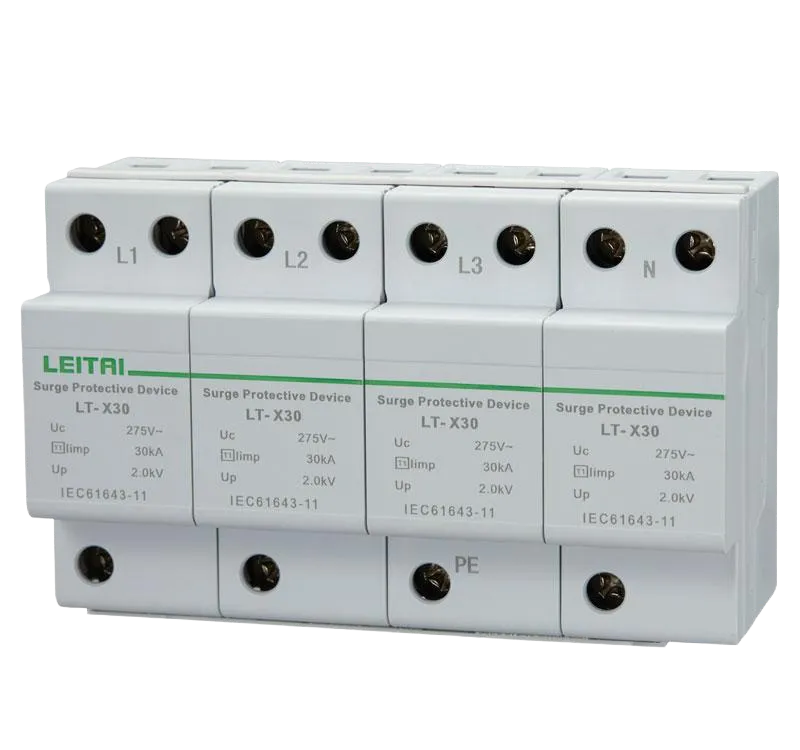
The LT-X30 is a Type 1 surge protector rated 30kA Iimp (10/350 µs) for service entries where a partial lightning current is expected on the conductors. It uses the same graphite gap element as the LT-X15, with more plates in the stack, so the clamping level stays at ≤2.5kV while the charge it can carry rises. It suits a three-phase four-wire intake on a structure with a defined lightning protection system and a calculated Iimp above 15kA per pole.
Type 1 Surge Protector 30kA: Key Features & Typical Use
The Middle Rating of the Gap Range
Between the minimum 15kA entry device and the 50kA unit for severe exposure there is a band that covers most commercial and light industrial buildings with a defined lightning protection system: the thirty kiloamp version. It is the rating most often quoted by risk assessments that stop short of the top classification.
More Plates, Same Behaviour
The construction is the same graphite gap as the LT-X15, with additional gap plates to increase the charge the element can carry per operation. That means the electrical behaviour at normal voltage is unchanged: no leakage, no ageing from continuous energisation, and no follow current to interrupt after the surge.
Paired With the Equipotential Bonding
A Type 1 device only does its job when the bonding network is complete. The arrester provides a controlled path between the conductors and earth at the entry; the lightning protection bonding provides the paths for everything else. Specifying one without the other leaves a route open.
Three-Phase Four-Wire by Default
Most installations that need this rating are three-phase with a distributed neutral, so the three-pole plus neutral arrangement is the standard build. Single and two-pole layouts are available for smaller intakes where the assessment still calls for a Type 1 device.
Specifications
| Series | LT-X30 Type 1 voltage switching SPD |
|---|---|
| IEC classification | Type 1 / Class I, tested to IEC 61643-11 |
| Maximum continuous voltage Uc | 275 / 320 / 385 / 440 VAC |
| Impulse discharge current Iimp | 30 kA (10/350 µs) |
| Voltage protection level Up | ≤2.5 kV |
| Protective element | graphite spark gap with increased plate count |
| Follow current | none — self-extinguishing |
| Configurations | 3P+NPE standard, 1P and 2P on request |
| Mounting | 35mm DIN rail to EN 60715 |
| Application interface | LPZ0 to LPZ1, service entry with LPS |
| Related models | LT-X15 (15kA), LT-X50 (50kA), LT-T25 (hybrid 25kA) |
Reading the LT-X30 specification
Iimp is stated per pole, and it is the only figure that separates a Type 1 device from a Type 2 unit of similar width. The 30kA rating is tested with a 10/350 µs waveform, which carries far more charge in its tail than an 8/20 impulse of the same peak — the reason a Type 2 arrester cannot simply be relabelled as Type 1. What decides whether 30kA is right is the lightning risk assessment: the number of down conductors, the earthing arrangement and whether the supply arrives overhead or underground.
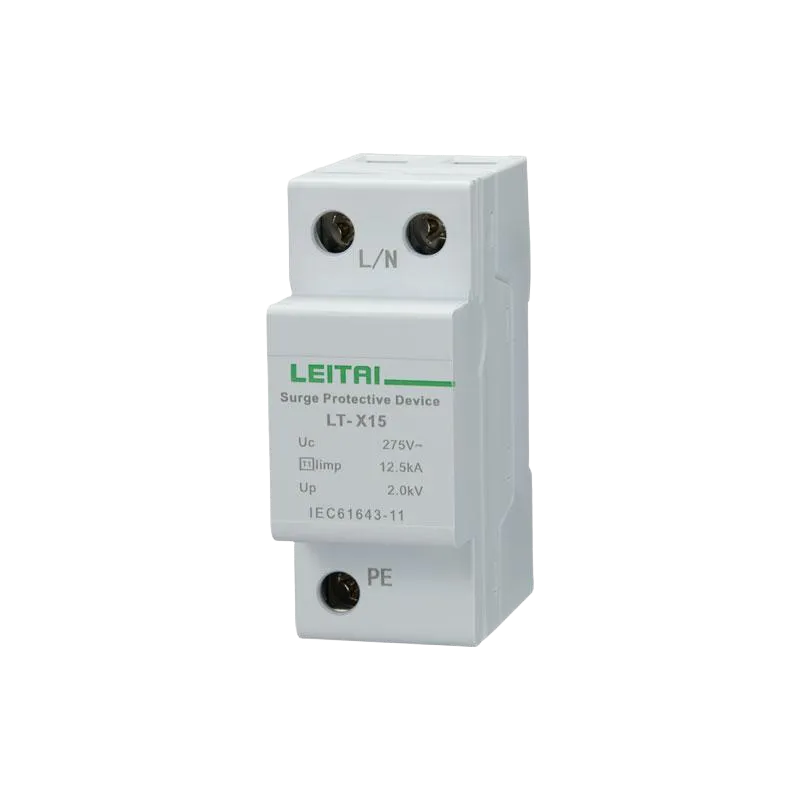
The step from the LT-X15 to the LT-X30 is one of plate count, not of housing. Width, terminal position and the 35mm DIN rail footprint are unchanged, so a drawing can move from 15 to 30kA without redrilling the panel or reordering a different enclosure.
Wiring Diagram & Connection
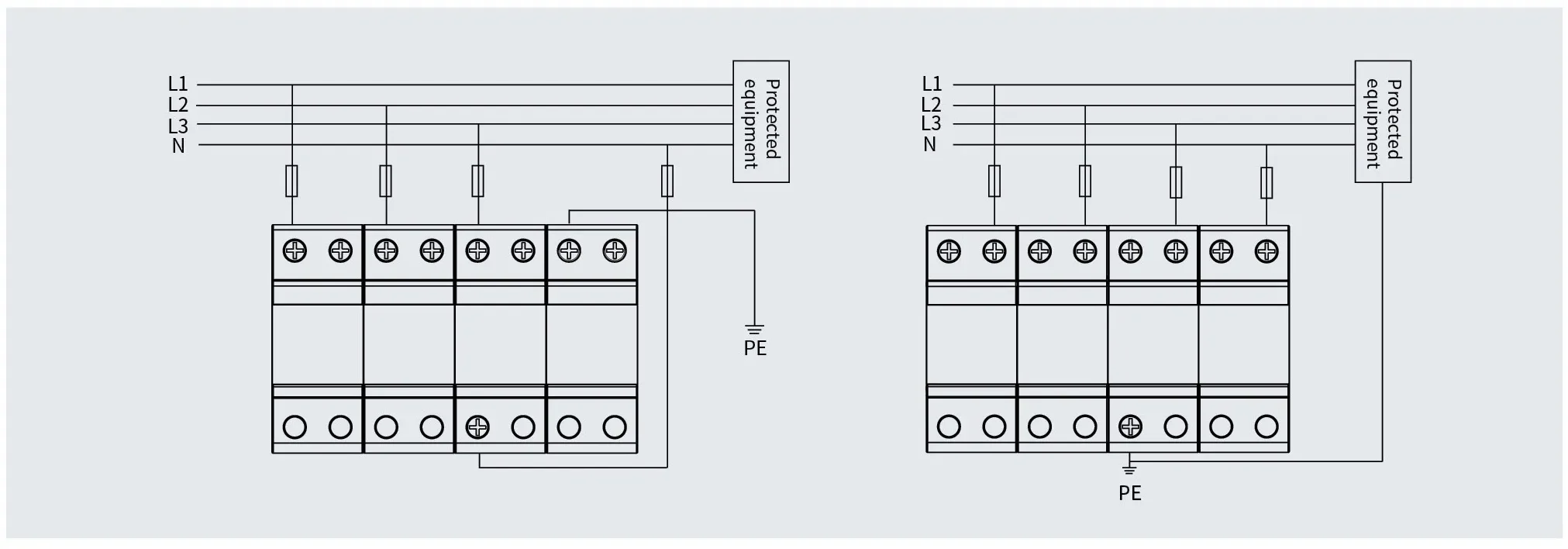
Electrically the LT-X30 is wired exactly as the LT-X15; the difference is the number of gap plates inside, which raises Iimp to 30 kA. That matters for the earthing conductor and for the panel’s short-circuit withstand, not for the terminal layout.
LT-X30 — The Rating Risk Assessments Usually Land On
Lightning risk assessment tends to produce a small number of outcomes in practice, and the middle one covers a broad set of buildings: a defined lightning protection system, moderate thunderstorm days, a supply that is neither fully underground nor completely exposed. Thirty kiloamps is the device that matches that outcome, and it is why this version outsells both of its neighbours.
From a buyer’s point of view the choice between the three gap ratings is about evidence rather than preference. If the assessment specifies 15kA, a 30kA device is unnecessary expenditure; if it specifies 50kA, the smaller device does not comply. We ask for that number before quoting, because it is the only figure that settles the question.
Factory-Direct OEM / ODM Manufacturer
Tooling We Own, Standards We Follow
IEC 61643-11 platform · 250kA test station · OEM and ODM programmes
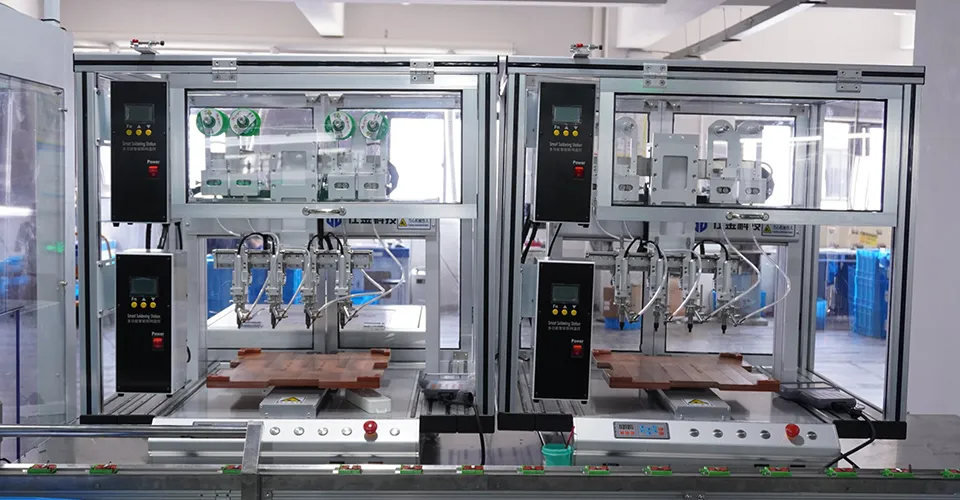
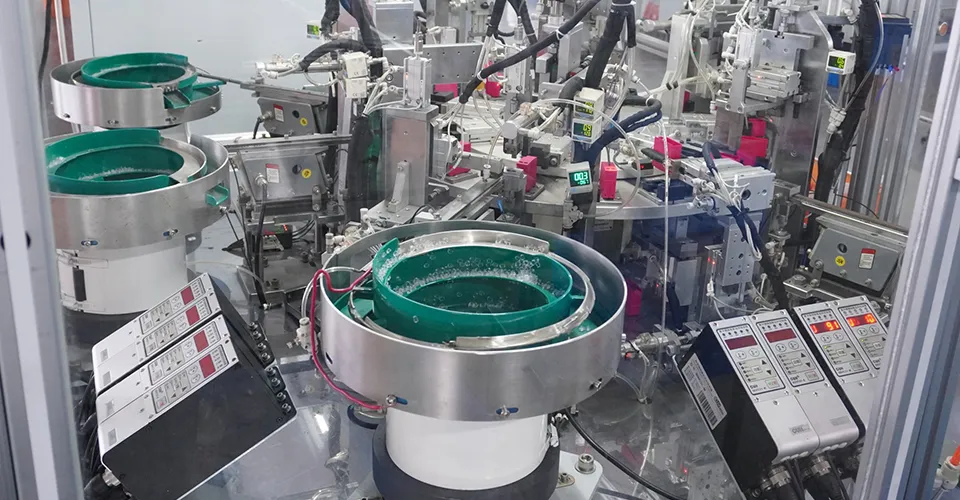
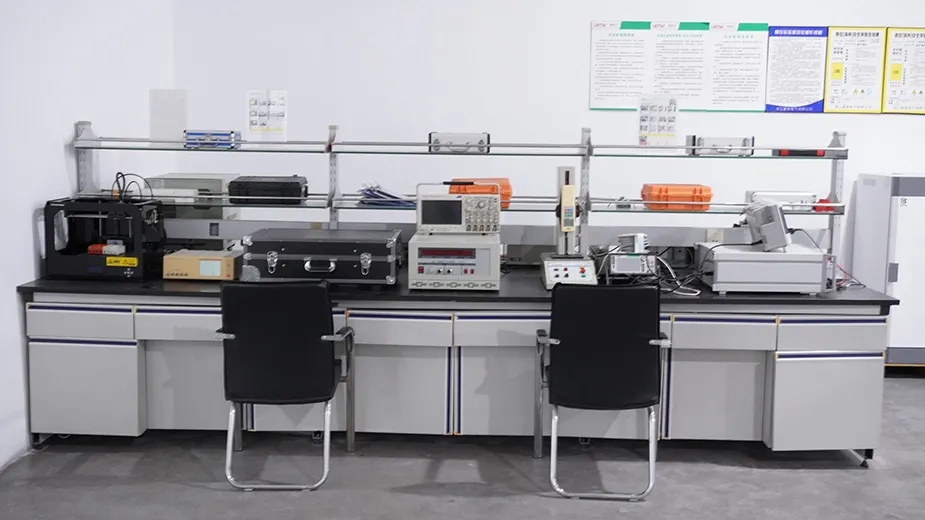
The modules on this page share a platform that has already passed type testing, so a variant order inherits that evidence instead of starting again. Manufacturing sits beside the laboratory, which is how we can verify a change before it enters a customer’s catalogue. Browse the rest of the range on Type 1 SPD range.
- Design control — drawings, BOM and test limits held under one quality system.
- Lab access — impulse and residual-voltage checks run before a variant is released.
- Branding — plate printing, laser marking and carton artwork prepared from your files.
- Order size — sample lots, LCL and full containers all quoted from the same line.

Buying Guide
- Obtain the required Iimp from the lightning risk assessment and keep the document for the technical file.
- Confirm how the supply reaches the building, since overhead or unshielded entry raises the share of current reaching the conductors.
- Select the pole arrangement from the earthing system; 3P+NPE is typical for four-wire three-phase intakes.
- Check that the equipotential bonding is complete at the entry before the arrester is energised.
- Plan the downstream Type 2 stage, since the gap device alone leaves a residual too high for sensitive loads.
Where the LT-X30 is the wrong choice
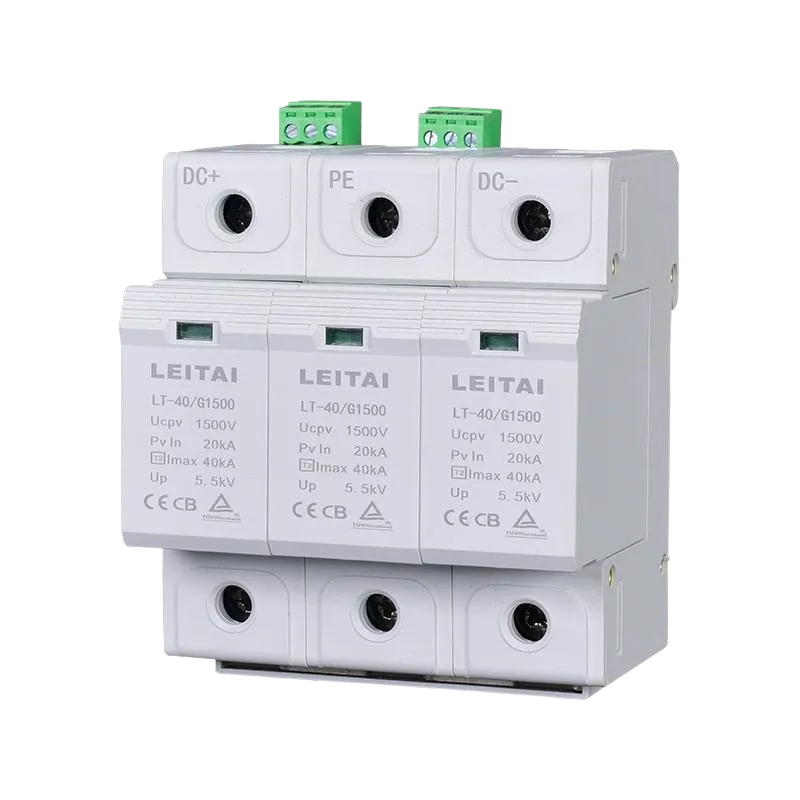
A building with no external lightning protection system does not need this device — the entry position is covered by a Type 2 SPD such as the LT-40, and a gap arrester there raises the clamping level without adding useful protection. Where the risk assessment returns above 50kA per pole, the LT-X50 is the correct rating. The LT-X30 is also not a substitute for the Type 2 stage downstream: its Up of 2.5kV is a first-stage figure, not a level that electronic loads can tolerate.
How We Support Your Business
OEM / ODM
Housing colour, pole count, voltage window, alarm contact and retail packaging built on our standard SPD platform — your logo on the front, your reference on the side.
Custom marking · Private label · Own artwork

Wholesale
Factory-direct pricing with a per-item MOQ, mixing SPD models and backup protectors in one container for importers, panel builders and catalogue sellers.
Factory pricing · Mixed models · Container loading
Distributor Support
Account management, local voltage and standard advice, plus priority production slots for partners building an SPD range in their market.
Account manager · Market advice · Priority slots
Ready to Order the LT-X30?
Send the Iimp figure from your risk assessment and the earthing arrangement and we will confirm the LT-X30 configuration, along with the Type 2 stage that should follow it.
Frequently Asked Questions
What is a Type 1 surge protector used for?
It is fitted at the service entrance of a building with an external lightning protection system, where part of a direct strike current can reach the conductors. It discharges that current at the LPZ0 to LPZ1 boundary and is followed by a Type 2 device downstream.
How do I know if I need 15kA or 30kA Iimp?
The figure comes from the lightning risk assessment, not from the building size. A single set of down conductors and an underground supply usually lands at the 15kA step; more down conductors, a taller structure or an overhead supply pushes the calculation to 30kA or above.
Does a Type 1 arrester need a backup fuse?
Not for follow current, because a graphite gap extinguishes at the natural current zero. The upstream device is selected for the installation’s fault level. Where local rules require a disconnector, an LT-SSD unit can be added in series.
Why does a spark gap not need a backup fuse?
Because the arc extinguishes at the current zero and no sustained fault current flows afterwards. The upstream protection is then selected for the installation’s fault level rather than to clear an SPD fault.
What maintenance does it need?
Visual inspection of the indicator after any significant lightning activity, and a periodic check of the protection level. Unlike a varistor, a gap element does not degrade from continuous energisation.
Can it be installed in an existing panel?
Yes, it is a DIN-rail device, but it must be at the entry point with short leads to the earth bar. Retrofitting it into a panel far from the entry defeats the purpose.



Reviews
There are no reviews yet.