


The LT-160 is a 160kA panel surge protector for transformer incomers, rated In 100kA and Imax 160kA in the same wide body as the LT-100. It is the top of the Type 2 range and is specified at industrial intakes with stiff supplies, where the transformer is close to the board and the fault level is high.
Panel Surge Protector 160kA for Transformer Incomers
The Top of the Type 2 Ladder
One hundred kiloamps nominal is the largest single-stage Type 2 duty in this catalogue. It exists for boards that sit directly behind a distribution transformer, where the impedance between the surge source and the protector is small and the energy delivered is correspondingly large.
Same Body, Higher Stack
Because it shares the 36mm moulding with the LT-100, a project that later needs the larger rating keeps the same panel cut-out and the same terminal positions. The difference is inside the cartridge, and it is not visible from the front of the board.
A First Stage, Explicitly
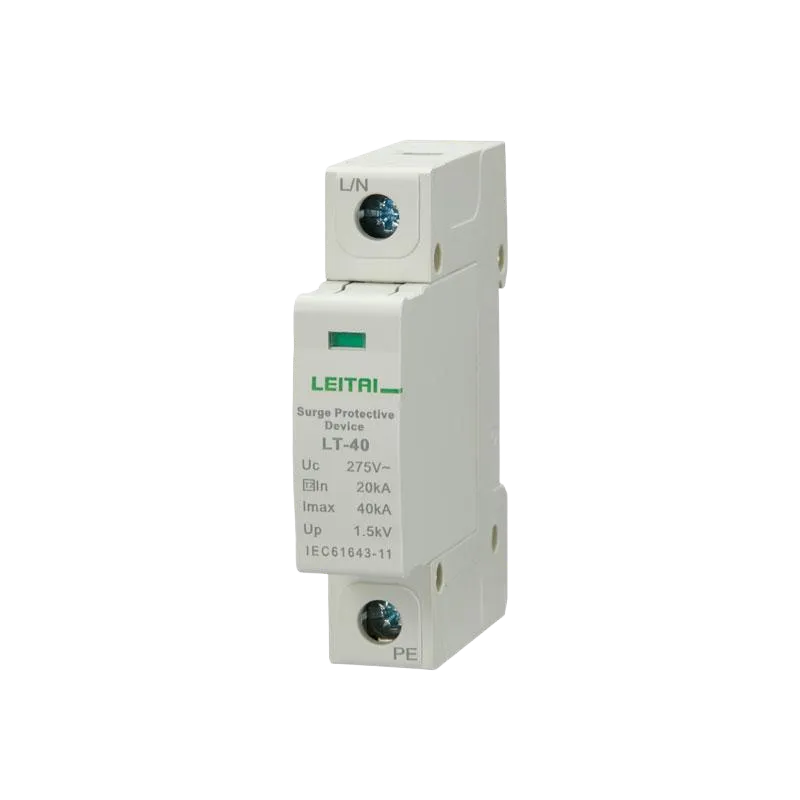
At 3kV clamping this device protects the installation, not the electronics inside it. In a proper design it is followed by a 40kA device at the sub-main and often a 20kA device at the floor board, each step lowering the let-through voltage until it matches what the load can survive.
For Industrial Intakes With Stiff Supply
Where a factory intake sits metres from a transformer, or where the supply is derived on site, the available surge energy is well above a commercial installation of similar load. This is the rating that matches that condition, and it is normally ordered together with its backup device as one assembly.
Specifications
| Series | LT-160 maximum current AC surge protective device |
|---|---|
| IEC classification | Type 2 / Class II, tested to IEC 61643-11 |
| Maximum continuous voltage Uc | 385 / 440 VAC |
| Nominal discharge current In | 100 kA (8/20 µs) |
| Maximum discharge current Imax | 160 kA (8/20 µs) |
| Voltage protection level Up | ≤3.0 kV |
| Configurations | 2P and 4P standard, other layouts on request |
| Module width | 36mm per pole — 144mm for the 4P version |
| Mounting | 35mm DIN rail to EN 60715 |
| Status | indicator per pole, thermal disconnector, replaceable module |
| Positioning | transformer incomer, first of a multi-stage arrangement |
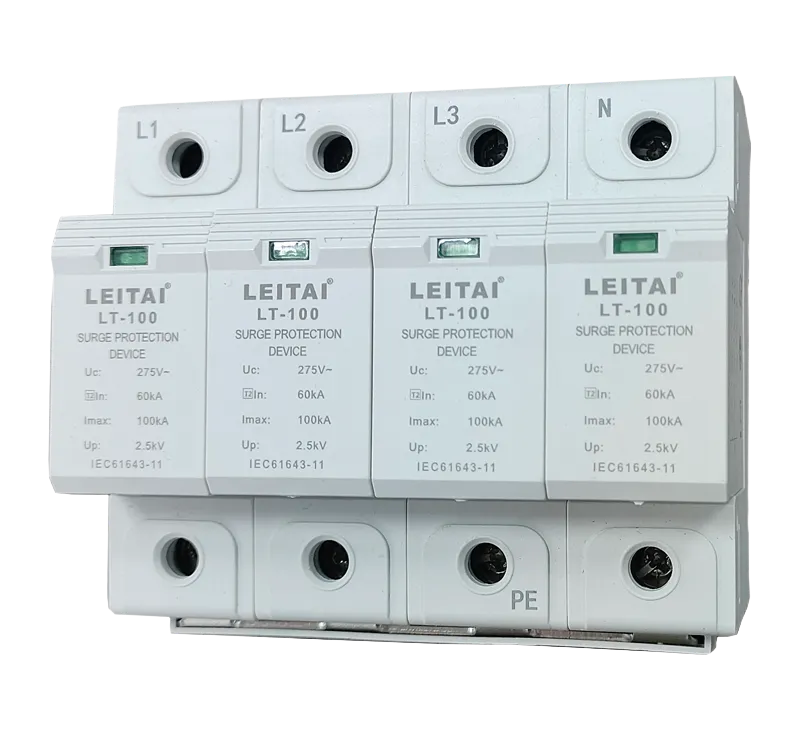
| Related models | LT-100 (60/100kA, same body), LT-80RT and LT-100RT for plug-in duty |
Reading the LT-160 specification
In 100kA is the repeated-duty rating, and at this level the device is absorbing energy that would destroy a standard module in one event. The 3.0kV clamping level is the same as the LT-100, which is expected: both are first-stage devices and both rely on a downstream stage for the residual.
Because the body is shared with the LT-100, a project can specify either rating on the same drawing and change only the line item. That is useful where the transformer size is confirmed late in the design.
Wiring Diagram & Connection
The LT-160 sits at the transformer secondary, ahead of everything else in the board. Wiring is a direct busbar tap from the incoming terminals with the earth return taken to the main earthing bar by the shortest available route.
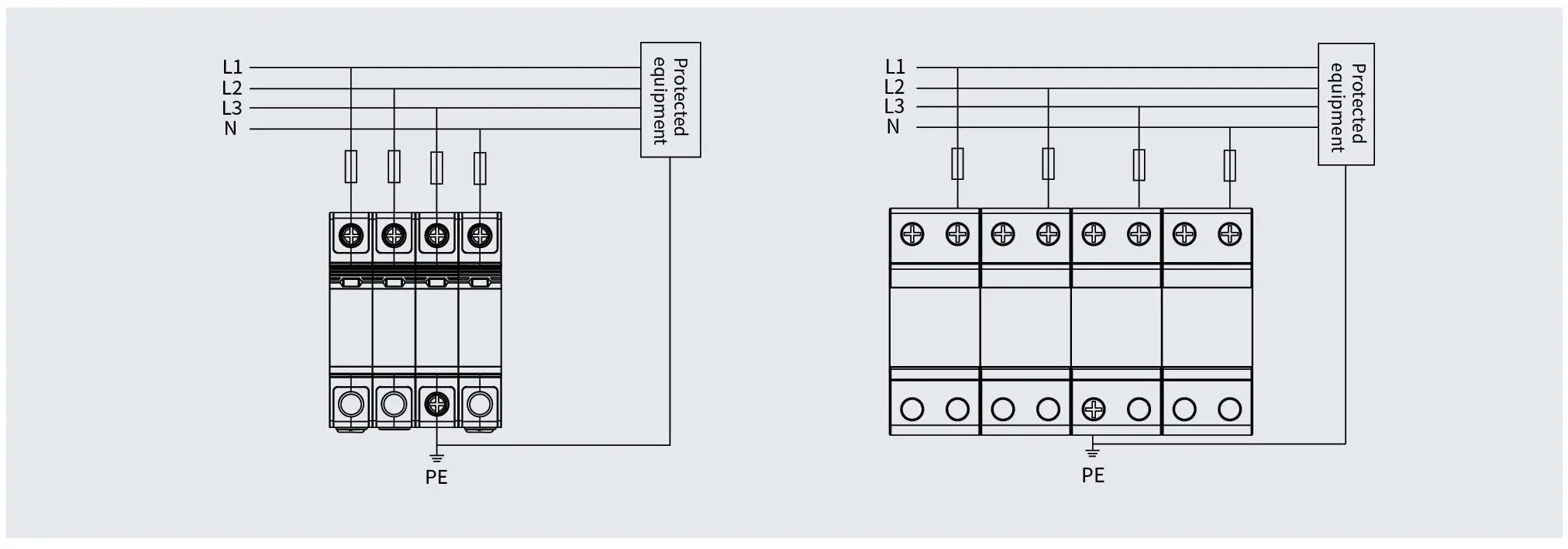
LT-160 — Matching the Device to the Energy at the Incomer
The number on the front of an SPD is a maximum capability, not a target. Specifying 160kA where the board only ever sees a fraction of that is a way of paying for copper and rail space without improving protection. The rating earns its place where the transformer is close, the feeder is short and the fault level is high, because those are the conditions that put real energy into the board rather than into the cable.
In those installations the economics also change: the cost of an unplanned shutdown on an industrial intake dwarfs the difference between a 100kA and a 160kA device, and the wider body is already accounted for at the layout stage. The other half of the decision is the second stage. An incomer device at 3kV without a downstream stage protects the switchboard and leaves the loads exposed, so the pair is specified together.
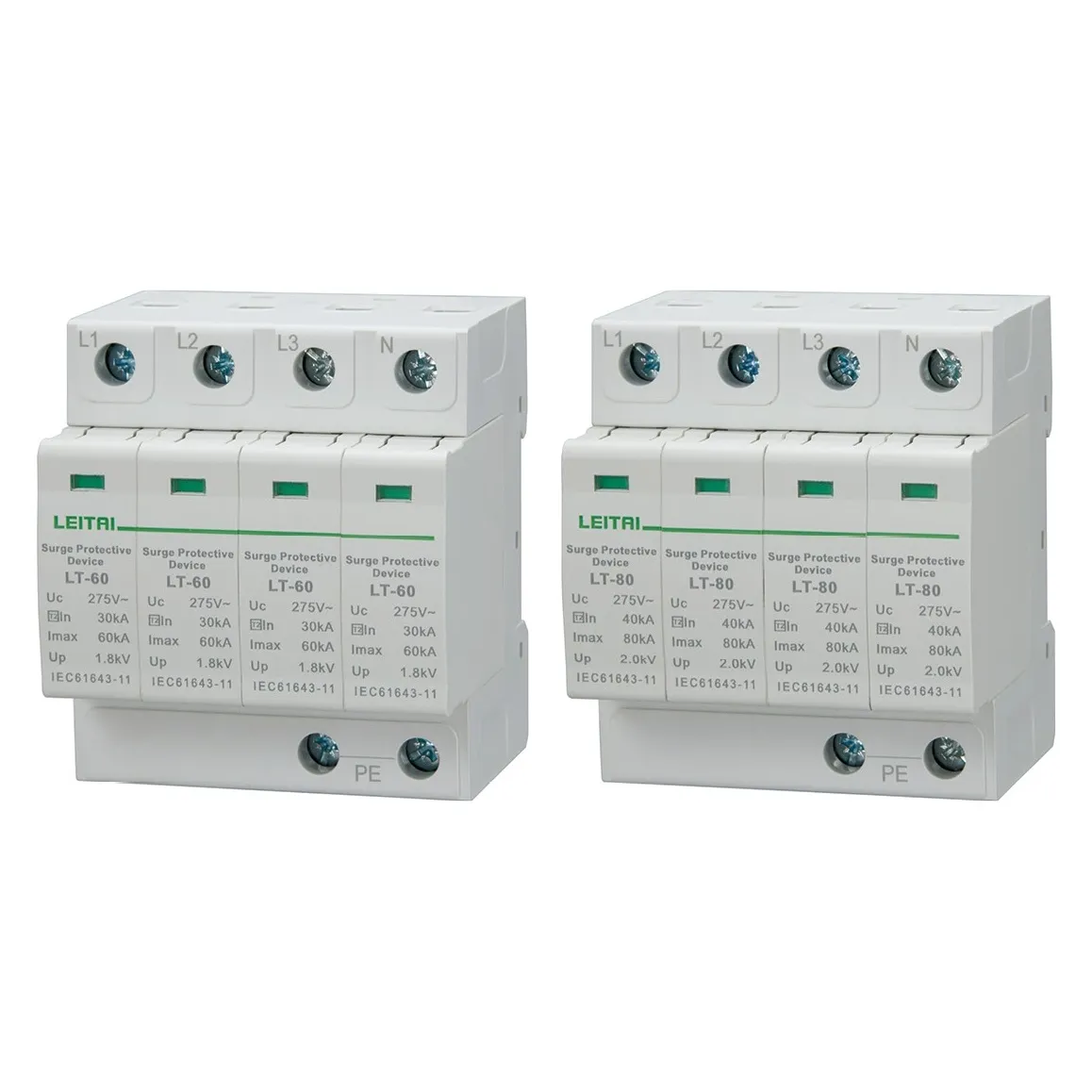
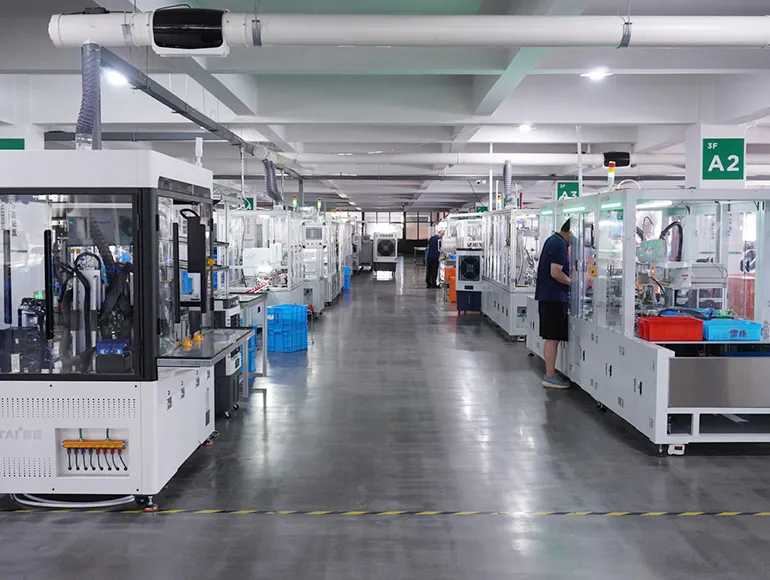
Factory-Direct OEM / ODM Manufacturer
One Line, One Supplier
Own tooling · own test station · 40+ export markets since 2010
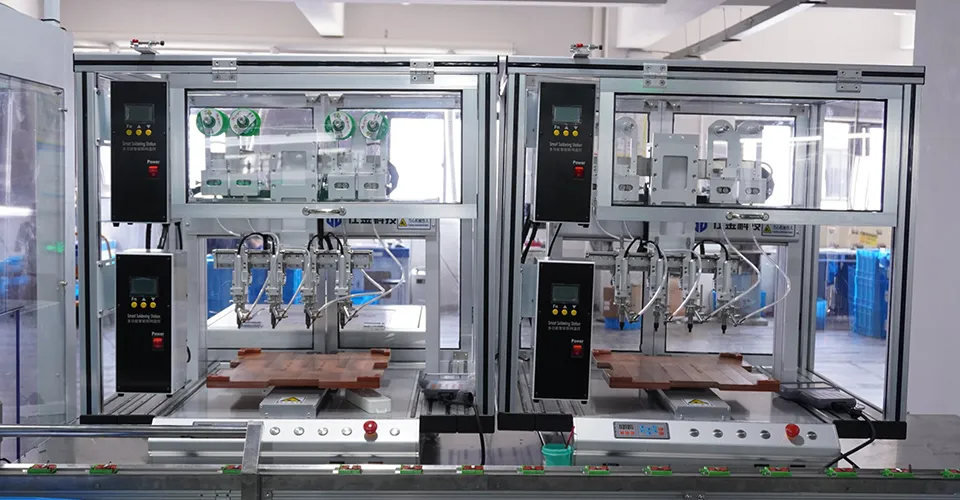
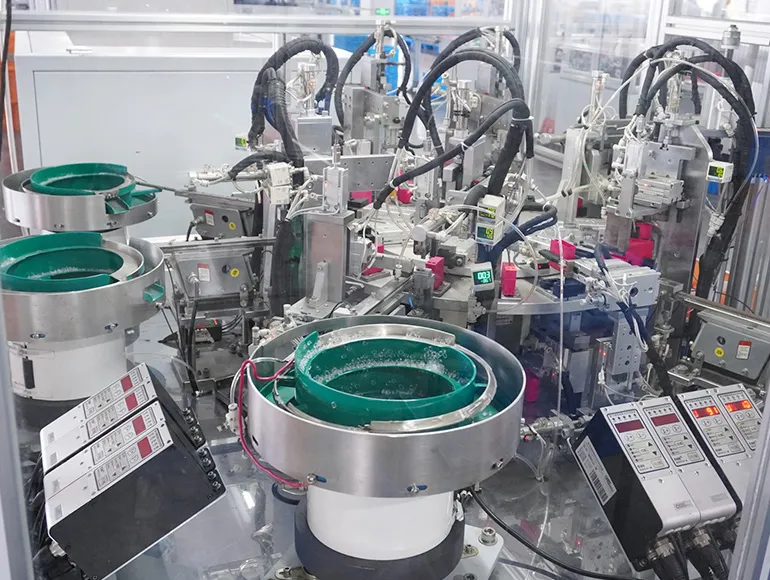
Importers usually buy surge protection from two or three traders and then discover that the modules do not fit the same busbar. We build the whole chain — moulding, assembly, calibration and final test — in one plant, so a mixed order arrives consistent. The series overview is on our Type 2 SPD range page.
- OEM / ODM — design changes handled in house from drawing to first article.
- Mixed containers — several models and accessories loaded together against one PO.
- Documents — test reports, declarations and dimension drawings supplied with the shipment.
- After-sales — replacement modules and spare parts supported for the life of the range.

Buying Guide
- Establish the transformer rating and the length of the incoming feeder; short and stiff means more energy at the board.
- Reserve 144mm of rail for a four-pole unit and check the enclosure depth allows the cover to close.
- Confirm the fault level and select the backup protection or an LT-SSD disconnector to match.
- Design the second stage downstream and verify the cable length between stages supports co-ordination.
- Include the test documentation requirement in the purchase order so the file arrives with the goods.
Where the LT-160 is the wrong choice
It is not a default for industrial boards. Where the transformer is remote or the fault level is moderate, the LT-100 or the 80kA range is sufficient and takes less rail space. It also does not remove the need for a Type 1 device where an external lightning protection system exists — a Type 2 unit, however large, is not rated for the 10/350 waveform.
How We Support Your Business
OEM / ODM
From a printed logo on a standard module to a modified housing and a new rating label — changes are handled on our own tooling, not through a broker.
Logo printing · Modified housing · Own label
Wholesale
Buy the models that move in your market and mix them with accessories in the same shipment; pricing is quoted per configuration.
Per-item MOQ · Mixed shipment · Export packing

Distributor Support
Stock planning, replacement-module supply and market-specific documentation for channel partners who hold inventory.
Stock planning · Spares · Documentation
Ready to Order the LT-160?
Send the transformer rating, the feeder length and the single-line diagram and we will propose the complete staged arrangement, with the incomer device, its backup protection and the downstream stage sized to match.
Frequently Asked Questions
What is a 160kA SPD used for?
It protects the incoming section of an industrial board fed by a large transformer at a short distance, where the prospective fault current and the surge energy are both high.
Can a 160kA Type 2 replace a Type 1 device?
No. The rating describes 8/20 induced-surge capacity, not the 10/350 lightning waveform. Where an external lightning protection system exists, a Type 1 device is still required.
Does it fit where a 100kA unit was planned?
Yes. Both use the same wide body and terminal arrangement, so the drawing does not change when the rating is upgraded.
What is the backup protection requirement?
It depends on the prospective fault current at the board. The maximum backup protection rating for the device is stated on the quotation, and the installed device must not exceed it.
Is the module replaceable on site?
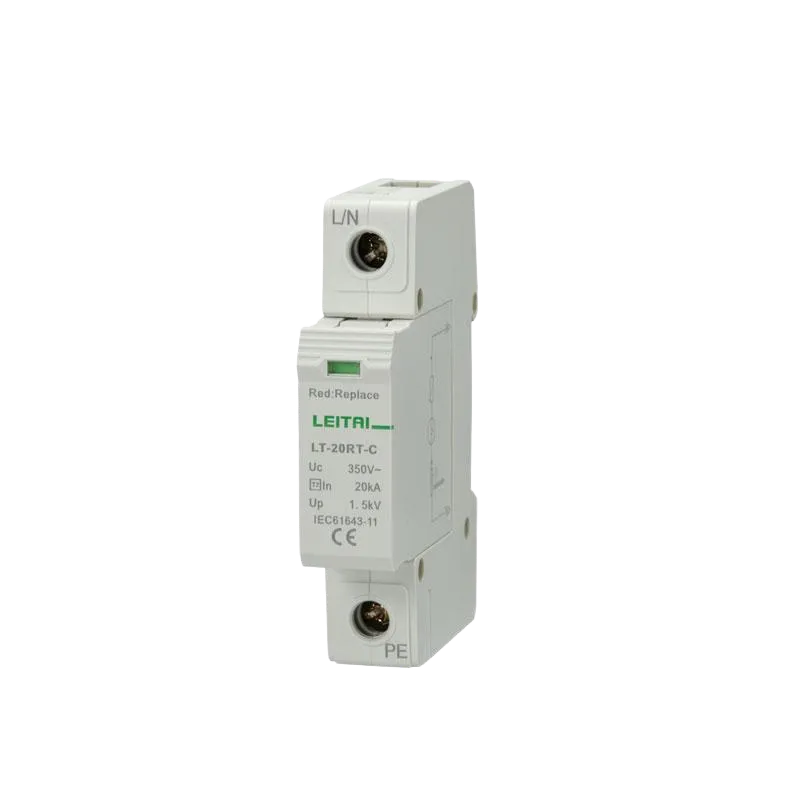
The wide-body versions are supplied as replaceable modules on a fixed base, so a failed unit can be exchanged without removing the terminal wiring. For frequent live replacement, specify the plug-in RT range.
Does the higher rating give a lower clamping voltage?
No, the opposite: a larger stack clamps at a slightly higher level. That is why it is placed furthest from the load and co-ordinated with lower-Up devices downstream.


Reviews
There are no reviews yet.