

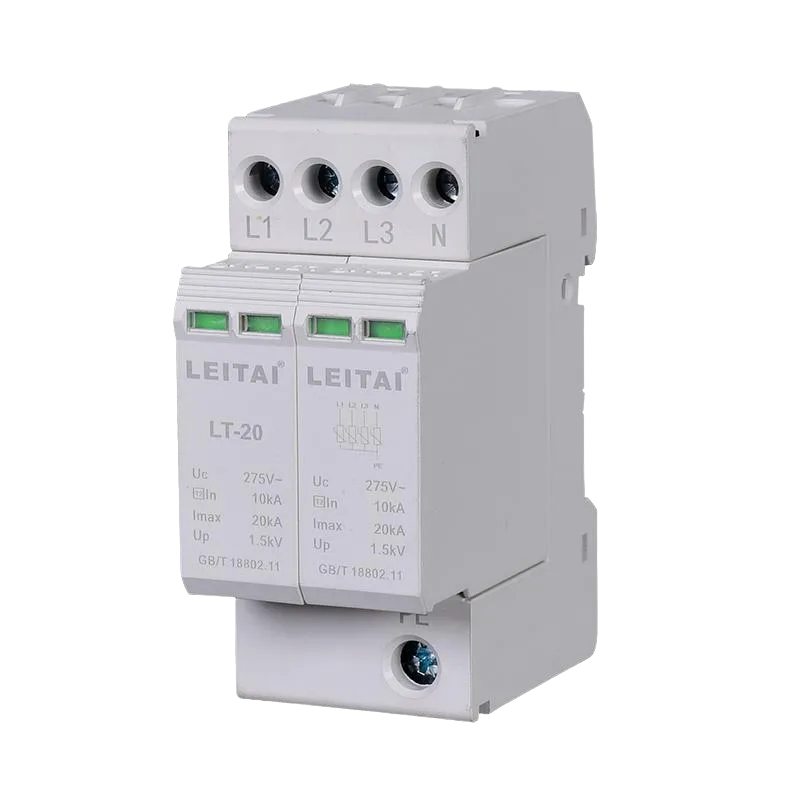
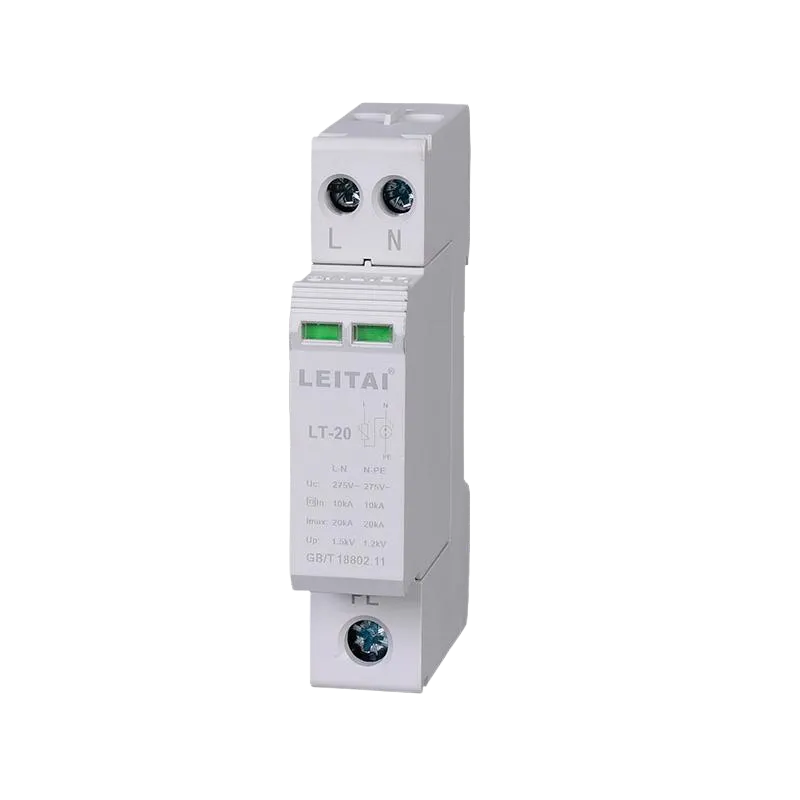
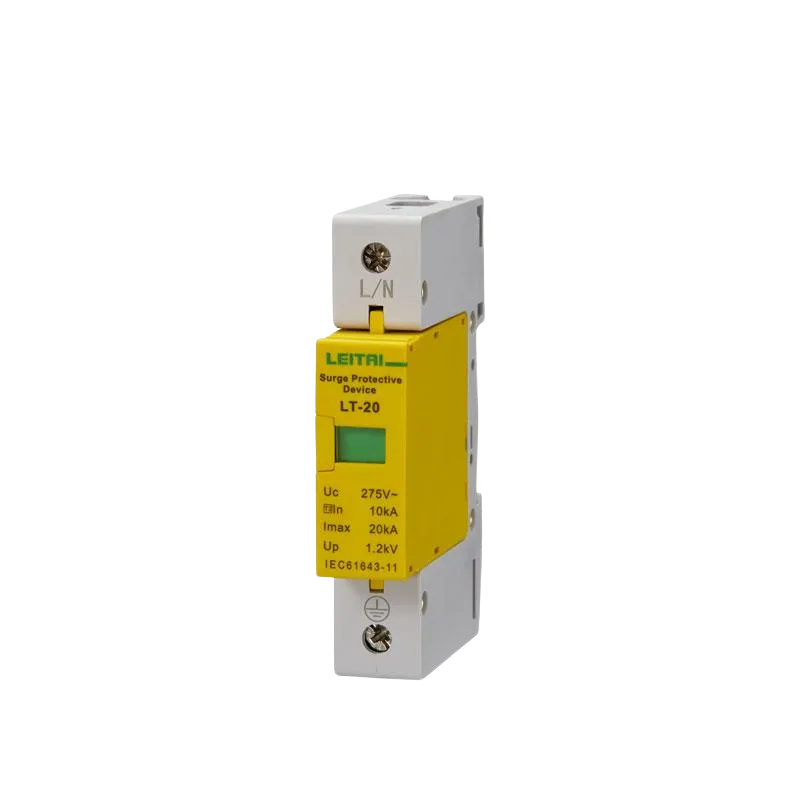
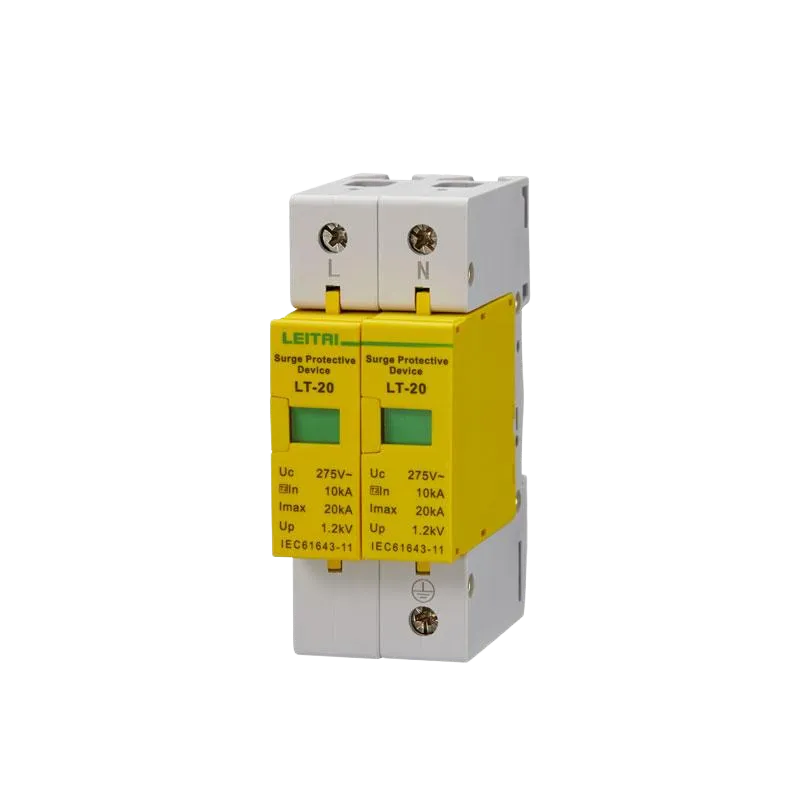
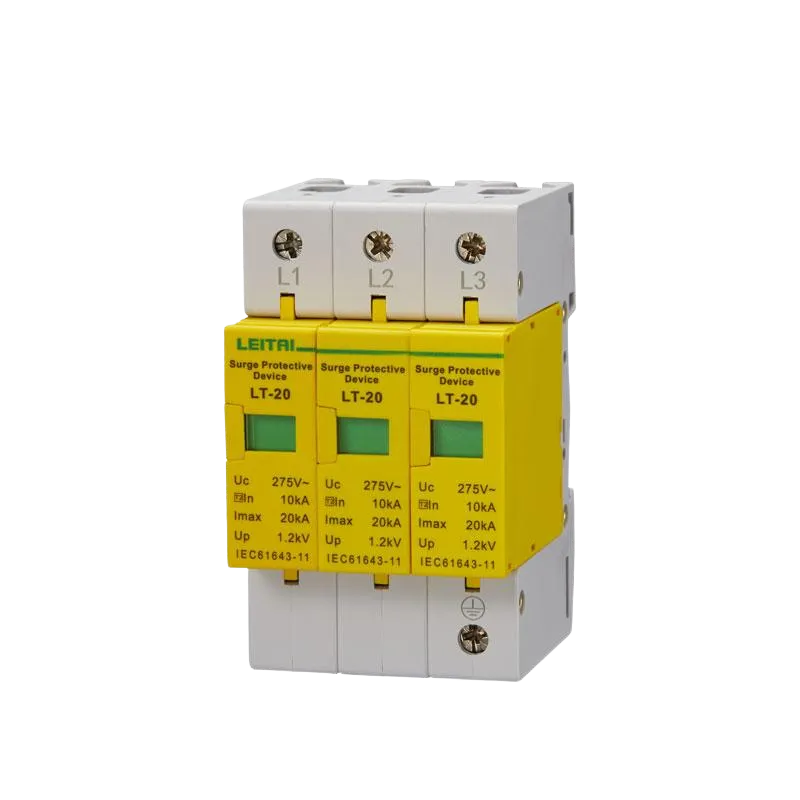
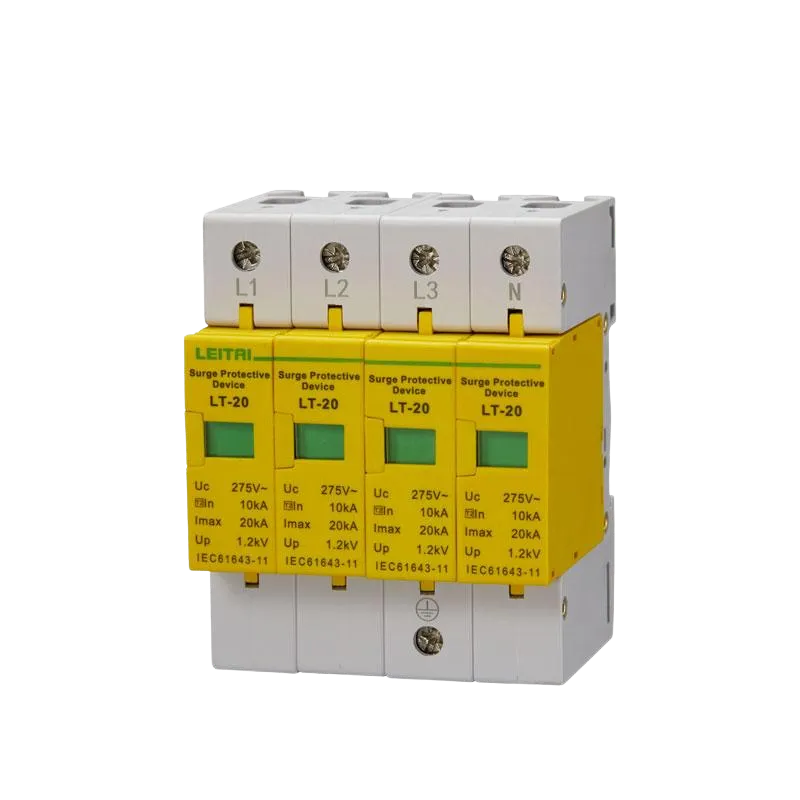
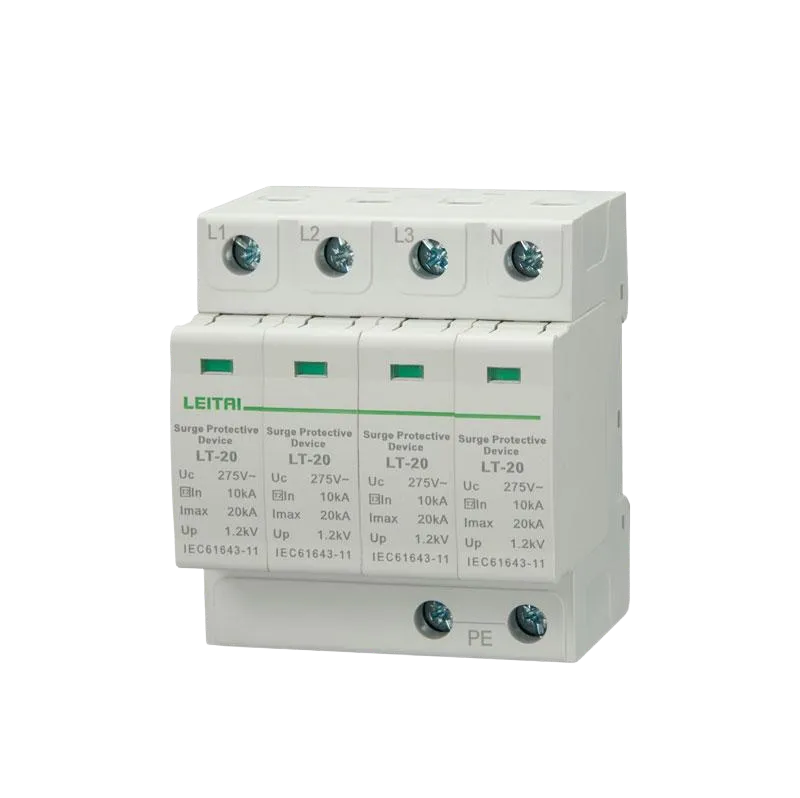
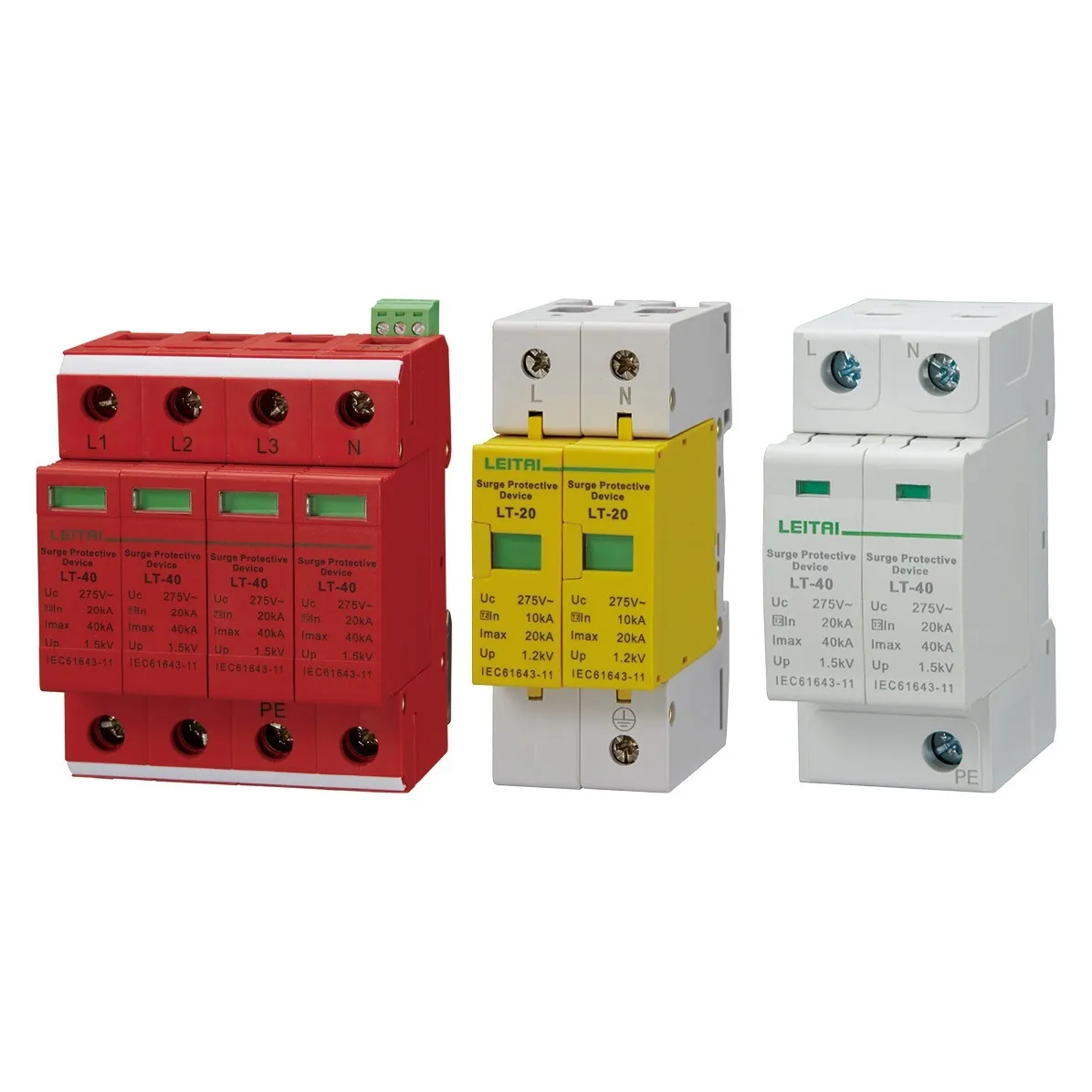
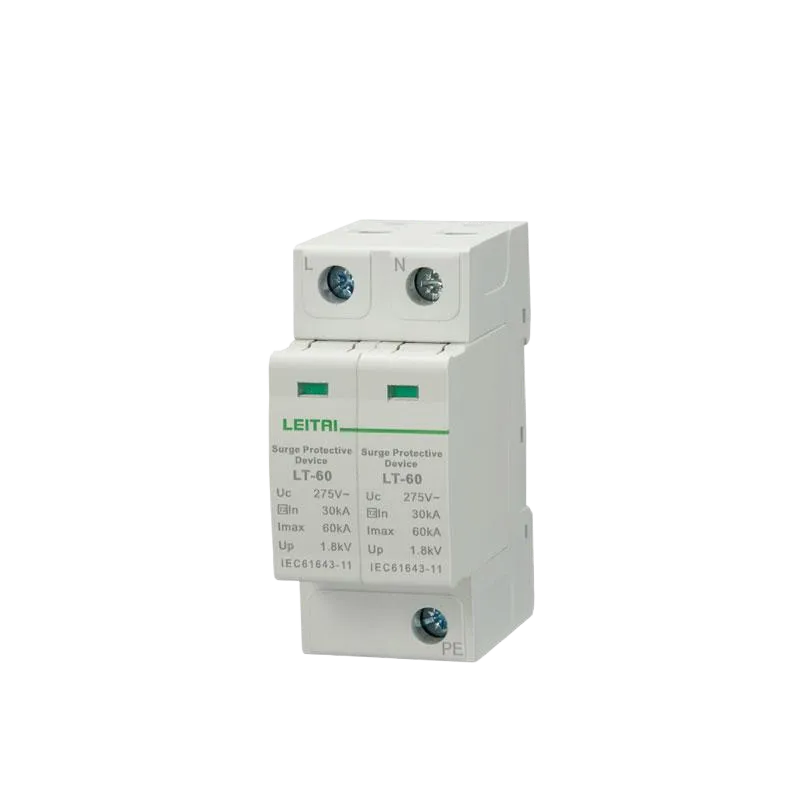
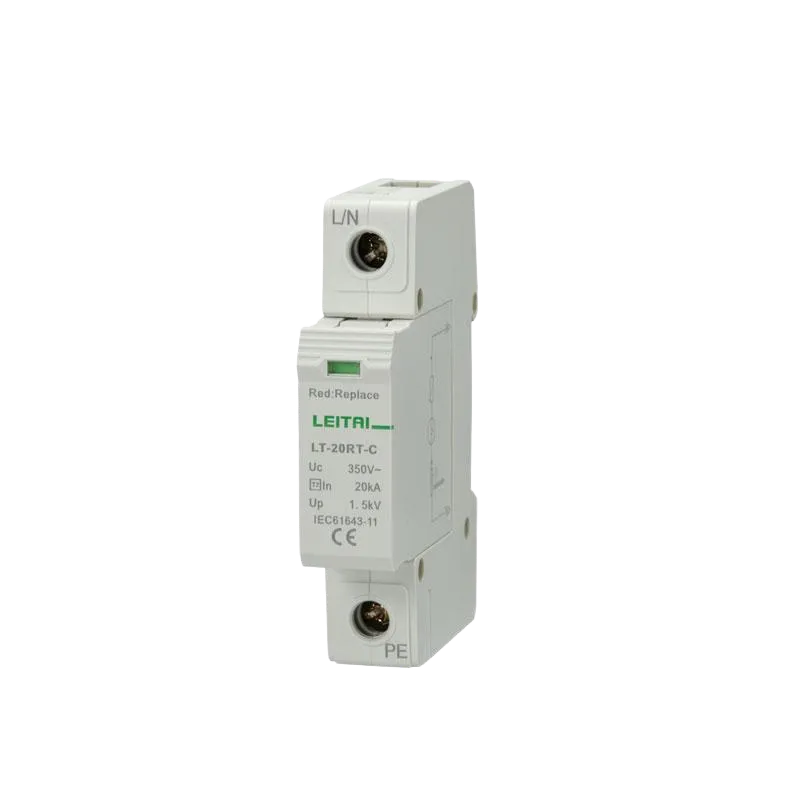
The LT-20 is a 10kA Type 2 SPD for final distribution boards, rated In 10kA and Imax 20kA in the same 18mm body as the LT-40. It is specified where the load is light and the board sits behind an upstream Type 2 stage, so the full 40kA duty is already covered and a smaller element is the proportionate choice.
Type 2 SPD 10kA for Final Distribution Boards
Ten kA Where the Load Is Light
A single ring main feeding thirty sockets does not need the same discharge path as a transformer incomer, and oversizing the device only buys a wider module and a higher residual voltage window. The LT-20 is matched instead to the fault energy of a final board: 10kA nominal, 20kA maximum, on an 18mm body.
The Same Body as the LT-40
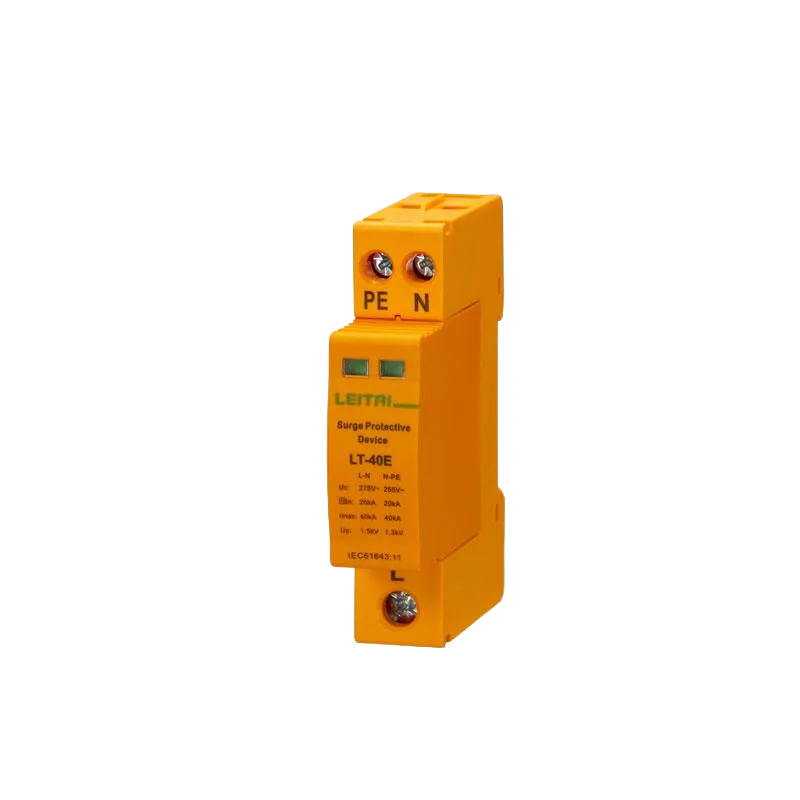
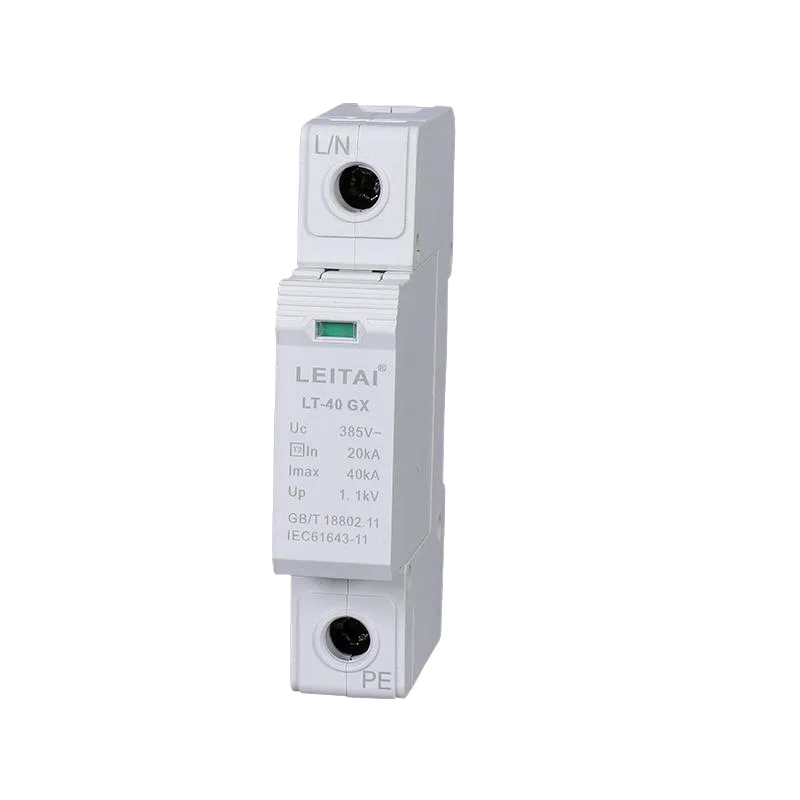
Both ratings share one housing, one busbar set and one terminal layout, so a board that outgrows its protection can be re-rated from LT-20 to LT-40 without touching the DIN rail cut-out, the cable lengths or the panel drawing. Only the module label changes.
Voltage Codes That Follow the System
Four continuous operating voltages cover the usual distribution arrangements: 275V for nominal 230V single-phase work, 320V for 277V supplies, 385V for common European three-phase boards and 440V for installations where a high Uc window is required. Each code carries its own residual voltage level.
Designed to Sit Behind Stage 1
In a two-stage design the LT-20 is the second device, installed at the sub-board with 8 to 16mm² leads and a short return to the earth bar. The co-ordination gap that matters is the cable length between stages, not the model number, and the guide below covers how to check it.
Specifications
| Series | LT-20 AC surge protective device |
|---|---|
| IEC classification | Type 2 / Class II, tested to IEC 61643-11 |
| Maximum continuous voltage Uc | 275 / 320 / 385 / 440 VAC (four codes) |
| Nominal discharge current In | 10 kA (8/20 µs) |
| Maximum discharge current Imax | 20 kA (8/20 µs) |
| Voltage protection level Up | ≤1.4 kV (275V) to ≤2.2 kV (440V) |
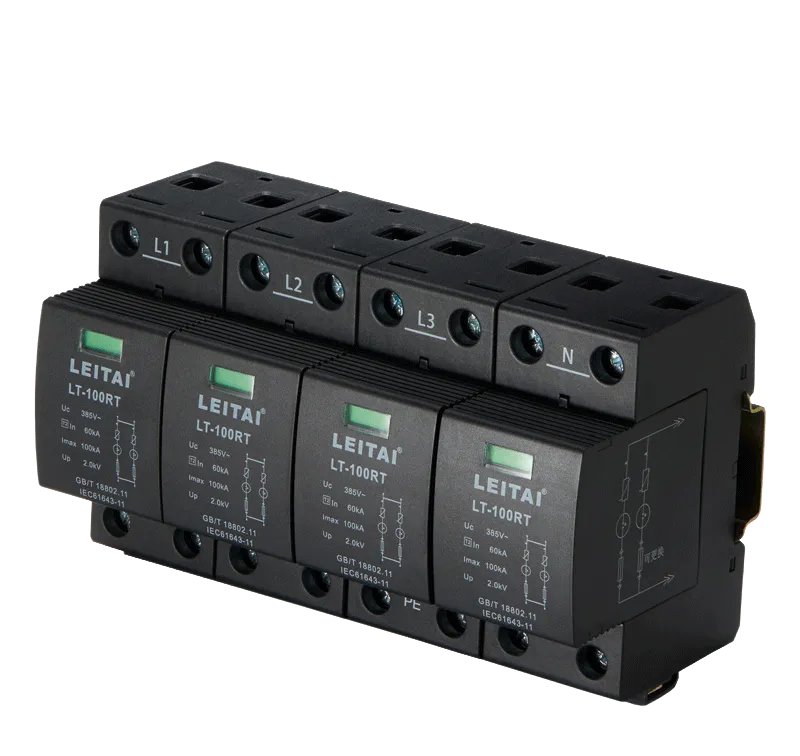
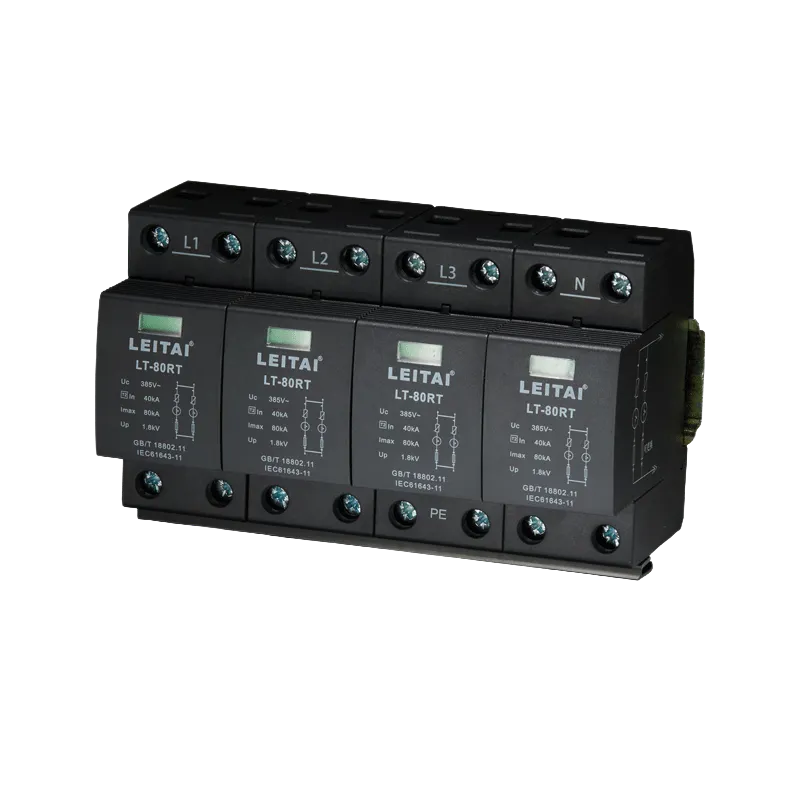
| Configurations | 1P, 1P+NPE, 2P, 3P, 3P+NPE, 4P |
| Module width | 18mm per pole — 72mm for the 4P version |
| Mounting | 35mm DIN rail to EN 60715, any orientation |
| Connection | screw terminals, rigid or flexible conductor |
| Status indication | mechanical flag per pole, thermal disconnector built in |
| Related models | LT-40 (same body, 20/40kA), LT-40N (double terminal), LT-10C (Type 3) |
Reading the LT-20 specification
A 10kA In rating is not a downgrade of the 40kA device; it is a different position in the chain. Where a main board already carries a Type 2 arrester, the final board sees a reduced let-through and a smaller element handles the residual. Fitting a 40kA unit there adds cost and width without changing the protection level at the terminals.
Because the body and terminal geometry match the LT-40, a drawing can start with this device and move up to 20/40kA on the same rail length if the upstream stage changes. The Uc codes are the same four: 275, 320, 385 and 440V.
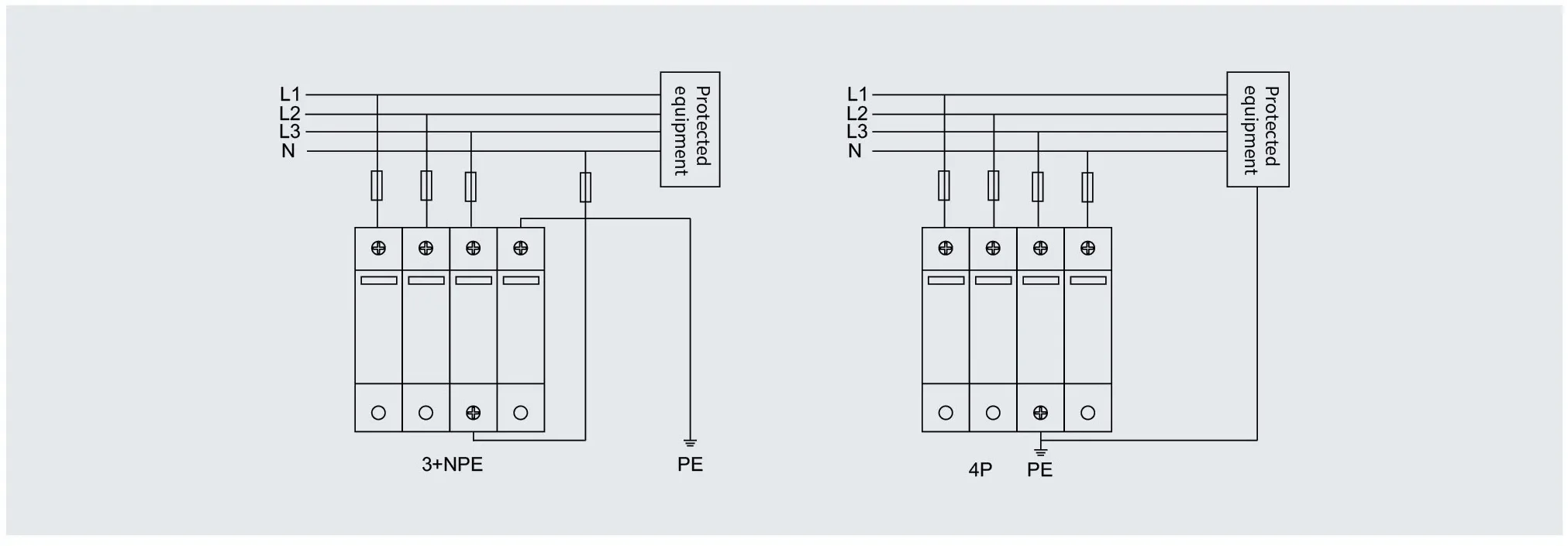
Wiring Diagram & Connection
The LT-20 is connected in parallel with the outgoing way it protects. Tap it from the busbar side of the main switch so the surge current never has to travel through a residual current device on its way to earth.
LT-20 — A Final-Board Device, Not a Shrunk Main Device
There is a habit in panel building of specifying the largest surge protector that fits and using it everywhere, on the theory that more discharge capacity cannot hurt. It can: the clamping voltage of a big varistor stack is usually higher at the same current, the module occupies two or three times the rail space, and the device is then asked to protect circuits that a 10kA path handles comfortably. The LT-20 exists for the other end of that decision.
Because it shares its moulding with the LT-40, the practical benefit is continuity of design rather than novelty. A retail chain rolling out identical sub-boards across forty sites can specify one enclosure, one cut-out and one cable schedule, then select 10kA or 20kA per site according to the transformer size and the length of the incoming feeder. The spare-parts list stays short and the panel drawing does not fork.
Factory-Direct OEM / ODM Manufacturer
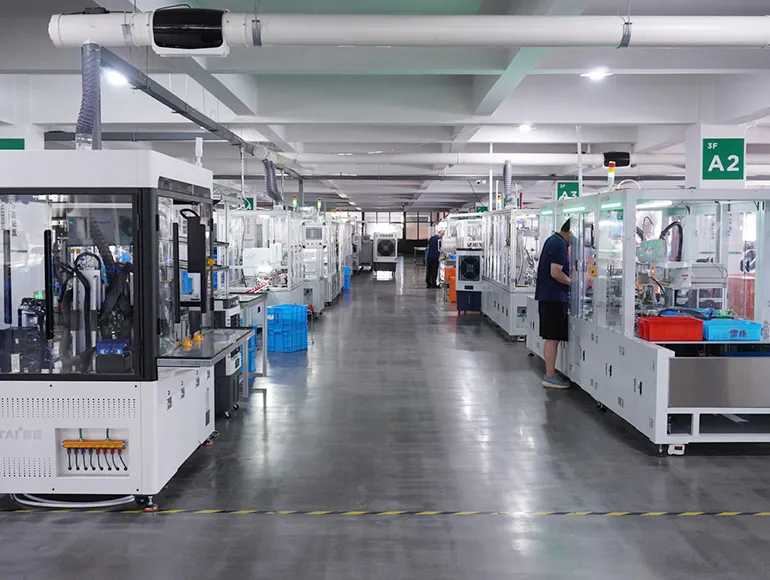
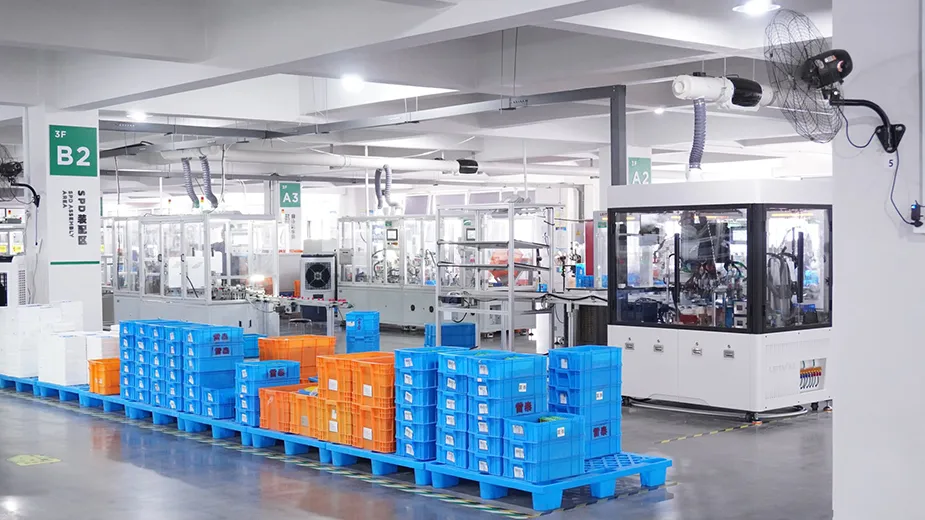
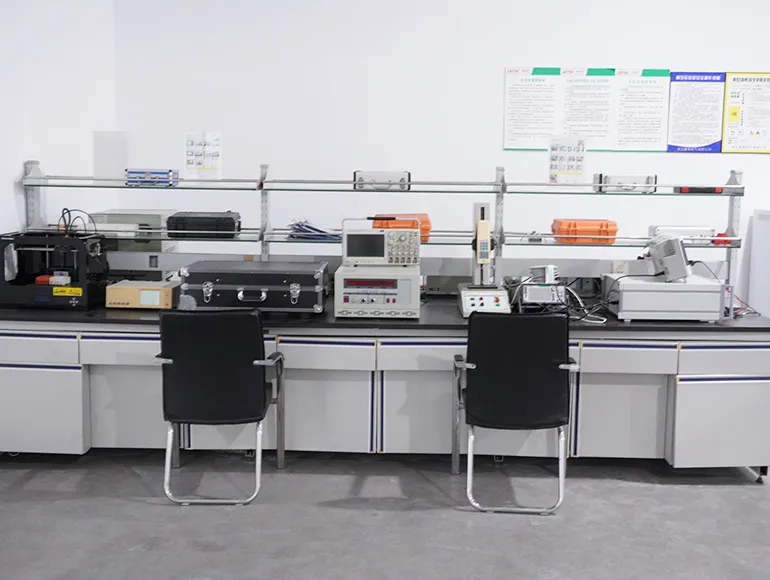
Tooling We Own, Standards We Follow
IEC 61643-11 platform · 250kA test station · OEM and ODM programmes
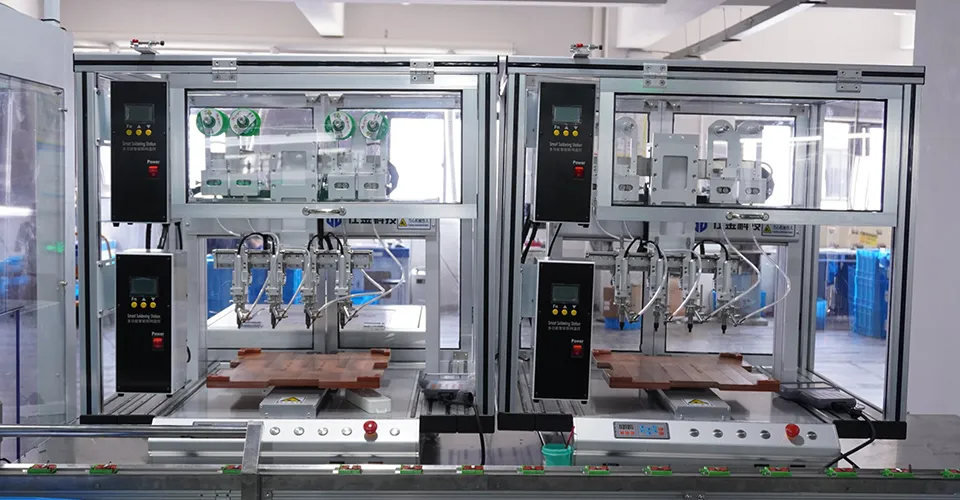
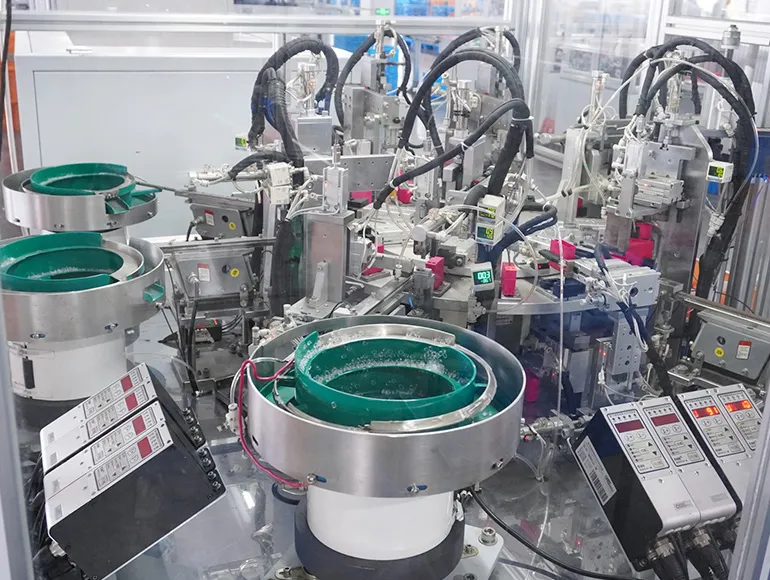
The modules on this page share a platform that has already passed type testing, so a variant order inherits that evidence instead of starting again. Manufacturing sits beside the laboratory, which is how we can verify a change before it enters a customer’s catalogue. Browse the rest of the range on Type 2 SPD range.
- Design control — drawings, BOM and test limits held under one quality system.
- Lab access — impulse and residual-voltage checks run before a variant is released.
- Branding — plate printing, laser marking and carton artwork prepared from your files.
- Order size — sample lots, LCL and full containers all quoted from the same line.
Buying Guide
- Confirm the system voltage and earthing arrangement; a 230/400V TN-S board normally takes the 275V or 385V code.
- Decide the pole layout from the conductors that reach the board — 1P+NPE for single-phase with a separate neutral, 3P+NPE for four-wire three-phase.
- Measure the free rail space; at 18mm per pole a 4P device needs 72mm plus clearance for the leads.
- Keep the lead from the SPD to the earth bar under 0.5m where possible, and bond the board earth bar to the main earthing terminal.
- Order the corresponding backup protection or a dedicated SPD disconnector for boards where the incoming device is rated above the SPD’s withstand.
Where the LT-20 is the wrong choice
It should not be the only Type 2 device in an installation that has no upstream protection — at a main board the full induced surge arrives, and a 10kA element is undersized. Use the LT-40 there. It is also not a Type 3 device, so equipment-level protection still has to be considered separately.
How We Support Your Business
OEM / ODM
Housing colour, pole count, voltage window, alarm contact and retail packaging built on our standard SPD platform — your logo on the front, your reference on the side.
Custom marking · Private label · Own artwork
Wholesale
Factory-direct pricing with a per-item MOQ, mixing SPD models and backup protectors in one container for importers, panel builders and catalogue sellers.
Factory pricing · Mixed models · Container loading
Distributor Support
Account management, local voltage and standard advice, plus priority production slots for partners building an SPD range in their market.
Account manager · Market advice · Priority slots
Ready to Order the LT-20?
Send us the board schedule, the system voltage and the pole arrangement and we will return a quotation with the exact LT-20 codes, the matching backup protection and a dimension drawing for the enclosure.
Frequently Asked Questions
What is a 10kA Type 2 SPD used for?
It protects final distribution boards downstream of a main-board Type 2 device, where the surge has already been reduced. It is not intended as the only Type 2 protection in an installation.
Can I use the LT-20 instead of the LT-40?
Only where an upstream Type 2 device exists. At a main board with no upstream protection, the 40kA unit is the correct rating.
Do the LT-20 and LT-40 share accessories?
Yes. They use the same 18mm body, terminal arrangement and base heights, so the busbar and enclosure do not change when the rating changes.
How long should the connecting leads be?
As short as the layout allows, and ideally under half a metre from the phase terminal and from the earth terminal to the earth bar. Extra lead length adds inductive volt drop during a surge, which shows up as a higher effective protection level at the equipment.
Does the LT-20 need a separate backup fuse?
The module has a thermal disconnector for end-of-life failure, but it still needs short-circuit backup sized to the prospective fault current of the board. A dedicated SPD disconnector such as the LT-SSD range is the cleaner option where nuisance tripping of a general MCB is a concern.
Can the LT-20 be supplied with a remote signal contact?
The standard module indicates status visually. Where a building management system needs a volt-free signal, specify the LT-40 slim version with the YX suffix, which carries a remote contact as standard.


Reviews
There are no reviews yet.