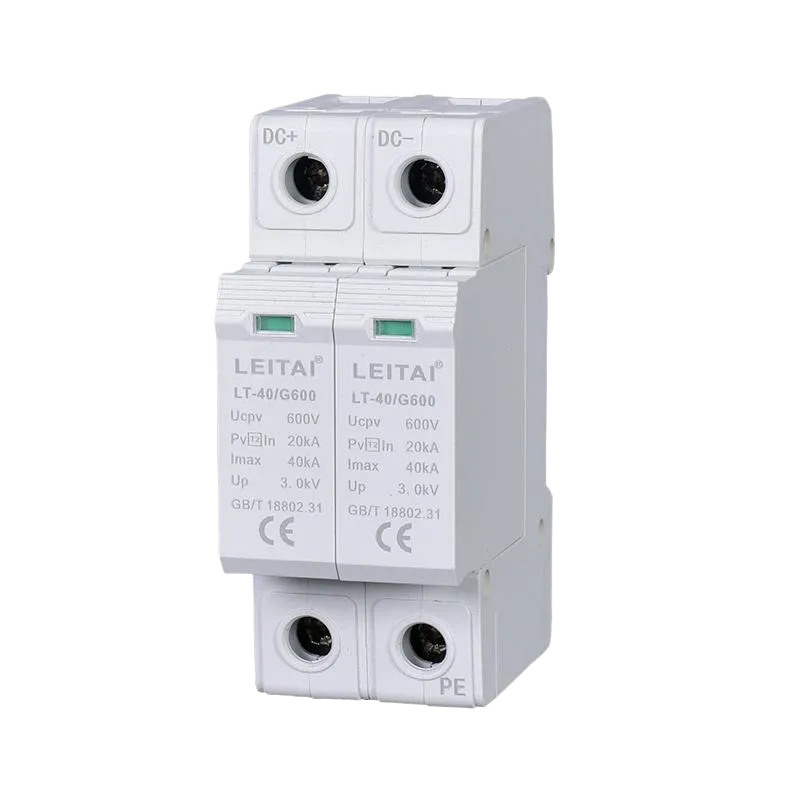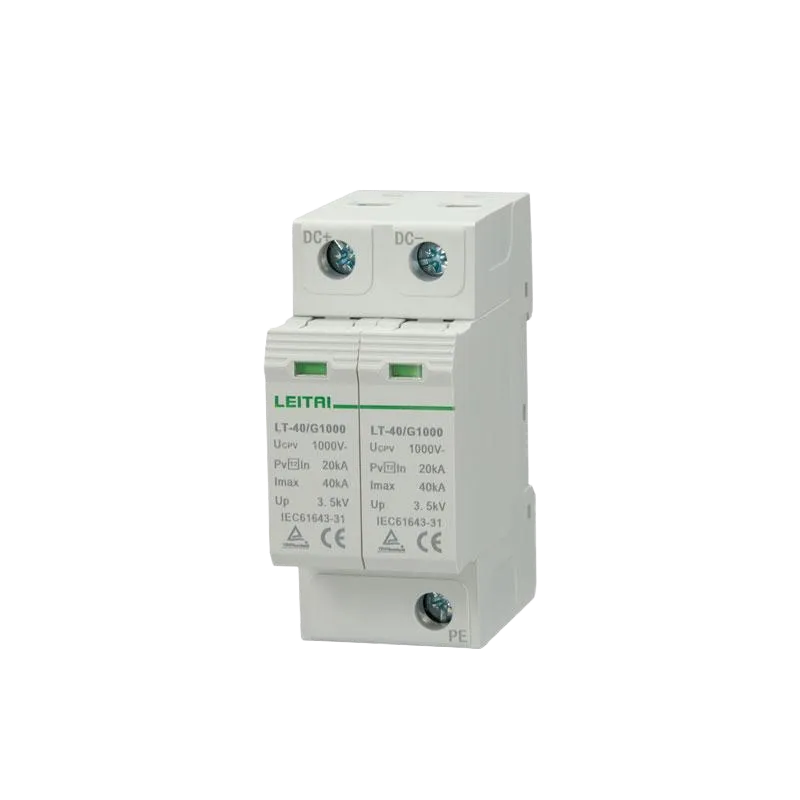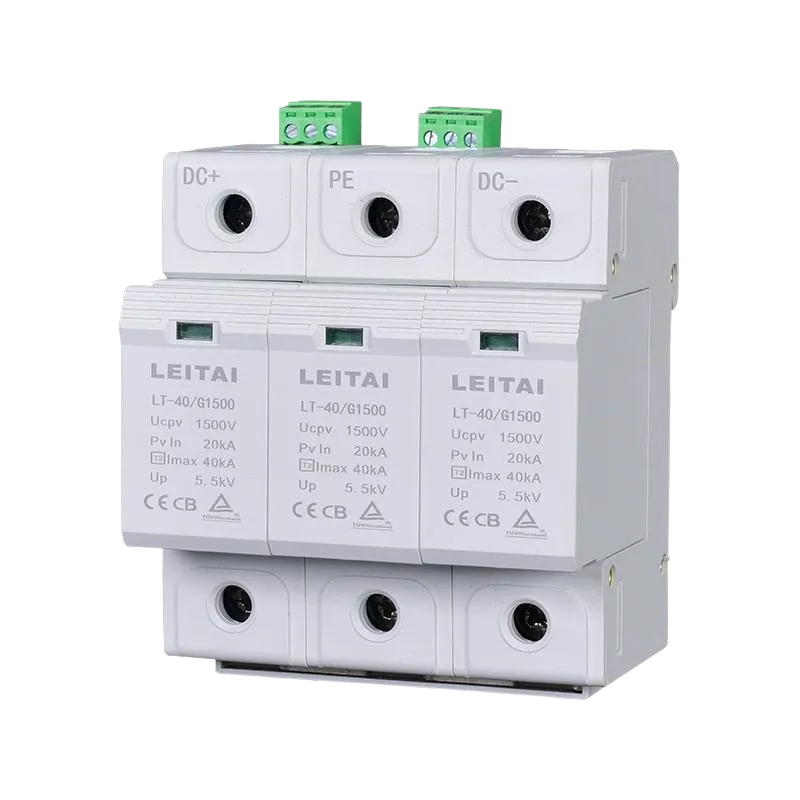

Did you know that an invisible electrical surge can instantly damage a high-value solar energy system? Such a surge—a sudden, brief, and excessively high voltage—can wreak havoc on your equipment.
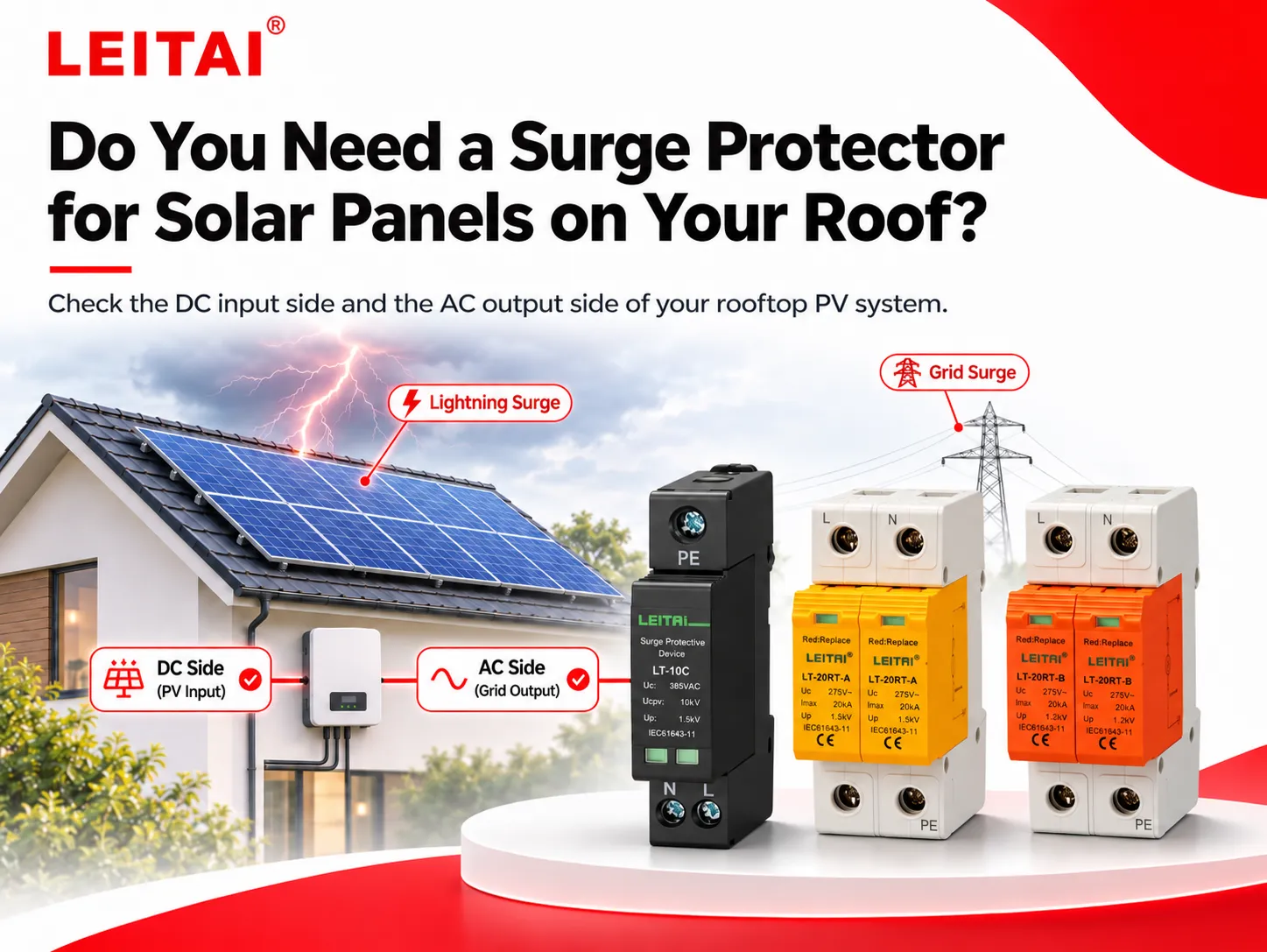
Surges typically enter a system via two primary paths. The first is lightning: even if a lightning strike does not hit your solar installation directly, a nearby strike can induce high voltage in the electrical wiring, which is then conducted to the inverter. The second path is through the power grid; any irregularities in the grid can affect the inverter via the alternating current (AC) side.
Therefore, before equipping your solar installation with surge protection devices, your procurement team must identify exactly where the “DC-to-AC” conversion takes place within your system. This information determines which lines require protection and which type of surge protection device should be selected.
In short, installing a surge protection device (SPD) for a rooftop solar system is a necessary safety investment, and it is quite affordable. If you are using a string inverter, you should check both the DC input side (near the PV panels) and the AC output side (on the household side). If you are using microinverters, you need to check the AC lines running from the roof to the combiner box or electrical distribution panel.
What does a SPD safeguard in photovoltaic systems?
Simply put, it acts as a “pressure relief valve” within the circuit. When a surge reaches a dangerous level, the SPD intercepts it or diverts it away from downstream equipment, thereby preventing damage to system components.
However, the installation location of an SPD depends on the type of inverter used in the solar energy system.
It is also important to note that surges travel along electrical conductors until they reach the connected equipment. This means that the DC side and the AC side of a system represent two separate lines of defense, both of which must be protected individually.
| System layout | Where to review protection | What to verify |
|---|---|---|
| String inverter | PV DC input or DC combiner, plus the inverter AC output or associated panel | Maximum PV string voltage and any AC or DC protection already inside the inverter |
| Microinverters | AC branch circuits from the roof and the AC combiner or distribution panel | The AC circuit rating and the microinverter manufacturer’s guidance on external surge protection |
| Off-grid system with a charge controller | PV input of the charge controller, with a separate review of battery and inverter circuits | PV input voltage, battery circuit voltage, and the equipment manufacturer’s instructions for each circuit |
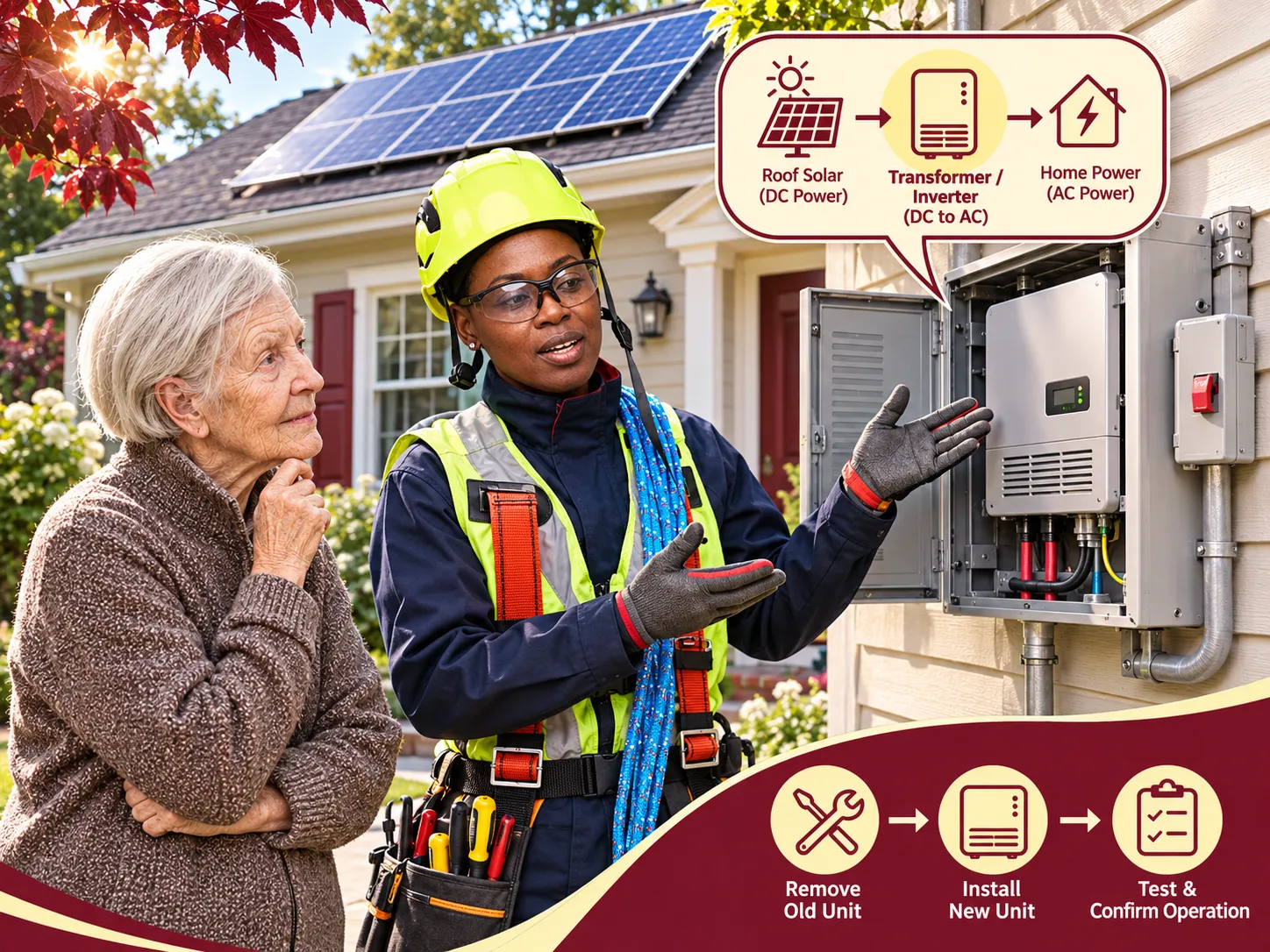
In systems using microinverters, each solar panel is paired with its own microinverter, which converts DC electricity into AC electricity directly on the roof. This distinction is significant because DC and AC currents possess different characteristics and require different handling methods. Therefore, it is crucial to select a surge protective device that matches the type of current present in the circuit.
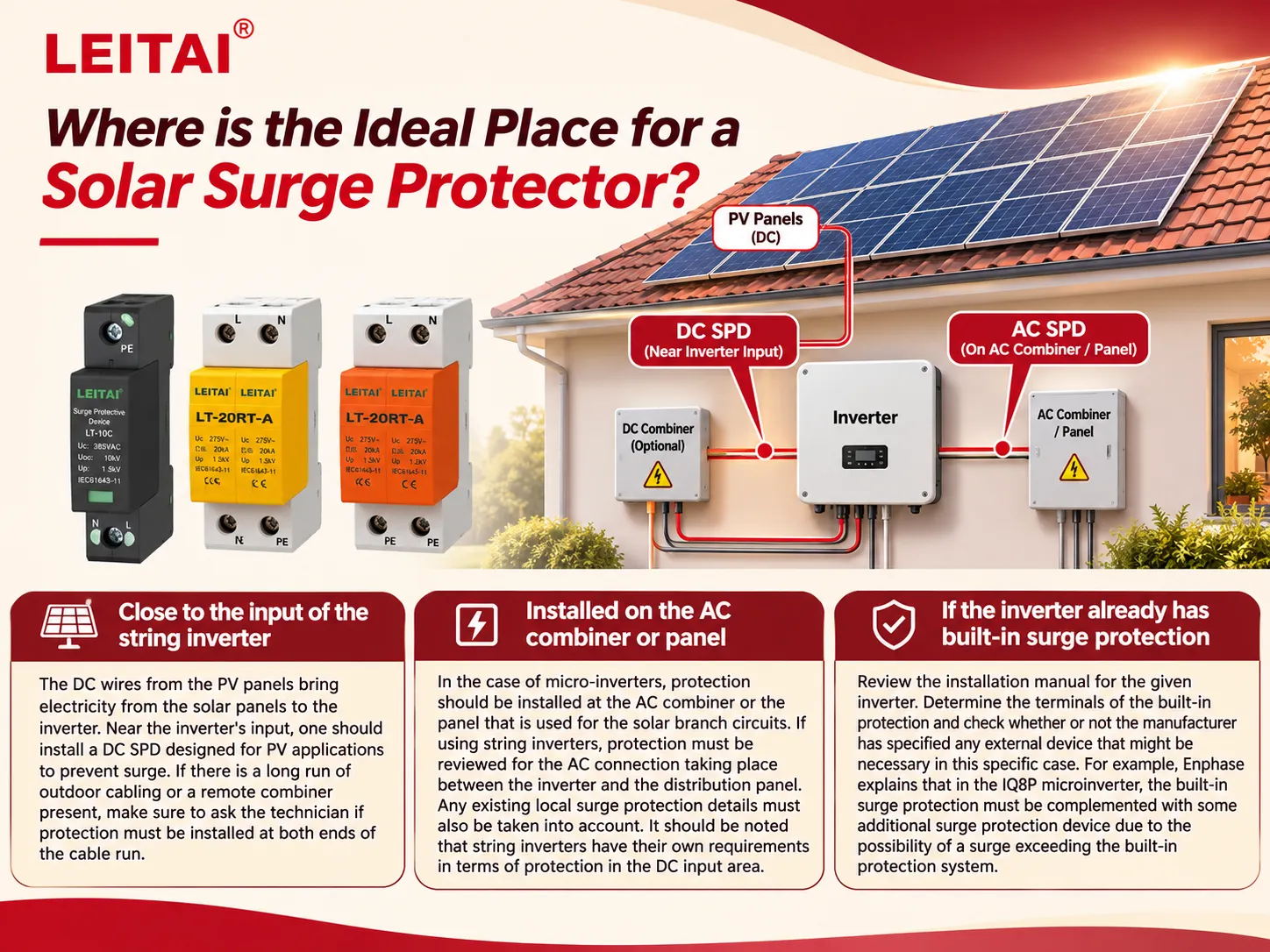
Where is the Ideal Place for a Solar Surge Protector?
Close to the input of the string inverter
The DC wires from the PV panels bring electricity from the solar panels to the inverter. Near the inverter’s input, one should install a DC SPD designed for PV applications to prevent surge. If there is a long run of outdoor cabling or a remote combiner present, make sure to ask the technician if protection must be installed at both ends of the cable run.
Installed on the AC combiner or panel
In the case of micro-inverters, protection should be installed at the AC combiner or the panel that is used for the solar branch circuits. If using string inverters, protection must be reviewed for the AC connection taking place between the inverter and the distribution panel. Any existing local surge protection details must also be taken into account. It should be noted that string inverters have their own requirements in terms of protection in the DC input area.
If the inverter already has built-in surge protection
Review the installation manual for the given inverter. Determine the terminals of the built-in protection and check whether or not the manufacturer has specified any external device that might be necessary in this specific case. For example, Enphase explains that in the IQ8P microinverter, the built-in surge protection must be complemented with some additional surge protection device due to the possibility of a surge exceeding the built-in protection system.
How to Choose the Right Surge Protector for Solar Panels
You do not need to be an expert in electrical calculations to select a surge protective device (SPD). The key is to request two documents from your installer: a single-line diagram of the system (a schematic showing how the entire system is wired) and the maximum string voltage calculated by the installer (the highest voltage that can be reached when a series of solar panels are connected together). Once you have these documents, follow the four steps below to verify your selection.
Ⅰ. Confirm the circuit type: On the solar panel side, the system transmits direct current (DC), so you must choose an SPD specifically designed for photovoltaic (PV) DC applications. On the household side, the system transmits alternating current (AC); therefore, you must select an appropriate SPD based on the site’s specific wiring configuration and AC voltage level. DC and AC SPDs are not interchangeable.
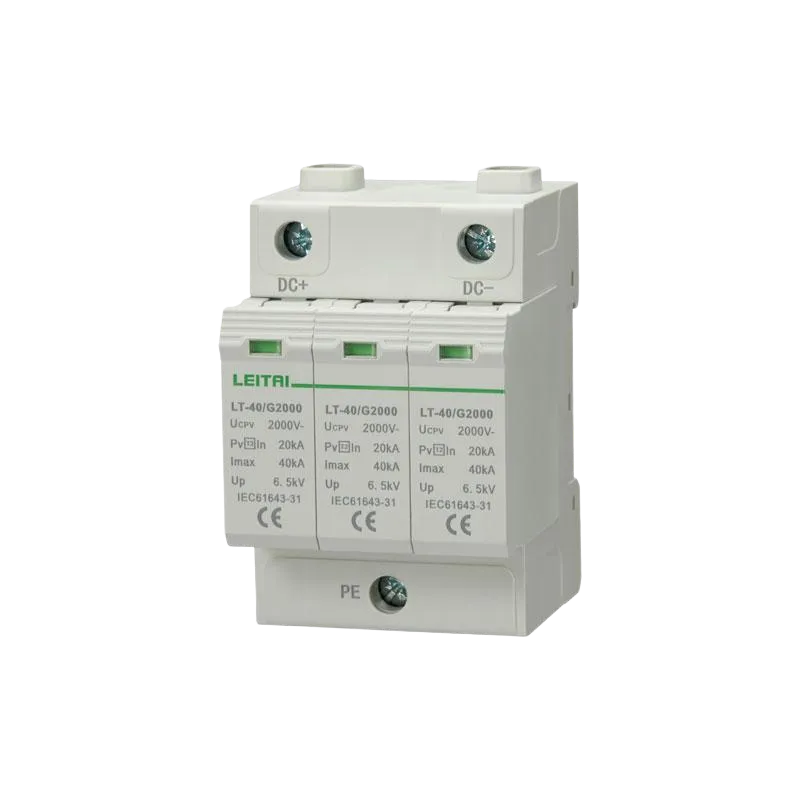
Ⅱ. Verify the maximum voltage in cold weather: Solar panels have a unique characteristic—their voltage increases as the temperature drops. Consequently, you must use the maximum open-circuit voltage (Voc)—the highest voltage a solar panel can reach when not connected to a load—calculated for the lowest expected temperature at the project site. This voltage must be lower than the maximum allowable value specified on the SPD’s datasheet (the UCPV rating, which is determined according to IEC international standards). Additionally, the installer must account for any other factors that could potentially cause the voltage to rise.
Ⅲ. Check other key parameters: The SPD’s fault current rating must be sufficient to withstand any fault currents that could occur at the site. Furthermore, ensure that the grounding method meets all requirements, and determine—based on the manufacturer’s specifications—whether an additional overcurrent protection device (such as a fuse) is necessary to prevent excessive current.
Ⅳ. Determine the optimal installation location: The wiring for the SPD should be as short and straight as possible. Longer wires or excessive bends increase voltage loss during a surge event, which diminishes the device’s protective effectiveness. A qualified installer should select an installation location as close as possible to the circuit being protected to ensure the best performance.
For example: Under standard test conditions, the maximum voltage of a string of solar panels might be 490 V, but in cold weather, it could rise to 540 V. If the DC continuous rated voltage of the surge protector you have selected is only 500 V, it is unsuitable, as it cannot withstand 540 V. The correct approach is to use 540 V as a baseline and then incorporate an appropriate safety margin when selecting a suitable model.
Frequently Asked Questions
Do solar panels need a surge protector?
Yes, surge protection devices should be installed—especially in areas prone to thunderstorms, or where the solar installation is located on a roof, in an open field, or in any other spot susceptible to lightning strikes. Adding such protection significantly reduces the risk of damage to equipment like inverters and combiner boxes caused by lightning.
What is the 20% rule for solar panels?
This typically refers to a design practice for residential photovoltaic (PV) systems where the installed capacity is set 20% higher than the household’s average monthly electricity consumption. This extra margin helps account for cloudy or rainy days, seasonal variations, and potential increases in future energy usage. For example, if a household consumes an average of 1,000 kWh per month, this rule suggests designing a system capable of generating 1,200 kWh.
Note that this rule is merely a guideline for estimating system capacity—it is not a rigid standard, and it is entirely separate from the 20% photoelectric conversion efficiency rating of the solar panels themselves.
How to prevent lightning strikes on solar panels?
If solar panels are installed on a rooftop already equipped with a lightning protection system—and the panel frames meet the relevant specifications—the metal frames can serve as air terminals (lightning receptors) by connecting them directly to the building’s existing lightning protection infrastructure.
If the installation site lacks a lightning protection system, you must first install down-conductors and a grounding system, then connect the metal frames of the photovoltaic (PV) array to these down-conductors.
When should you not use a surge protector?
When the device’s specifications do not match the application—for instance, if the voltage protection level or the maximum continuous operating voltage is too high. Furthermore, in the context of solar PV systems, standard AC SPDs cannot be used directly in DC circuits.
References
- CITEL – Surge Protection for Residential PV
- Enphase – IQ8P Microinverter Installation and Operation Manual
- IEC 61643-31 – Requirements and Test Methods for PV Surge Protective Devices
- IEC 61643-32 – Selection and Application of PV Surge Protective Devices
- Phoenix Contact – Fundamentals for Surge Protection and SPD Placement in PV Systems
- Phoenix Contact – Example PV SPD Datasheet and Continuous Operating Voltage
- VeraSol – Off-Grid Solar Design Guidelines and Maximum PV String Voltage
- Schneider Electric – SPD Lead Length and Wire Routing
- NYSERDA – The 120% Rule for Solar Interconnections
- National Weather Service – Lightning Rods and Surge Protection
- Benlong Automation – Surge Protection Device (SPD) Automatic Production Line
Conclusion
Before ordering surge protective devices (SPDs), consult with your installer to identify the location where direct current (DC) is converted to alternating current (AC), and to determine which circuits are already equipped with surge protection. For outdoor installations, request the calculated open-circuit voltage (Voc) for exposed photovoltaic (PV) string circuits under low-temperature conditions to facilitate assessment. These details will help you establish the precise equipment ratings required and allow the installer to verify the suitability of the intended installation locations.