
The city of Syracuse lies in one of the areas of the United States with the least amount of lightning activity. Central New York has very few thunderstorm days compared to some states like Florida and Oklahoma, which has an influence on the answer to the question “is a whole-home surge protector a good idea in this area?”.
However, despite the above, other factors still contribute to the answer. In particular, Onondaga County has a great number of houses built in the period of 1920-1960, and houses situated in there have old electricity distribution systems. In addition, the climate in the county is wet and characterized by its freeze-thaw cycles.
In brief, installing a surge protector for your house will cost anywhere from $200 to $800, with $300 being the average cost for a Type 2 surge protector. While you can buy the surge protector device for about $60 to $300. New York only began enforcing the 2023 NEC on December 31, 2025, which includes the NEC requirement 230.67 that says surge protective device is a must for dwellings. The new rule applies to every new and replaced electricity service. Several electrical contractors operate in Syracuse including Palmer Electric, Home Power Systems and Nova Electric, but bigger commercial contractors like O’Connell, Schuler-Haas, and Kasselman are also operating on the Syracuse market.
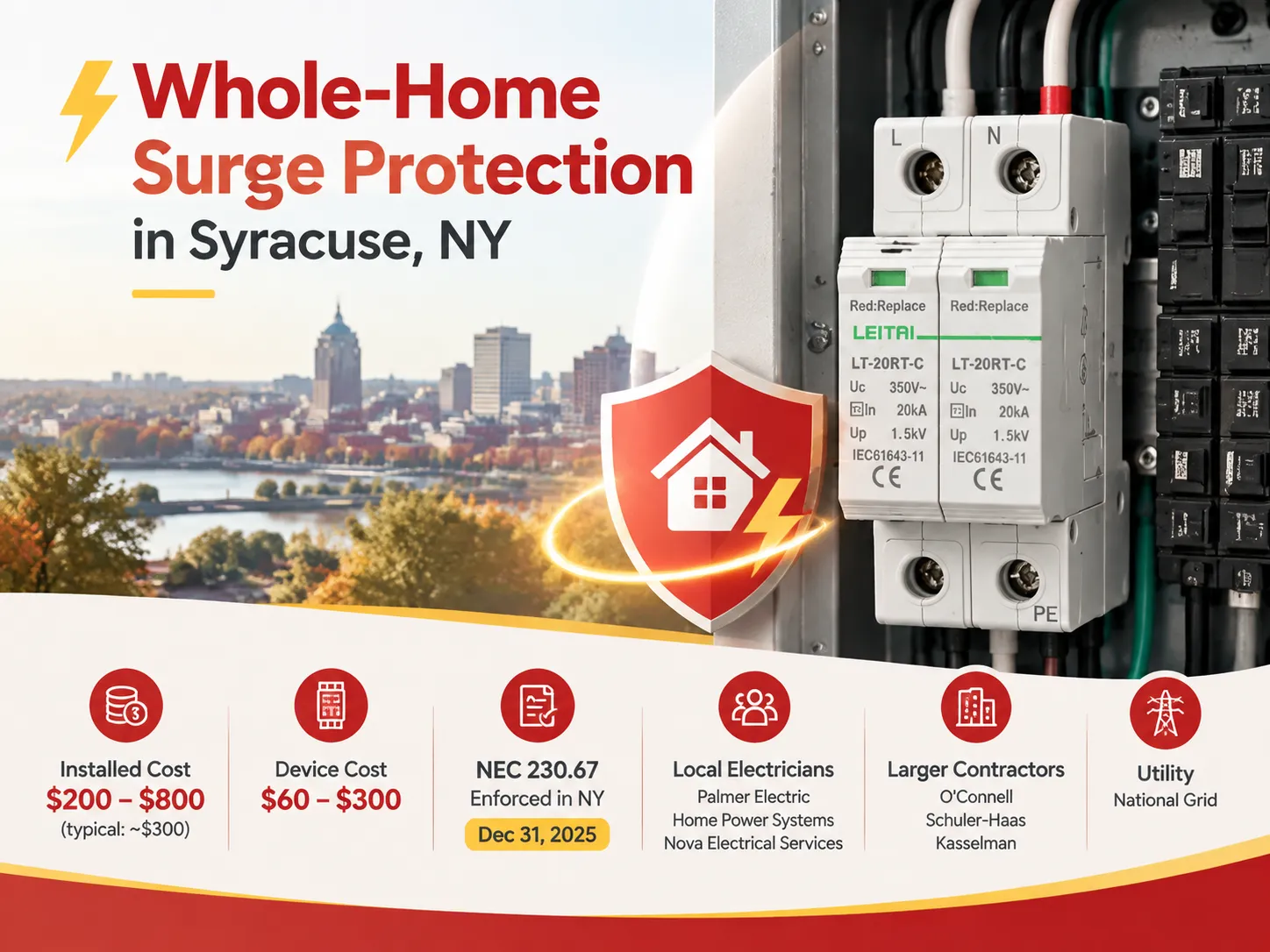
The Short Version for a Syracuse House
Purchase a Type 2 device with a rating of 40-80 kA per phase, with a visual alarm and 700 V line-to-neutral VPR. The goal of this unit is to place it as close to the breaker as possible. Cost: $300. After that you need to obtain point-of-use strips for the television set, home office and any other device with a control board, as the main unit restricts the voltage to no more than 700 V.
In the event of a service or panel change in the year 2026, this item will be compulsory as part of the permit. In case there is no work with the service, this device can be installed at your discretion.
Why Central New York Is Not a Zero-Risk Market
People should not be worried about lightning alone; there are more important issues to focus on.
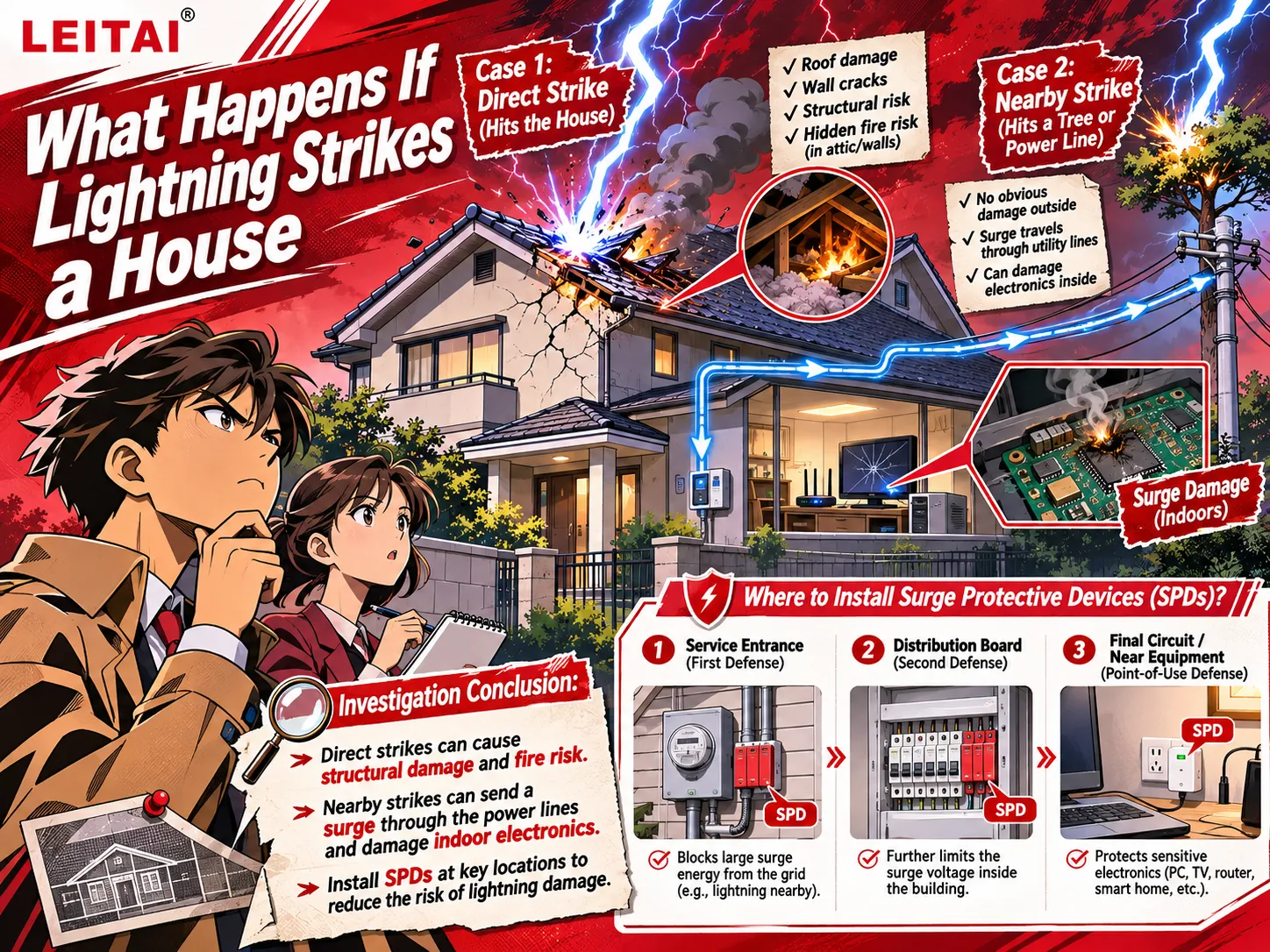
- Overhead distribution combined with trees. Older neighborhoods around Syracuse are equipped with overhead lines that cross the tree canopy. If a branch touches a phase, the resulting switching surge affects every service supplied by the transformer, and this happens multitudes of times every year.
- Utility switching of capacitor banks. National Grid operates capacitor bank switching whenever loads change. Each switch action causes a change that travels as a transient. The resulting event is small and frequent, which contributes to a gradual degradation of metal oxide varistors.
- Domestic surges. Appliances (like furnaces and pumps) turn off inductive loads inside the house, causing a transient surge in wires of the installation. In a town where sump pumps can work for months, there are a lot of switching events.
- Old installations. Houses installed in 1950s come with a lot of joints that have high impedance compared to new installations. The ratio of yellowing to voltage increase in this case is high; hence even small transients can cause a significant increase of voltage.
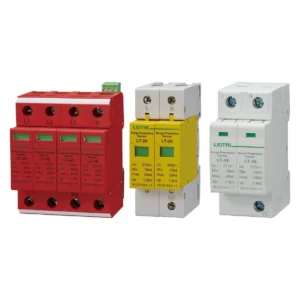
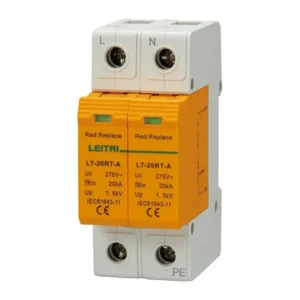
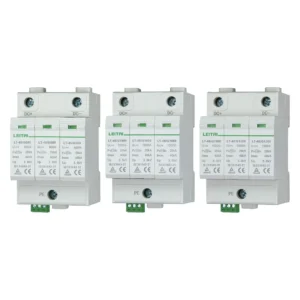
Generally speaking, it is required to use high-energy devices of Type 1 or Type 2, which have a certain kA rating and are equipped with a changeable or monitored cartridge. A typical service-entrance unit for this duty is described in this Type 1 surge protective device rated 25 kA per pole, which is the class of product a Syracuse service upgrade would use.
What New York Now Requires
The changes are brand new, and homeowners as a whole are still unaware of them.
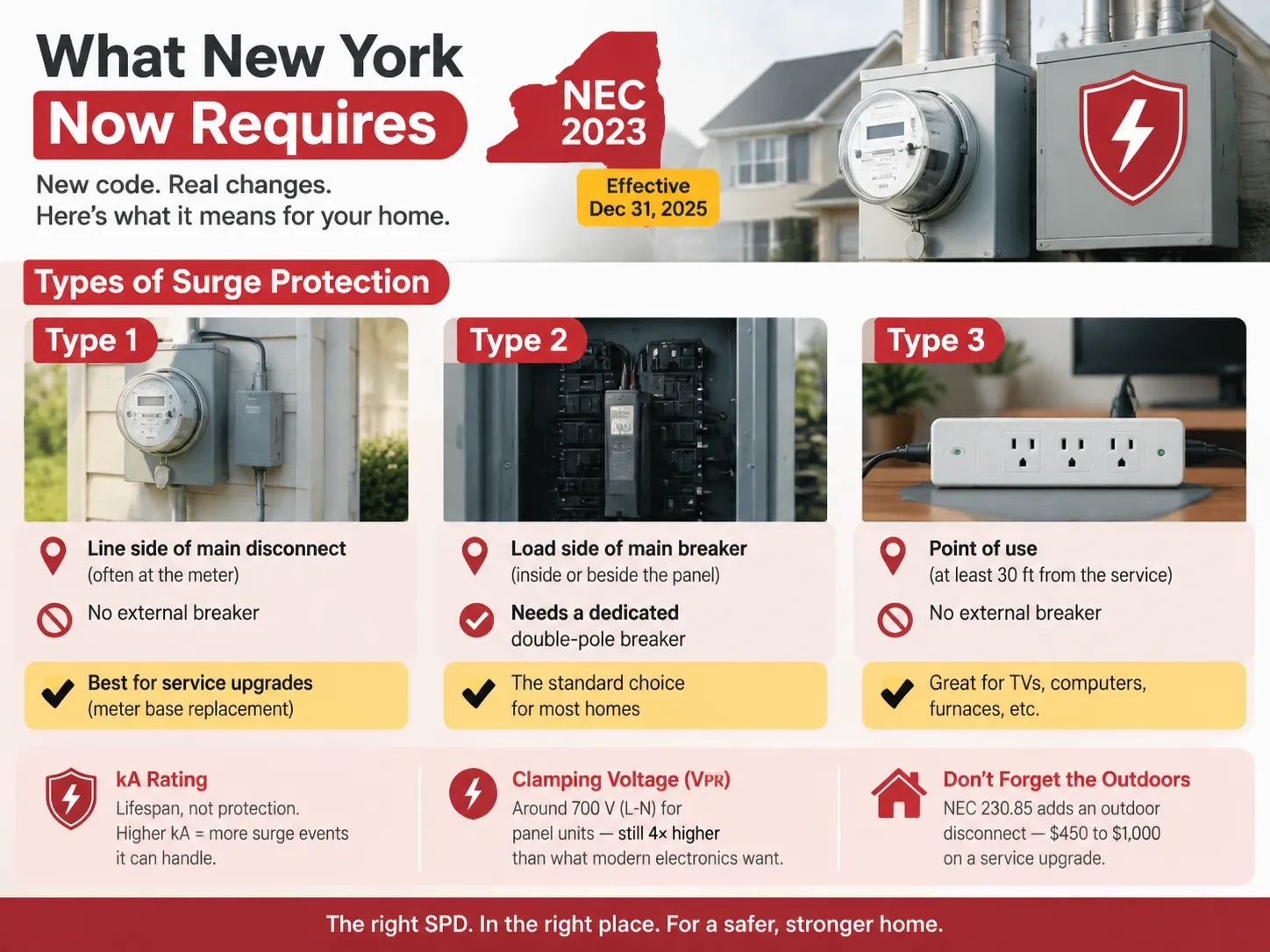
New York has been governed by the National Electrical Code since 2017. The Uniform Fire Prevention and Building Code took over from the 2020 edition, mentioning the 2023 NEC as a reference that will go to effect on the 31st of December, 2025. All applications for building permits received on the said date and later must comply with the 2023 edition of the code, and permits obtained earlier can be executed according to the older code.
Why does it matter? Specifically, NEC 230.67 was included in the code in the 2020 edition, which meant that appliances had to have either Type 1 or Type 2 surge protective device installed inside the service equipment or just nearby. In this case, New York just skipped this code and it was not enforced since the year 2020.
Because of this fact, two things happen: any service replacement or panel upgrade that has a permit issued in Syracuse after 2026 will be sure to comply with this requirement and the inspector will definitely look for it.
Also, there is no retroactivity to existing services, meaning that even a service that was installed in 1995 will not automatically stop complying with the code.
This cycle also brought the outdoor emergency disconnect requirement described in NEC 230.85 that adds $450-$1,000 in a service upgrade. Thereby, make a budget that includes expenses for both services, as making two trips to have a service opened is much costlier than just making it once.
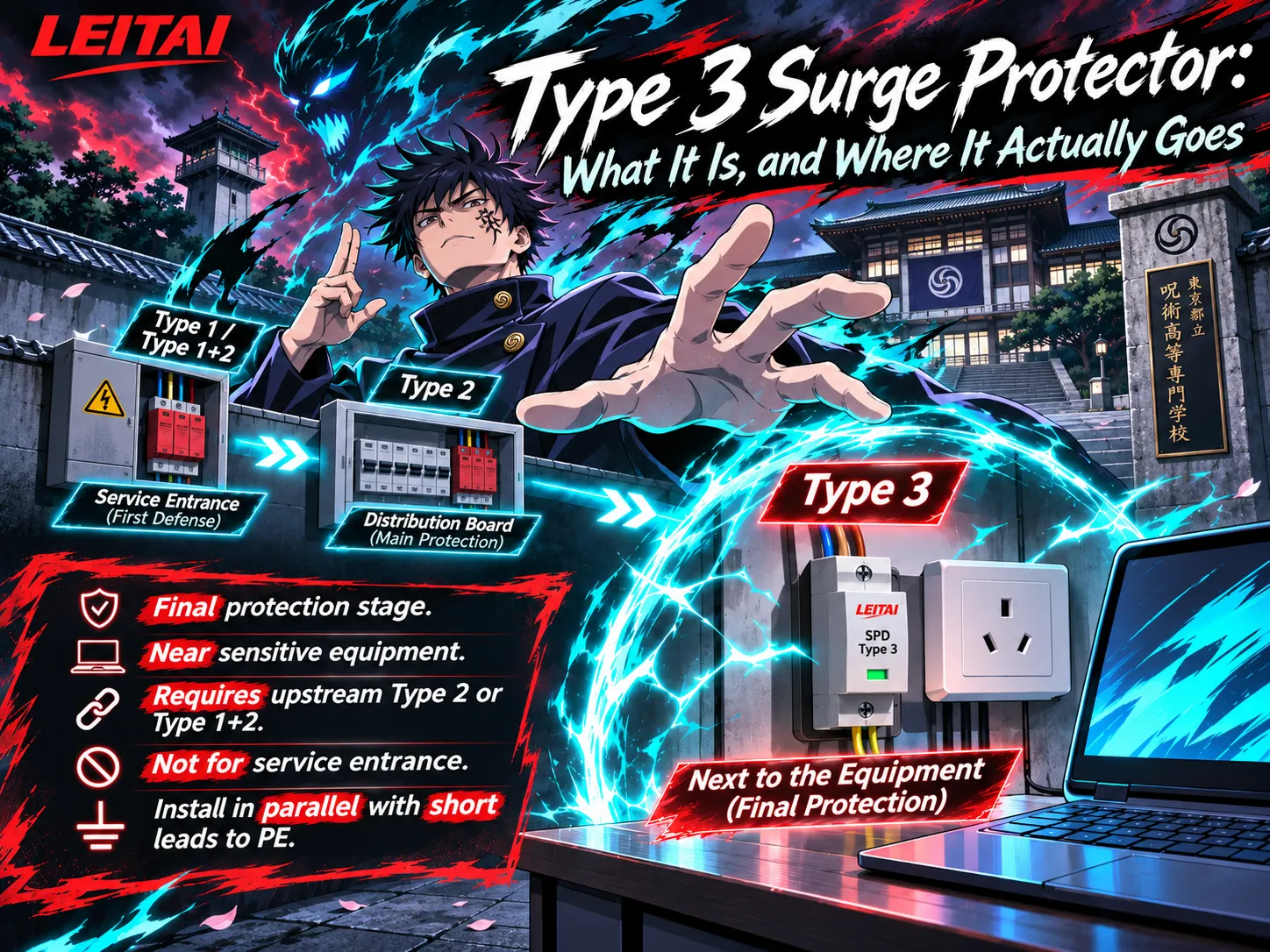
Type 1, Type 2 and Type 3 in Plain Terms
| Type | Where it connects | Needs a breaker? | Typical Syracuse use |
|---|---|---|---|
| Type 1 | Line side of the main disconnect, often at the meter | No, listed without external overcurrent protection | Service upgrades where the meter base is being changed |
| Type 2 | Load side of the main breaker, inside or beside the panel | Yes, dedicated double-pole breaker | The normal residential choice |
| Type 3 | Point of use, at least 30 ft of conductor from the service | No | Strips at the TV, office and furnace |
With either Type 1 or Type 2 meeting 230.67 for a residence, the real difference in operation is where the device is located and how much of an incoming transient is seen before the impedance of the main breaker is softened. A Type 1 device located at the meter sees more of the surge and protects the service wires. But the Type 2 device located inside the panel is easier to install, replace, and observe.
The kA rating is that which is made known in advertisements, and it is a lifetime rating; for instance, the 40 kA device and the 80 kA device will both clamp at nearly the same voltage, but the larger model will withstand more discharge surges before the varistors fail. In an area with little lightning but high switching like Syracuse, spending extra on kA rating is not as important as getting a surge device with low-clamping voltage and replaceable cartridges.
Hence, the most important value when it comes to protecting any appliance is the VPR rating. A residential unit can achieve a VPR of around 700 volts line to neutral at most. And that is still four times more than what most control circuits would see. That is why the surge protection device is not the only means of protection.
What a Whole-Home Unit Costs in Syracuse
| Line item | Typical range | What moves it |
|---|---|---|
| Type 2 device | $60–$300 | kA rating, VPR, monitoring, replaceable cartridge |
| Type 1 device at the meter | $150–$450 | Meter base configuration, utility coordination |
| Labour | $50–$130 per hour, 1–2 hours | Panel accessibility, breaker space, wire routing |
| Service call or minimum | $100–$200 | Whether the visit is combined with other work |
| Installed total, Type 2 | $200–$800, around $300 typical | All of the above |
| Permit | $50–$200 | Town or village fee schedule |
| Added during a panel upgrade | $150–$400 incremental | Electrician already at the panel |
There are two important points in this section. First, the permit line means something real in Onondaga County, but it varies from municipality to municipality, so a quote excluding it is not a complete quote. Second, when the panel is densely populated, the situation changes completely, as not having an available double-pole breaker means the use of either a tandem breaker, a subpanel or a device with a different form factor, all of which translates into way higher costs.
Nobody should be allowed to use the surge protector by double-tapping an existing breaker, because it harms the surge protector itself, the circuit and the rating. If there is no room for the breaker, it is a panel issue which needs to be reflected in the pricing.
Another very important point to consider before comparing the quotes is that the device has to be sized properly with regard to the service. What a 200 A service actually needs, in terms of kA and configuration, is covered in this guide to choosing a surge protector size for a 200 amp service, and it is a shorter calculation than most sales conversations suggest.
The Eighteen Inches That Decide Performance
Surge Protective Device is a switch that is used when the voltage exceeds a certain level, the main purpose of this is to direct current to the earth much quicker than the surge building itself. This responsibility is dependent almost entirely on the impedance of the pathway to reach the ground which consists of connecting leads.
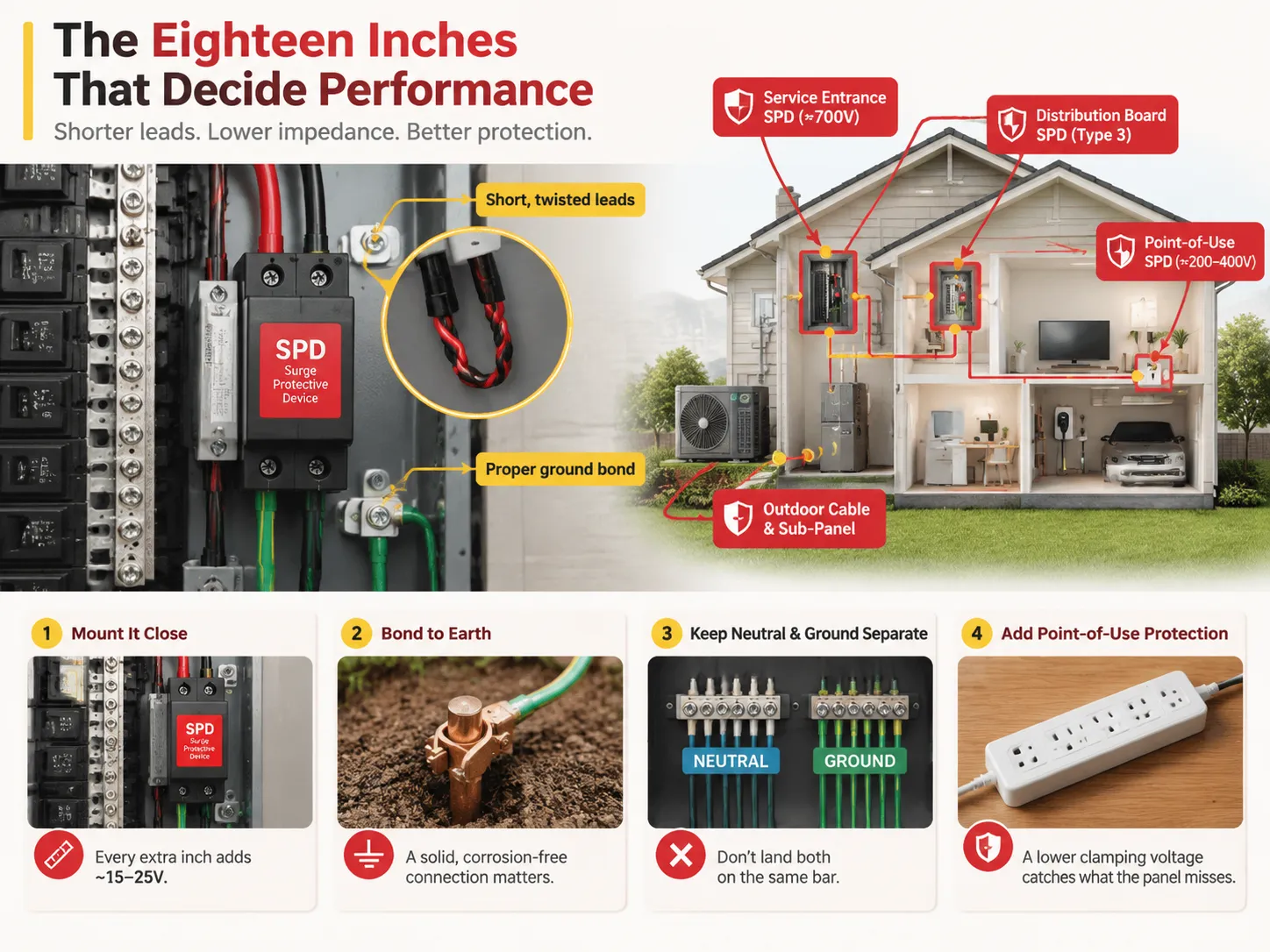
The length of the lead is the main variable. The extra length of every inch of the conductor from the device and the bus adds around 15-25 volt let-through voltage, hence the reason why the device installed on the other side of the panel does not perform as well as the device installed close to the main lugs. The instruction of the manufacturer where it is stated that the leads have to be as short as possible and twisted means not only neatness.
There are three aspects that distinguish correct installation from an ordinary one.
To install the device right against the panel and not across the basement. A device mounted on the wall three meters away but with a couple of long leads loses most of its performance.
Bonding the device to the grounding electrode properly. The surge should reach the ground and the path from the panel to the electrode is the integral part of the circuit. Loose clamp or corroded connection become the hindrance no device can overcome.
To achieve the neutrality and ground path so that they stay short and separate. Achieving this through connecting both paths either to the neutral bar which looks convenient since the ground is already full.
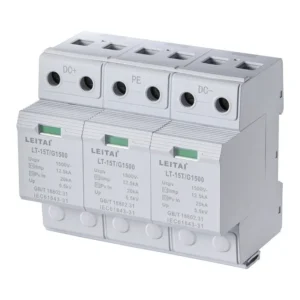
Whenever there is a change in the service equipment, an external disconnect provides a clear spot to install the device and isolate it for replacement without the need for removing the meter. The hardware for that arrangement is described in this surge protective device disconnect switch, and it is the detail that makes the second replacement easier than the first.
Layered Protection: Panel Plus Point of Use
The main hurdle for a panel surge protection device is that it clamps at approximately 700 volts. A modern electronic appliance circuit board can handle hundreds of volts. The difference in these two numbers is responsible for the fact that the panel device mitigates but does not completely eliminate damage from surges; hence, appliance manufacturers continue to advocate for the use of a surge strip.
The solution to this issue comes in layers that sit on equipment. A good point-of-use device has a much lower clamping voltage, also reacts to the remaining surge passed by the panel device, and costs between $20 and $150. A household with appliances like a furnace, heat pump, office equipment, and modern TVs should have a layer of point-of-use devices worth between $200 and $600 that would provide the remaining 30% of protection.
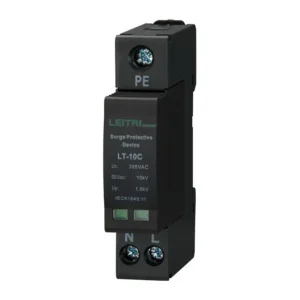
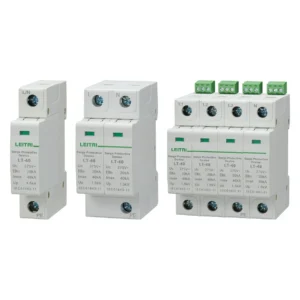
Unlike a surge device installed at the meter, the surge protector inside of a panel is a device designed for distribution board usage. It has a lower level of energy handling and a much lower level of clamping voltage so it can be used for a sub-panel or installed on a DIN rail. A device built for that duty is shown in this Type 3 surge protective device for distribution boards, and it is the right answer for a detached garage or a workshop sub-panel that the service device cannot see.
There’s another layer of property protection that often gets missed: items that are connected to outdoors cabling. This includes heat pump condensers, well pumps, electric vehicle chargers or detached garages, all of which require cabling to exit the home. These particular installations are actually vital components to the circuits on which the sub-panel device works effectively.
Who Does the Work in Onondaga County
Syracuse boasts a contractor pool that supports three separate entities focused on a unique job.
Residential support experts. Palmer Electric has been operating in Syracuse since 1989, possessing a master license, an A+ rating from Better Business Bureau and servicing the suburbs of Baldwinsville, Camillus, Cicero, Clay, Fayetteville, Liverpool, Manlius, Marcellus, and Skaneateles. Among its residential services, they carry surge protection and panel work.
Generator and power experts. Home Power Systems operates from Rochester, Buffalo, and Syracuse, being both a Generac and Kohler dealer and SPAN certified installer. They provide whole home surge protection that is included in a residential power offering, which is important when we consider that a surge protection device is often combined with a standby generator.
Residential service companies with a local base. Nova Electric Services operates out of North Syracuse and installs whole home surge protection at the service panel. The company guarantees that it will pull the permits and schedule inspectors, thus leaving no responsibilities for the homeowner. This matters when we consider that a job that requires a permit is important under the 2026 code cycle.
The third level is occupied by commercial and industrial companies: O’Connell Electric, one of the largest contractors in the electrical sphere in Upstate New York; Schuler-Haas Electric and its union workers dedicated to public projects; and Kasselman Electric, serving clients across NY state. They are the right choice for any multi-family building or a small commercial property and generally show little interest in performing jobs involving single-family panel installations.
The utility for the city is National Grid. It includes installation of a service base meter, service relocation, and a Type I device on the line side.
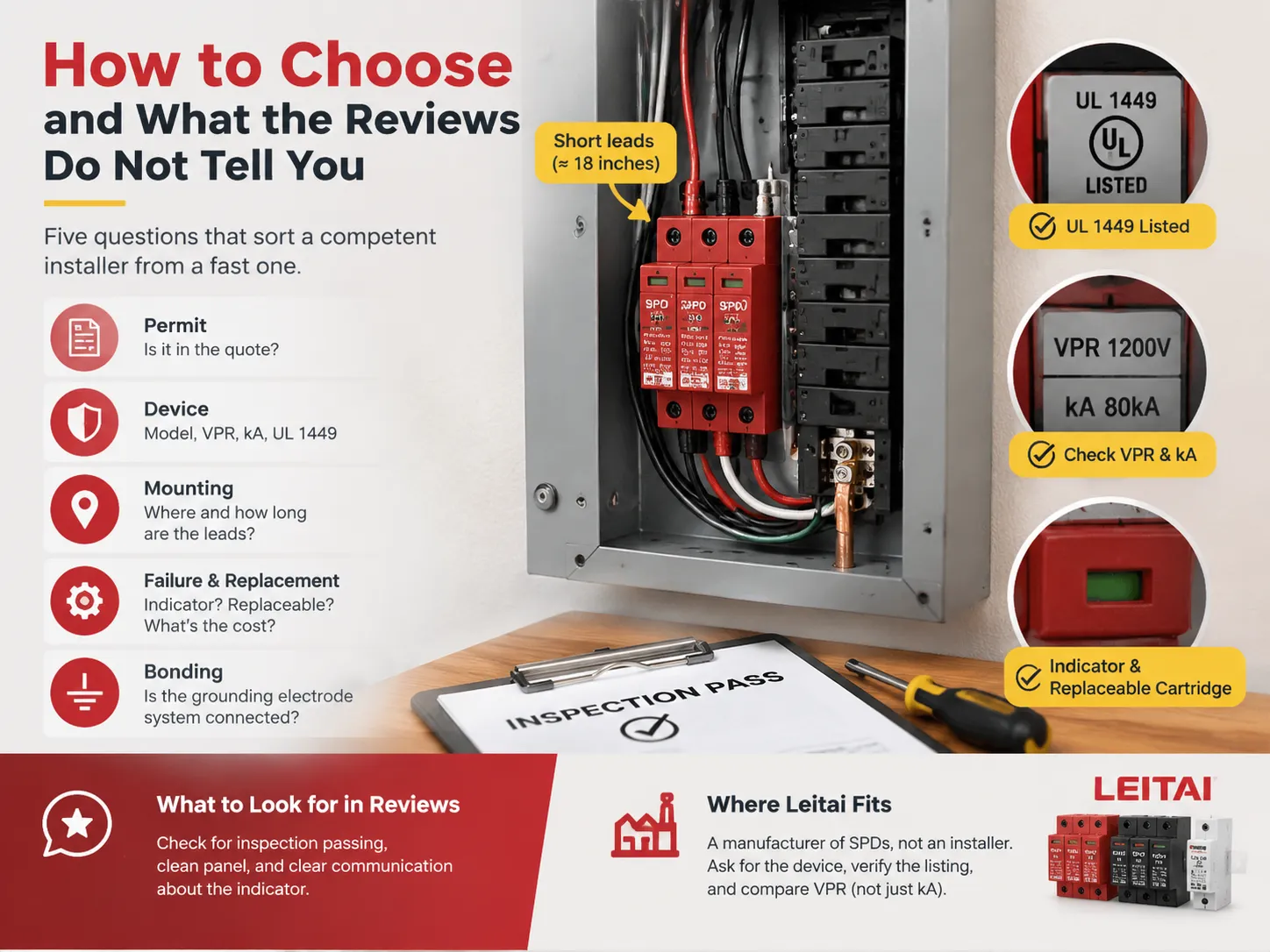
How to Choose, and What the Reviews Do Not Tell You
Five inquiries that separate a proficient installer from a quick one.
- Will you be obtaining the permit, and is this included in the quote? As of 31 December 2025 this will no longer be optional in New York. Not having the right permits can create issues when selling the house or when making a claim with the insurer.
- What entity do you intend to use? Request the brand and model. Then check the VPR and kA ratings and confirm that it is UL 1449 listed. A statement of “whole house surge protection” lacking a particular model number is basically uninformative.
- Where is it going to be installed? Request the information about the distance of the leads. An acceptable response is that it will be installed near the main panel and will feature short leads. A vague one means that the person doing the job lacks proper experience.
- What will happen to it if it breaks? Surge protectors exist for about 5 to 15 years. Ask them whether it has any indicators and what the replacement cost is.
- Will you be performing the bonding while you are there? Without connection to the grounding electrode system the device cannot fulfill its function. If the contractor asks questions about this it is a good sign.
Regarding reviews: it is important not the number of stars, but whether the reviewers mention passing inspections and neatness of the wiring. Complaining about a device that “stopped working” usually means that the indicator was not explained and thus there is no reason to blame the product.
Where Leitai Fits
Leitai manufactures surge protection devices for AC and DC systems, from Type 1 service entrance equipment through Type 2 panel devices to Type 3 DIN-rail equipment, including disconnect hardware. This company is a manufacturer located in Zhejiang, not an electrical contractor located in Syracuse, and it can be important because no one should assume that a surge protector made in China is going to be installed with a New York permit.
What the manufacturer brings to this market is the component that comes before the distributor or OEM brand. The OEM and private label programme exists for distributors who want their own name on a UL-listed device, with the marking and documentation that a US installation requires.To get the best outcome for a contractor in Onondaga County, it is best to simply ask what device is included in the estimate, and check the manufacturer name and the device’s voltage protection rating instead of knowing the kA rating.
While it is important to be upfront about the limitations of each device, the manufacturer is not as important as how and where the device is installed, and the 18 inches of lead wire are much more important than the name of the manufacturer.
FAQ
What is the typical cost of a whole house surge protector?
Across the nation, the price range for installation of the product is between $200 and $800 (the average being around $300, which is precisely what is charged in Syracuse). The equipment costs anything from $60 to $300 and installation costs take an hour or two and a service call. Type 1 meter installations are usually more expensive while permits run anywhere from $50 to $200, depending on the municipality.
How much does a power surge protector cost for a house?
The stated amounts for the panel device are applicable if that is what you meant. For point-of-use devices, the cost is $20 to $150 depending on the joules rating of the device used, while a complete installation for four to five devices will set you back between $200 and $600. However, we recommend that both types of devices be installed to take into account that the panel device alone does not provide sufficient protection for sensitive equipment.
Is it worth getting a whole house surge protector?
The situation in Syracuse is fair, yet limited. Central New York is not an area of frequent lightning disruptions, and therefore, the claim that the devices can be bought on the basis of the frequent storms does not really work here. Instead, the rationale for using those devices could be the fact of the overhead distribution systems, capacitor banks switchings, sump pumps’ and furnace blowers’ operations and the number of controlled appliances in modern houses. If the upgrade is done, the costs of using the devices would not exceed 150 to 400 dollars.
What is the best whole house surge protector for 2026?
It is necessary to pay more attention to specifications rather than brands. Seek out UL 1449 compliant Type 1 or Type 2 product with 40 to 80 kA per phase, with VPR of around 700 V line-to-neutral, a visual end-of-life indicator, and a replaceable cartridge if finances permit. In New York, check also that quoted product meets NEC 230.67 from the 2023 edition, since that requirement only became mandatory here at the end of 2025.
References
- Palmer Electric Inc. — Syracuse and Central New York Electrical Services
- Home Power Systems — Residential Surge Protection, Syracuse
- Nova Electrical Services — North Syracuse
- National Grid — Upstate New York Electric Service
- New York Department of State — Building Standards and Codes
Conclusion
Syracuse presents a moderate example for the installation of whole-home surge protection and good example for the installation to take place simultaneously with any servicing. The cost of the device is ranging from $60 to $300, the installation fee is approximately $300, and starting from January 2026 in New York, there will be a service replacement mandate in effect, regardless of homeowner’s demand.
You can purchase the Type 2 surge protective device and place it against the electrical panel with the help of short leads, double-check the grounding connection and put the strips on the appliances with switches and control boards. It is the eighteen inches of wiring, which are usually unphotographed, where most of the surge protection benefits can be achieved.