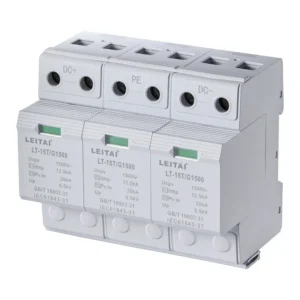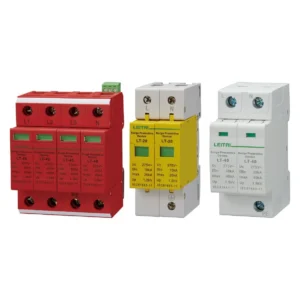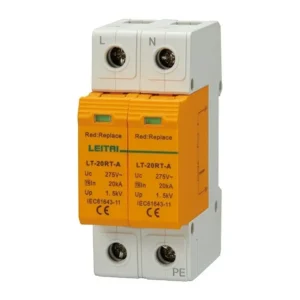

The appearance of 200 A on the panel illustrates the condition of the panel in consideration. An analysis of both the type of installation and its orientation in conjunction with transient voltage surge levels must be done to determine the frequency of damage and not just the total amount. Moreover, the short-circuit current rating and the ability to achieve it must be confirmed and related to every load voltage protection class as well as the class according to the source voltage. Once all these steps have been taken, the installation termination can begin, and usage of short-form leads with grounding would lead to a more successful installation.
Even though there is nothing about the panel that makes it to the appropriate instruments category, one can still benefit from having something that can tell about some changes. First, we should define what kind of installation we are going to have here as well as conduct the frequency assessment of local breakdowns due to surge instead of voltage magnitude, get the short circuit power, and check if it is available. We will compare the protective classes of equipment placed before this installation site with that of one that will be used to install our piece. Only after these verifications are performed can the installation be finalized since the short connections and proper grounding are more than sufficient for installation.
What the Job Actually Involves
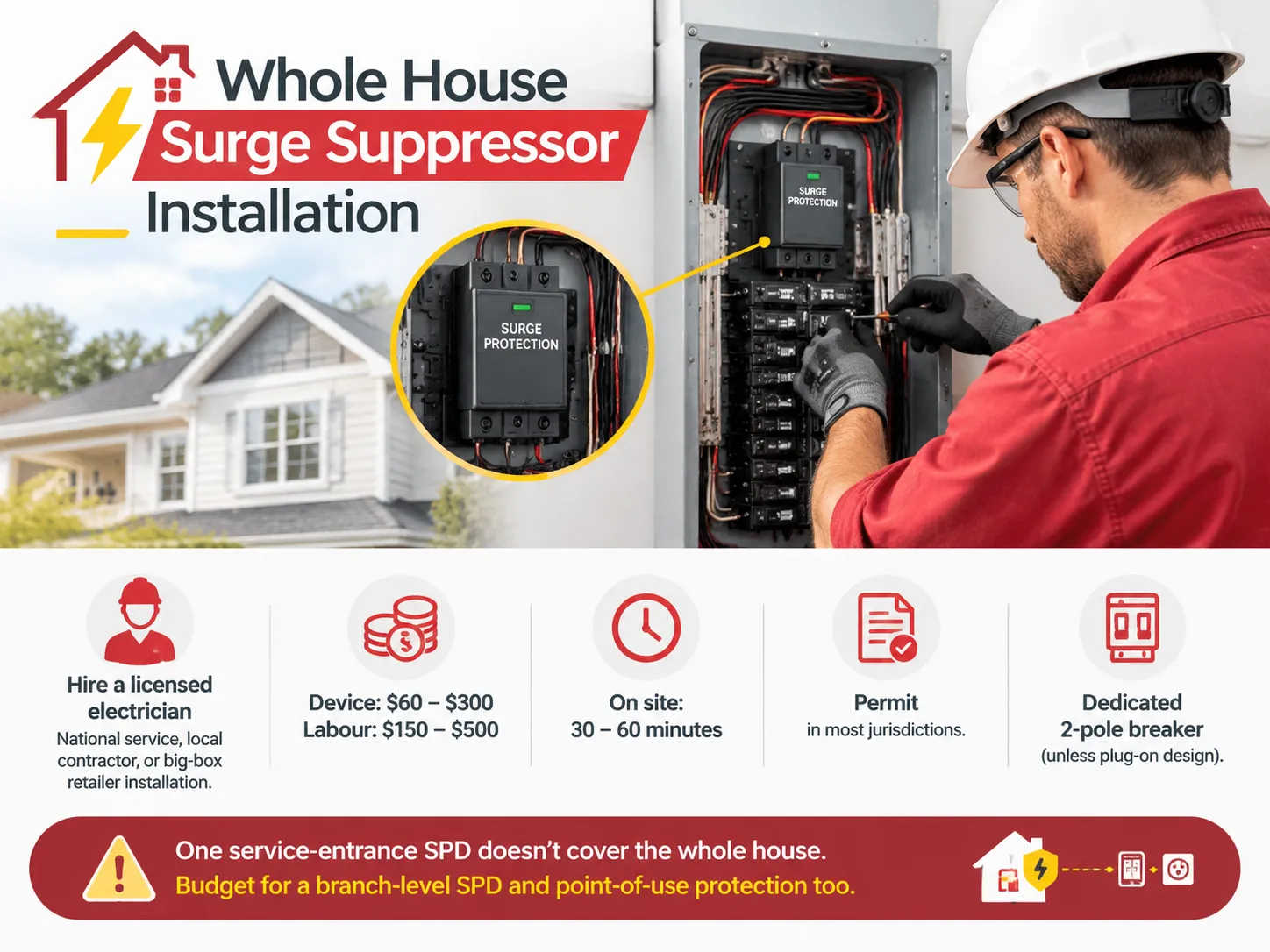
Remove the commercialization and the whole installation consists of four steps. Select the device and check if it is suitable for the system—if it is 120/240V line in your home, you should use phase SPD. Fix the box. Connect the wires making the total length of the wire connecting SPD to the bus bar and to the grounding point straight as far as possible according to the construction limitations. Then finish.
The last action is the one that cannot be seen by the homeowner but should be asked about. Underwriters Laboratories requires that the SPD be tested at 6 kV / 3 kA; therefore, additional inches of wire will add more impedance to the circuit, resulting in the higher actual let-through voltage than indicated by the manufacturer. Thus, an average SPD with a 150 mm connection will outperform a top-end SPD having a one meter length of wire. This shows why an installer who carefully makes installation by manipulating the wires is effectively losing part of your protection that you paid for.
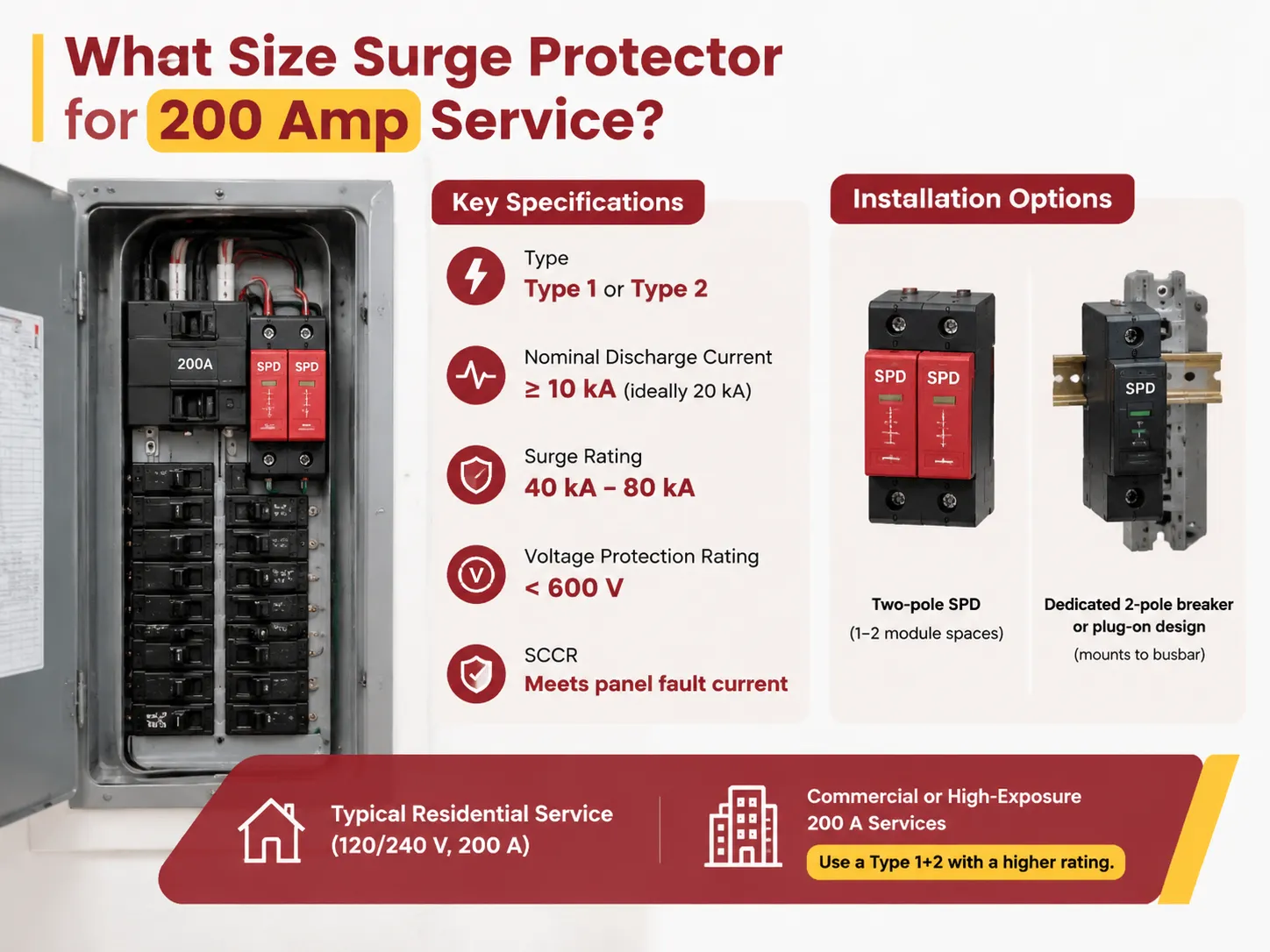
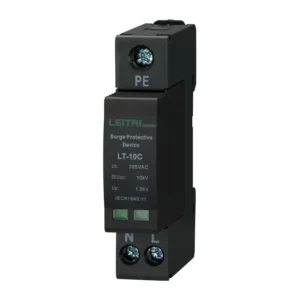
For a typical residential service the device itself is a Type 2 unit such as the LT-40 Type 2 SPD rated 20 kA nominal and 40 kA maximum discharge current, which gives a 1.2 kV protection level and a 25 ns response while fitting a standard 35 mm DIN rail inside an auxiliary enclosure. Locations that have more exposure make use of the same heavy-duty supports. Meanwhile, places that equipped with external lightning protection measures or overhead line systems require a Type 1 device to be positioned before the main device.
Who to Hire: The Three Realistic Routes
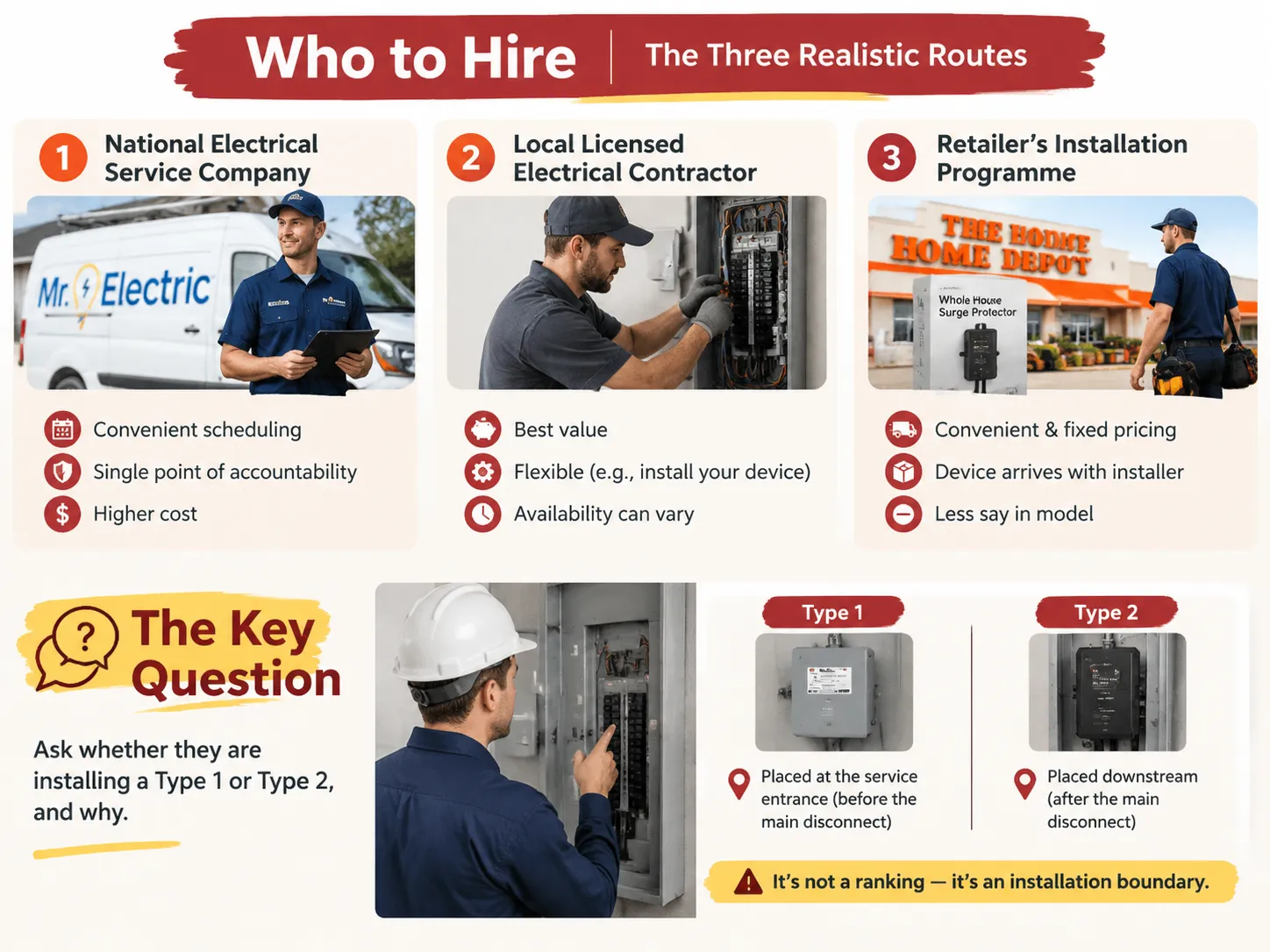
There are three methods of acquiring such systems and the methods must be differentiated as they affect business more than the name of a company written on a vehicle.
- A big electrical service provider. Examples of such companies include Mister Sparky and Mr. Electric which provide business with whole house surge protection as a usual part of their residential services. They have necessary equipment on board and can obtain a permit, which makes them responsible for the work. For instance, Mister Sparky provides Type 1 equipment with a lifetime warranty during the installation process, and a work guarantee for two years.
- A regional licensed electrical contractor. Generally, it is the best choice if you want to save money. They usually do not have any problem with the installation and even with devices that you have. However, they can be busy and you might need to wait, especially if the area is affected by storms.
- A retailer’s installation program. In this case, buyers can find a surge protector in a big home improvement store. They sell the device together with the installation and customers can expect a fixed price. You might not, however, be able to choose the model as it depends on the program.
Whatever method you choose, the most important thing is to find out whether the installing company works with Type 1 or Type 2 devices. A crew that knows what the two types are will be competent, while a crew that says that both types are equally effective will be incompetent. The differences between Type 1 and Type 2 SPDs are not a ranking — they are an installation boundary, and getting it wrong is what turns a protection device into a fire risk.
How to Vet a Contractor Before You Sign
The efficacy of whole house surge protection depends primarily on the quality of installation, making these concerns more technical than personal.
- Licensing and insuring. Work on electrical panels typically must be done by a licensed electrician and usually requires a permit and inspection. Always ask for the license number and check that the permit is on the estimate. An appliance installer is not an electrician.
- Available fault current. The SPD’s short circuit current rating must be equal or greater than the fault current at the place of installation. A device rated at 200 kA can be successfully connected at a service with 22 kA; this, however, is not true about the other way round. Always ask how they calculated it.
- Lead length. It should be requested to keep the lead as short as possible and without unnecessary bends. If they cannot explain it, the installation will look neat but will hardly be effective.
- Torque. The connections are made with a torque wrench according to the indicated value. The lack of a proper connection technique is the most widespread hidden defect in the panel work.
- State indication and disconnection. A valid SPD must be able to provide information on its operability.Where the SPD sits upstream of a protective device, a dedicated back-up disconnector such as the LT-SSD series SPD disconnector with a 3 A trip current clears the follow current when a module reaches end of life, so a failed SPD does not sit in the panel as a fault waiting to happen.
Seek out three estimates if you are tying the job to a panel upgrade, and be alert to any estimate exceeding $1,000 for a simple installation without panel work. That price is available, but should be justified with either a new box, an exterior NEMA mount, or service change.
What a Whole House System Should Actually Include
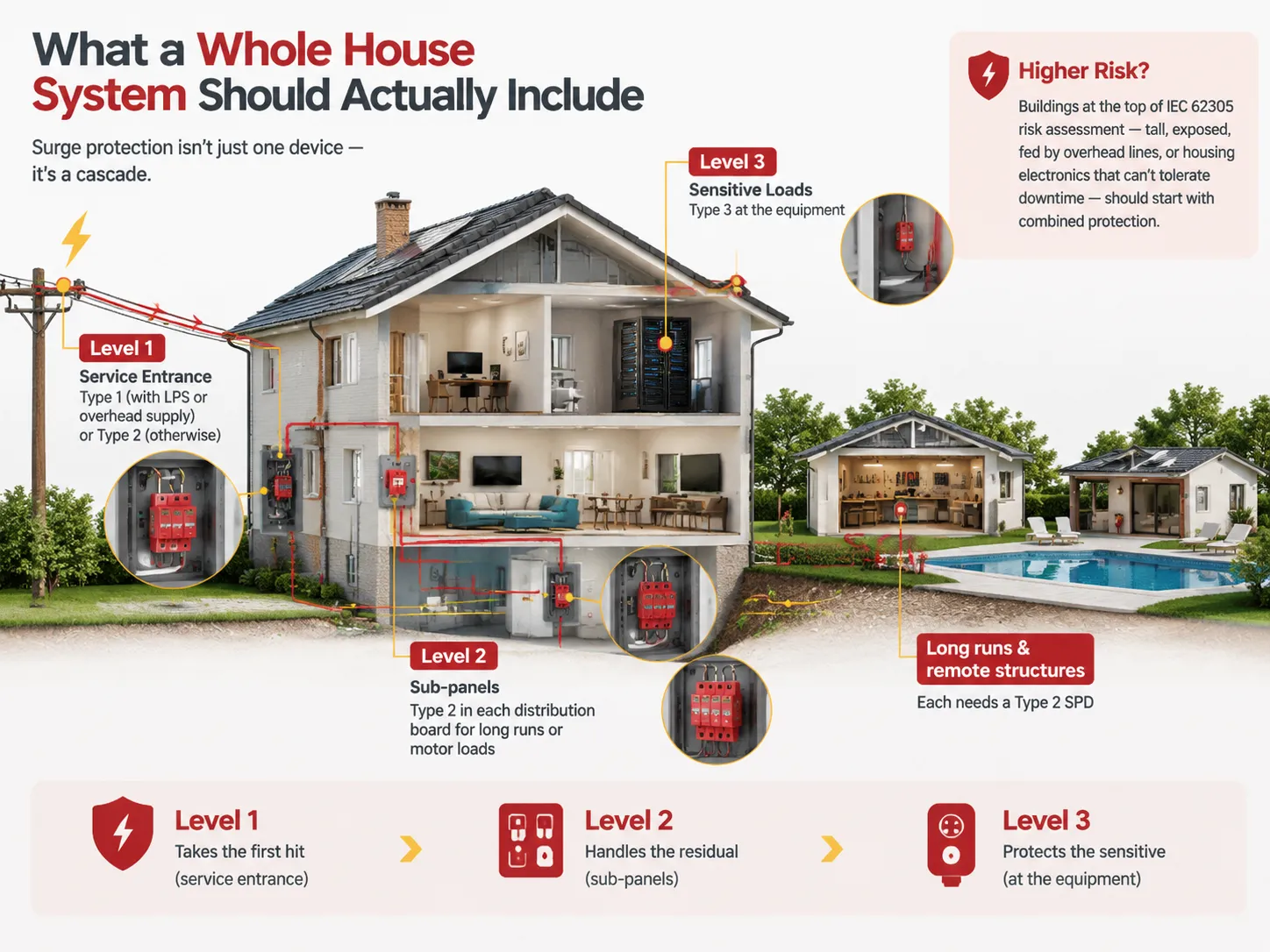
The promise of the “whole house” is not something that can be delivered alone by this device, and no legitimate installer will state otherwise. Surge energy travels through all available paths, so even though a single service-entrance SPD will do the majority of the work, there will still be some residual. This residual reaches the end of the system installation, whether it is a utility room corner or a barn located 60 m away or even a server cabinet on the second floor.The scheme is working on a cascading principle.
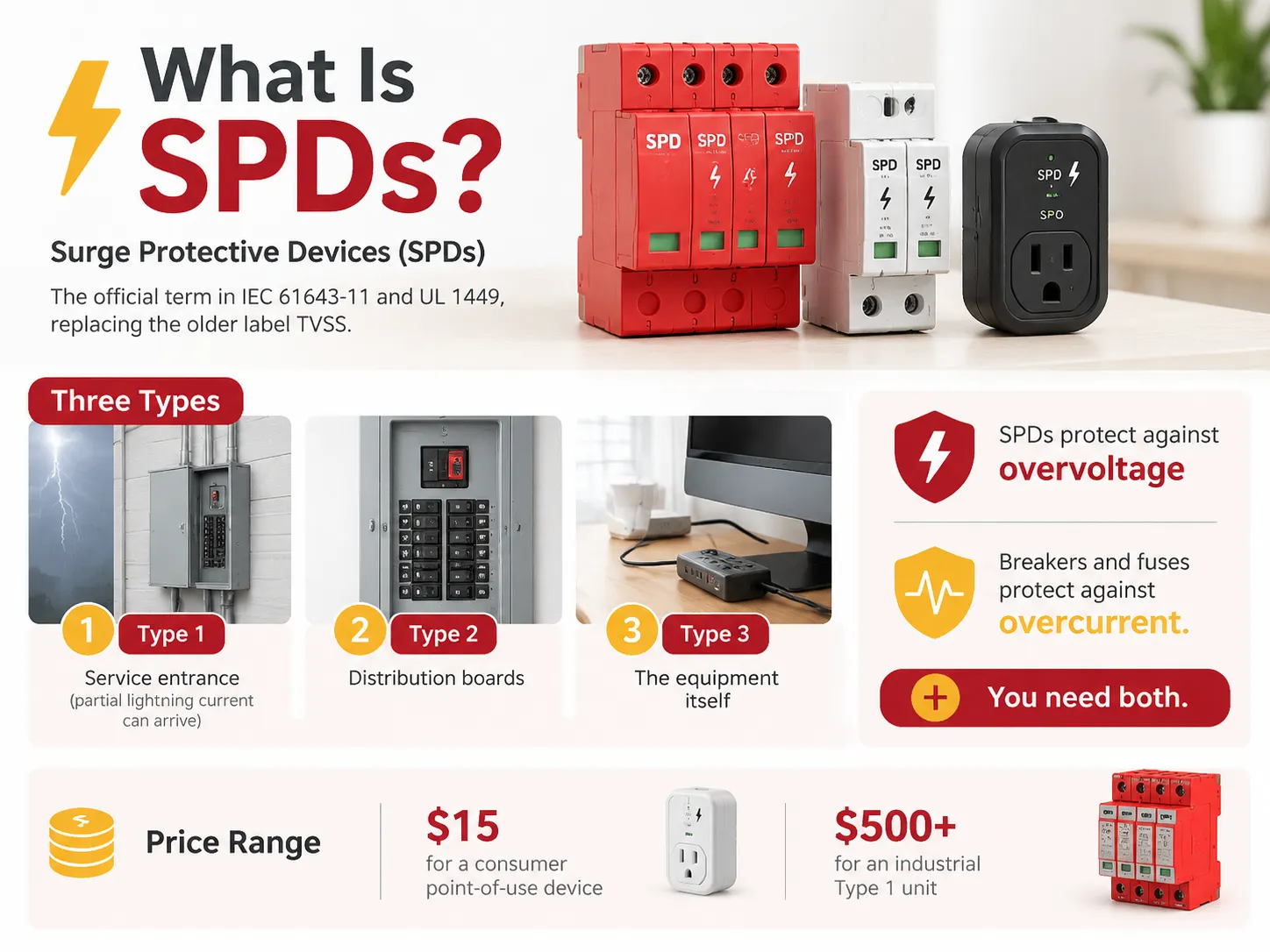
- The first level guarantees protection at the service entrance. If there is an external lightning protection for the facility or overhead supply, then this first level is going to be of Type 1. If not, it will be Type 2, located immediately after the main disconnect. It is the first device to get an impact.
- The second level guarantees protection at the sub-panels. Type 2 SPDs are located in each distribution board supplying a long length or motors. If the building is divided into pools, there must be three devices installed, not one.
- The last level guarantees protection of the equipment. Type 3 SPD is installed at the equipment being affordable and small with a high effectiveness.
Buildings that occupy the highest level of the IEC 62305 assessment — taller constructions located at exposed locations, connected to the power supply network through overhead cables and full of electronics unable to withstand downtime — trigger cascading processes thanks to integrated protection.A Type 1 lightning current arrester with 25 kA Iimp tested on the 10/350 µs waveform discharges partial direct lightning current at the service entrance, which a Type 2 device physically cannot survive. The 10/350-µs impulse carries about ten to twenty times more energy than the 8/20 µs impulse at the same peak current, which explains why these two impulses are not interchangeable.
What It Costs, and How Long It Takes
Pricing will depend on location and the amount of panel work to be done, although the prices are stable enough to allow for reasonable planning.
- Device: $60–$300 for a standard residential unit of Type 2; $100–$500+ for Type 1 and oversized units.
- Labor: $150–$500 depending on location. A simple panel SPD installation is 2–4 hours of billed time in most cases including travel time, paperwork and inspections; the actual installation usually takes less than one hour.
- Permits: $0–$150 where permits and inspections are necessary.
- Total price: $300–$800. If combined with a panel upgrade, the price will be increased only by $100-200 thanks to already opened panel.
At this stage, there is a lot of ambiguity regarding sizing issues mostly related to 200 A services as people mistakenly assume it to be about surge capacity rather than continuous power. However, the service amperage is all about continuous load carrying capacity, so SPD works on parallel basis without carrying the load itself.What the panel size does determine is fault current level and available breaker space, which is why the selection logic for a 200 A service looks at SCCR, nominal discharge current and protection modes rather than trying to match 200 A to a kA figure.Most household electrical panels with 200 A capacity have a spike protection device rated for between 20 kA to 80 kA. The plug-on design and two-module layout help free up space in the breaker slots of the circuit panel.
Regarding the lifetime of the devices, it is important to know that they have limited life expectancy. Each MOV used in the device becomes less effective after every electrical surge. It is estimated that the devices will last for 5 to 10 years in locations with few electrical storms or between 3 to 5 years or less in areas with frequent thunderstorms. The indicator window serves as an important visual aid. After a heavy storm, check the window, and in case the indicator has changed its color, it’s a sign to get a new module.
Frequently Asked Questions
How much does it cost to install a whole house surge suppressor?
The overall price for a typical residential installation is anywhere between $300 and $800: $60–$300 for the device, $150–$500 for the licensed work, and $0–$150 for permits, if required. However, bundling it with a panel upgrade makes the marginal cost as low as about $100–$200, as the panel is already available.
Can a homeowner install a whole house surge protector?
In most jurisdictions, it is illegal and unsafe to do so, and the work refers to opening the main service equipment, opening live busbars, selecting a breaker, and connecting to a grounding system, which requires permission and a check in most places. Even the designs involving plugging in still require getting inside the panel. Apart from shock hazard, incorrect installation is the reason why the device case too often doesn’t match the datasheet.
Do whole house surge suppressors work?
Sure, they function as intended. Installed in the service entrance with short leads, they take away most of the surge before it hits the branch circuit. They are the only devices that can do this. However, they do not protect against a direct strike and cannot take the place of point-of-use protection for sensitive equipment. They reduce the power that goes to the load, but they do not remove it.
What should never be plugged into a surge suppressor?
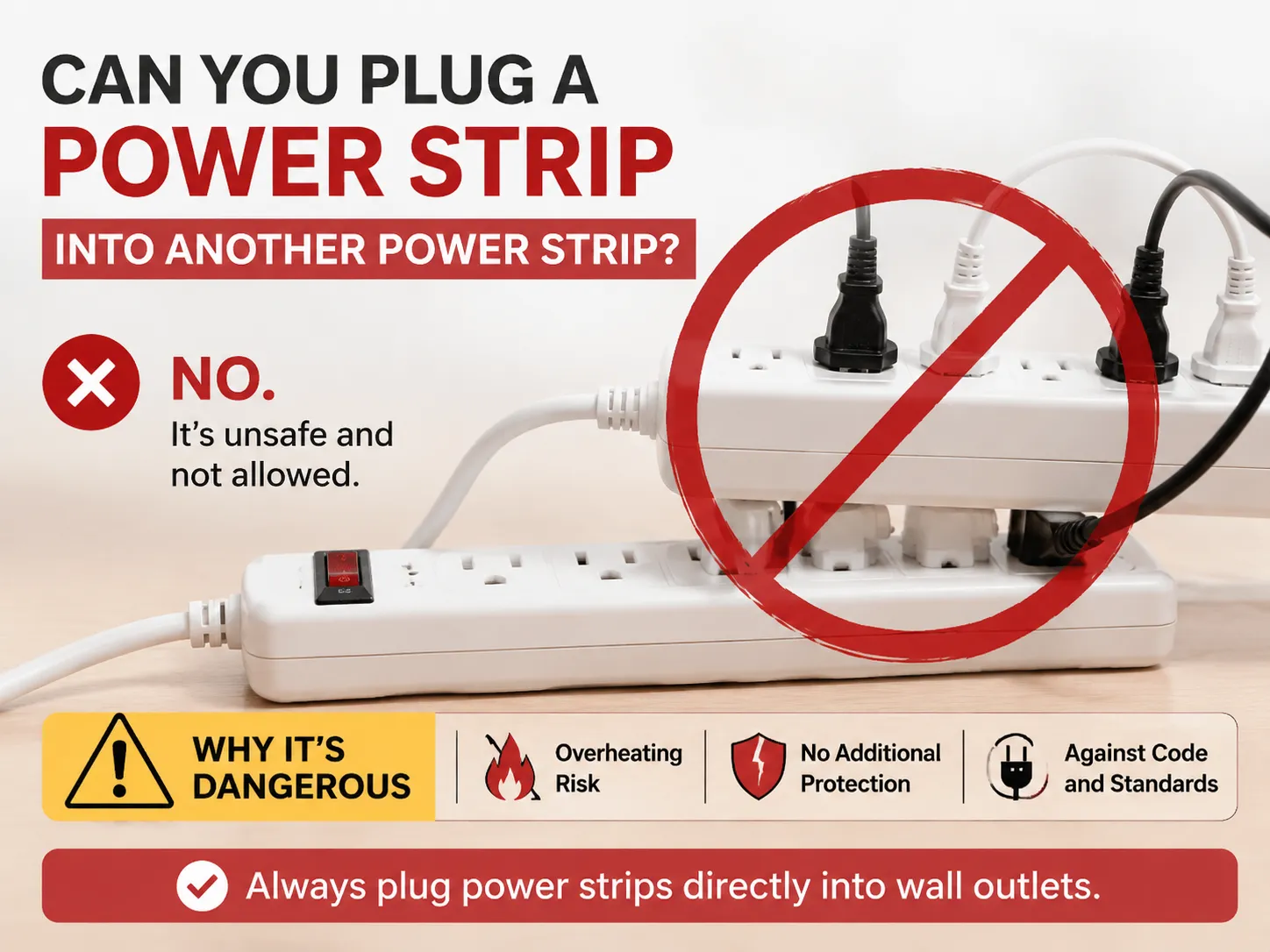
High-power appliances generating heat had their own technologies to avoid this – electronic heaters, irons, hair dryers, toasters, microwaves, electric kettles, and movable air-conditioning devices. They consumed energy leading to the depletion of a 15A energy supply unit, and the device’s breaker was not a proper substitute for the electric power line. Life-supporting medical machines cannot depend on an ordinary strip as well; the manufacturer’s recommendations have to be followed. One can never plug one strip into another.
References
- NFPA 70, National Electrical Code — Article 230.67 and Article 242, surge protective device requirements
- UL Standards & Engagement — UL 1449, Surge Protective Devices
- Mersen — National Electrical Code 2023 edition: SPD requirements review
- DITEK — Understanding the 2023 NEC rules for surge protection
- OSHA — Compliance requirements for relocatable power taps (standard interpretation)
Conclusion
Generally, the process of installation is very easy and very quick and in addition it is barely noticeable to everyone. Therefore, choosing a professional contractor is extremely important. The contractor should know everything about the location of the project and he should also know how to offer safe solutions for the case of short-circuit currents. Apart from branch wiring, the contractor should also think about safety at the point of use during the installation, as only one unit will not resolve the problem for the whole structure. If everything is done correctly, then installation would take minimum time and expenses.