
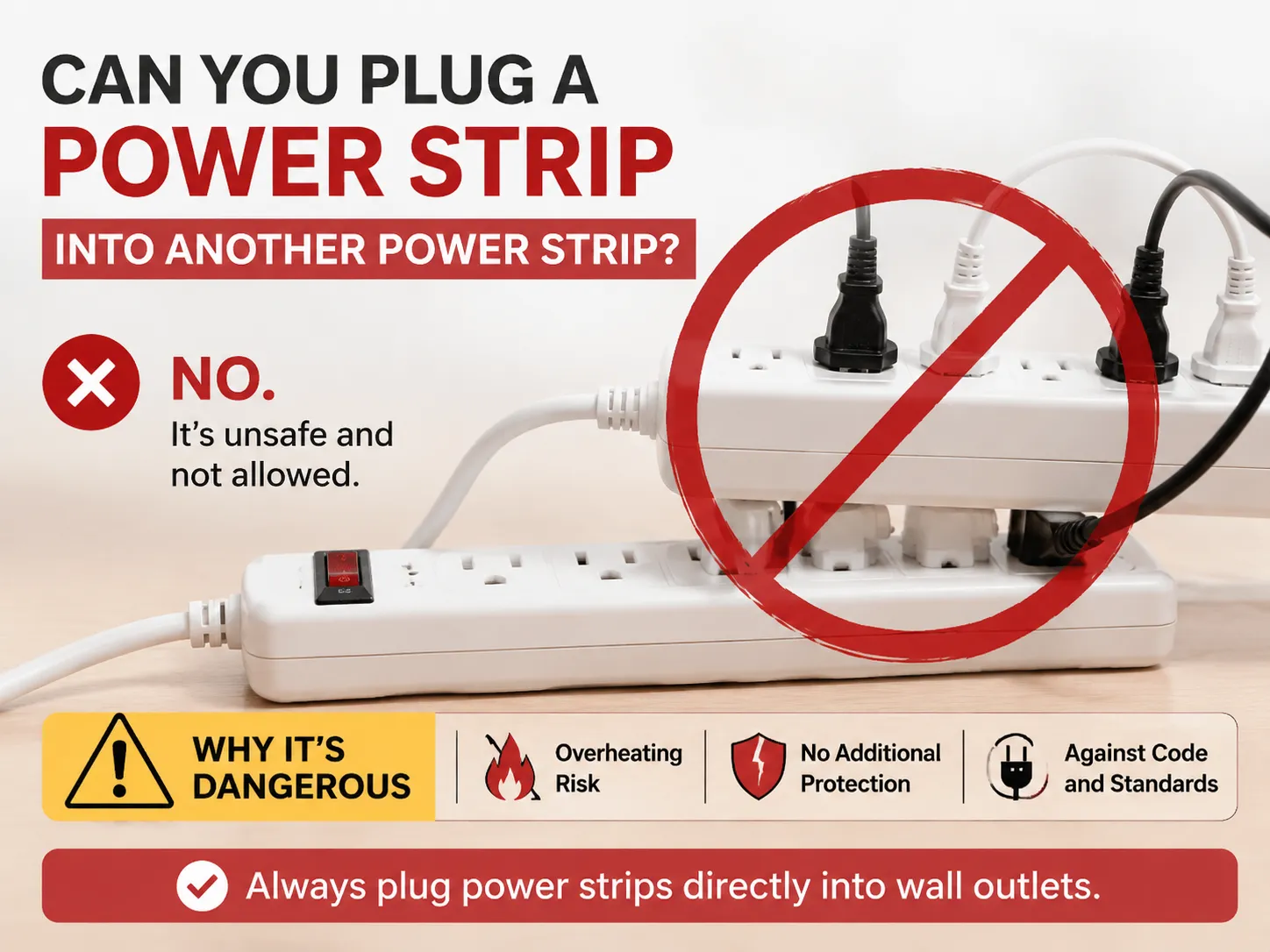
No. Every relocatable power tap that is sold in North America, must have a certification that allows it to be plugged in an installed wall socket and from the listing documentation, it is obvious that this equipment should never be used together with the other relocatable power taps or extension cords since plugging one strip to another i.e. daisy chaining is against the rules of the listing and the use of listed devices in violation of the listing is a violation of the electrical codes as well as the causes of fire hazard.
In simple language, do not connect relocatable power taps or power boards to extension cords in a daisy chain fashion. The Underwriter’s Laboratories does not allow daisy chaining, and the National Electrical Code has gone in a step further by enforcing rules on the usage of power taps as well. Further, OSHA has come up with a similar rule that prohibits daisy chaining in a workplace, fire safety codes also impose a condition of connecting a power tap only to a permanently-wired outlet. All loads still get delivered through the wires of the first tap and there is nobody to monitor this potentially hazardous heating condition, thus making the situation unsafe.
What the Standards Actually Say
The rules are not myths passed along by professionals in the electrical field. The standards exist in three volumes, and are compulsory.
- Listing. According to the UL publication about relocatable power taps, these devices are only supposed to be plugged into a permanent receptacle, and not used for plugging in relocatable power taps or extension cords. Once the above-mentioned device is used in an environment other than the one for which it was designed, it ceases being a listed product.
- Electrical code. According to NEC Article 110.3(B) and the respective OSHA regulation, it is necessary to use marked devices in accordance with the requirements of their markings. Thus, chaining strips cannot be said to meet this requirement.
- Fire code, for instance, NFPA 1 and the International Fire Code which clearly state that relocatable power taps must be plugged into a permanent receptacle.
Finally, it must be mentioned that the concept of product liability is not something that should be neglected. The appliance is thus disconnected from the chain of devices. Most product liability concepts can be applied only to appliances plugged into electricity.
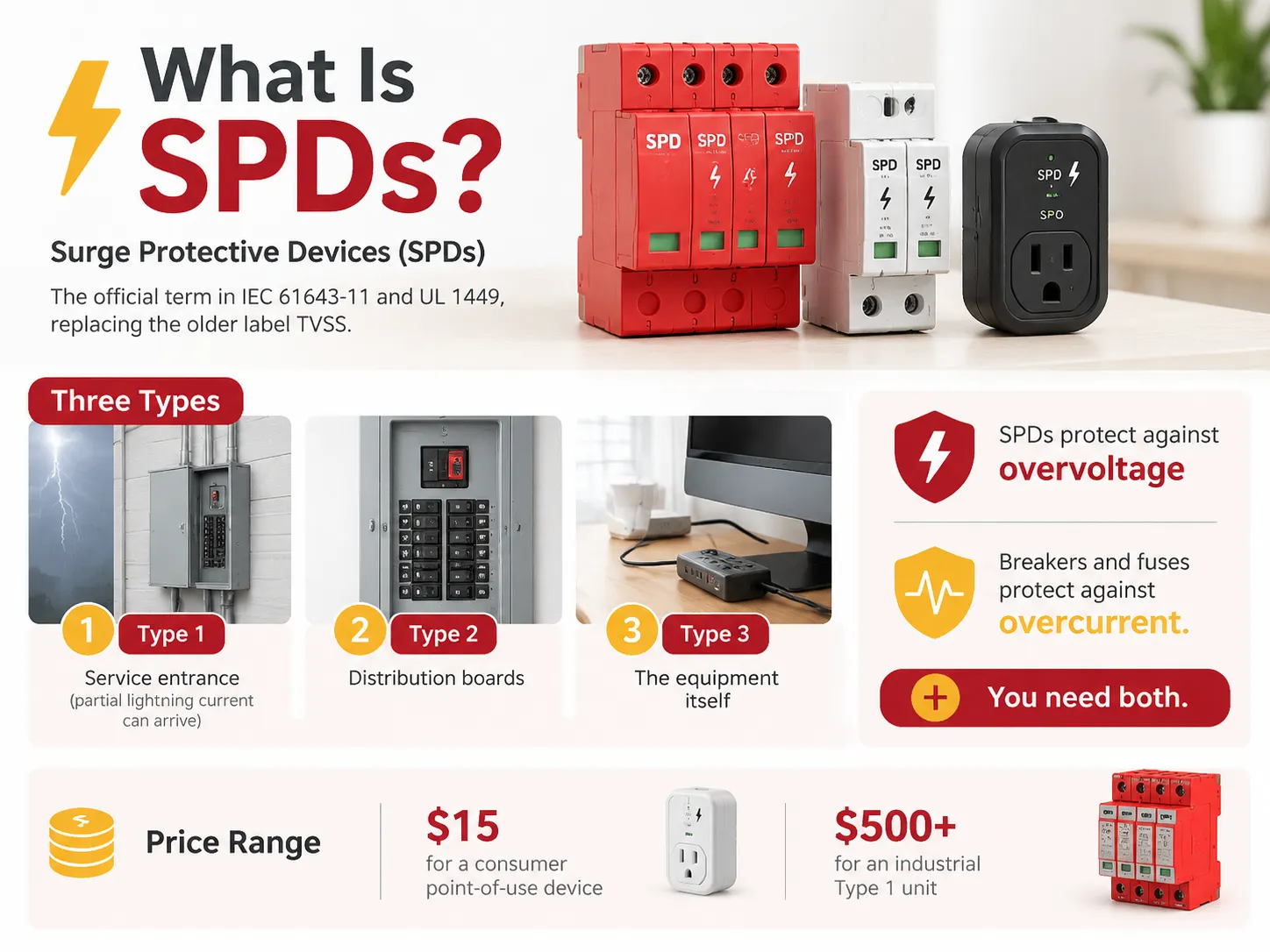
The reason why such confusion occurs is the confusion in terminology. A power strip, surge protector, and a rack power distribution unit belong to the same category according to UL, for they are all relocatable power taps with the only difference being that the last devices contain surge electronics. A surge protective device on a flexible cord is still a surge protective device, and the series-connection rule follows the cord, not the marketing name.
What Goes Wrong When You Chain Them
Four events occur simultaneously, and they compound.
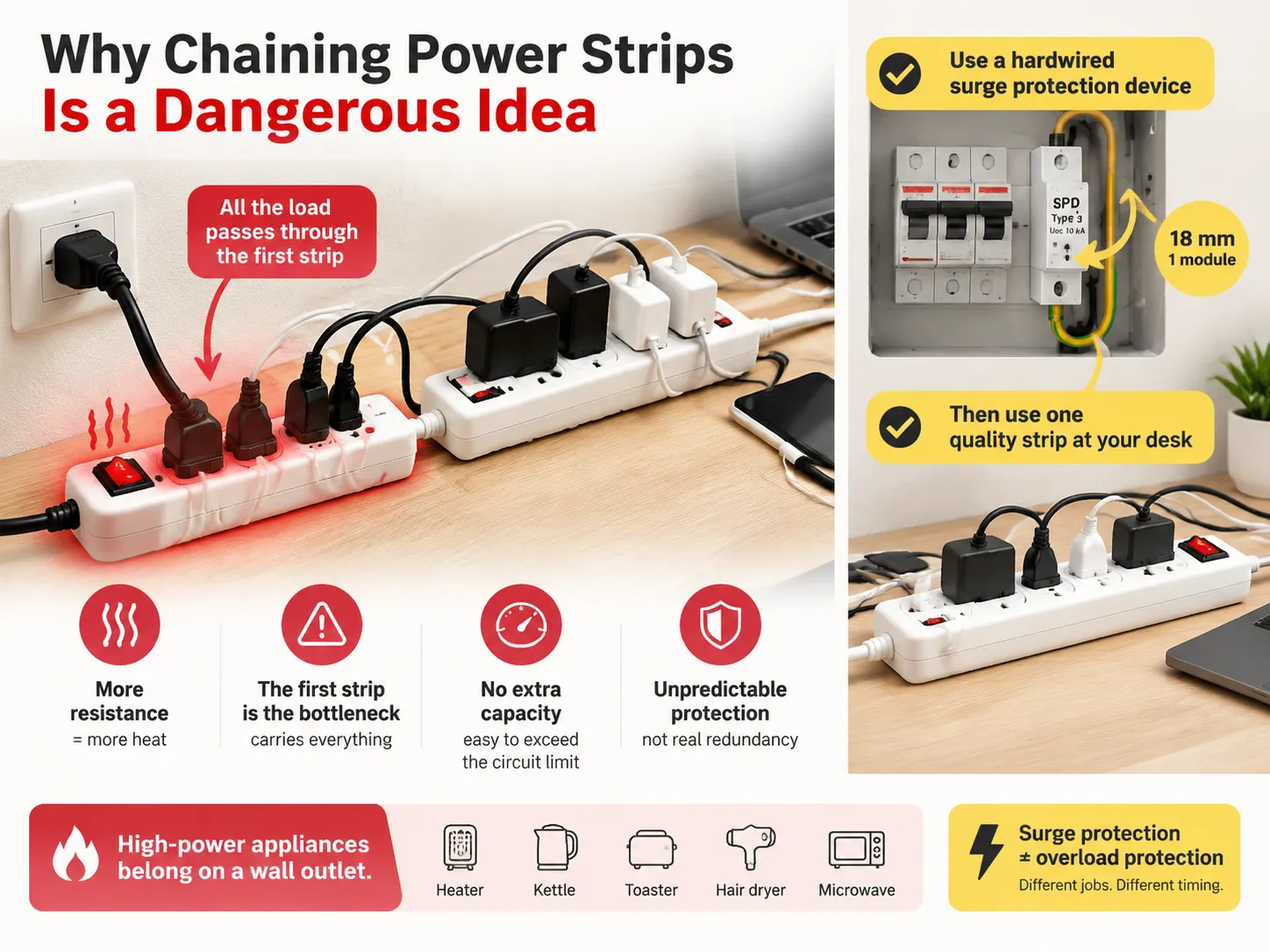
- Resistance builds up over time. Every pair of end and plug contributes to the resistance present between the end and plug. Connecting two strips in series, for example, creates resistance at every junction which causes its own strip to carry much more current than it was designed for.
- The first strip limits the total current. All machines down the chain get powered via the first strip which creates huge disbalance. The strip should handle 15 A via its plug to power all components, only to be safe by its own fuse (if fitted).
- The number of devices does not restrict the total current. Adding electrical strips does not increase the total current allowed. It increases the number of devices using the same circuit and thus creates an opportunity to demand too much electricity without noticing it. It is best to keep your load on the 15 amp circuit below 80 percent of its rated value.
- Protection turns out to be less effective. Using two surge protectors in series does not increase the degree of protection against the surges. It disregards surge mitigation policy as one device may block a surge while the other one is idle. The end product is a chain which looks like an ideal power source but in fact creates hazards.
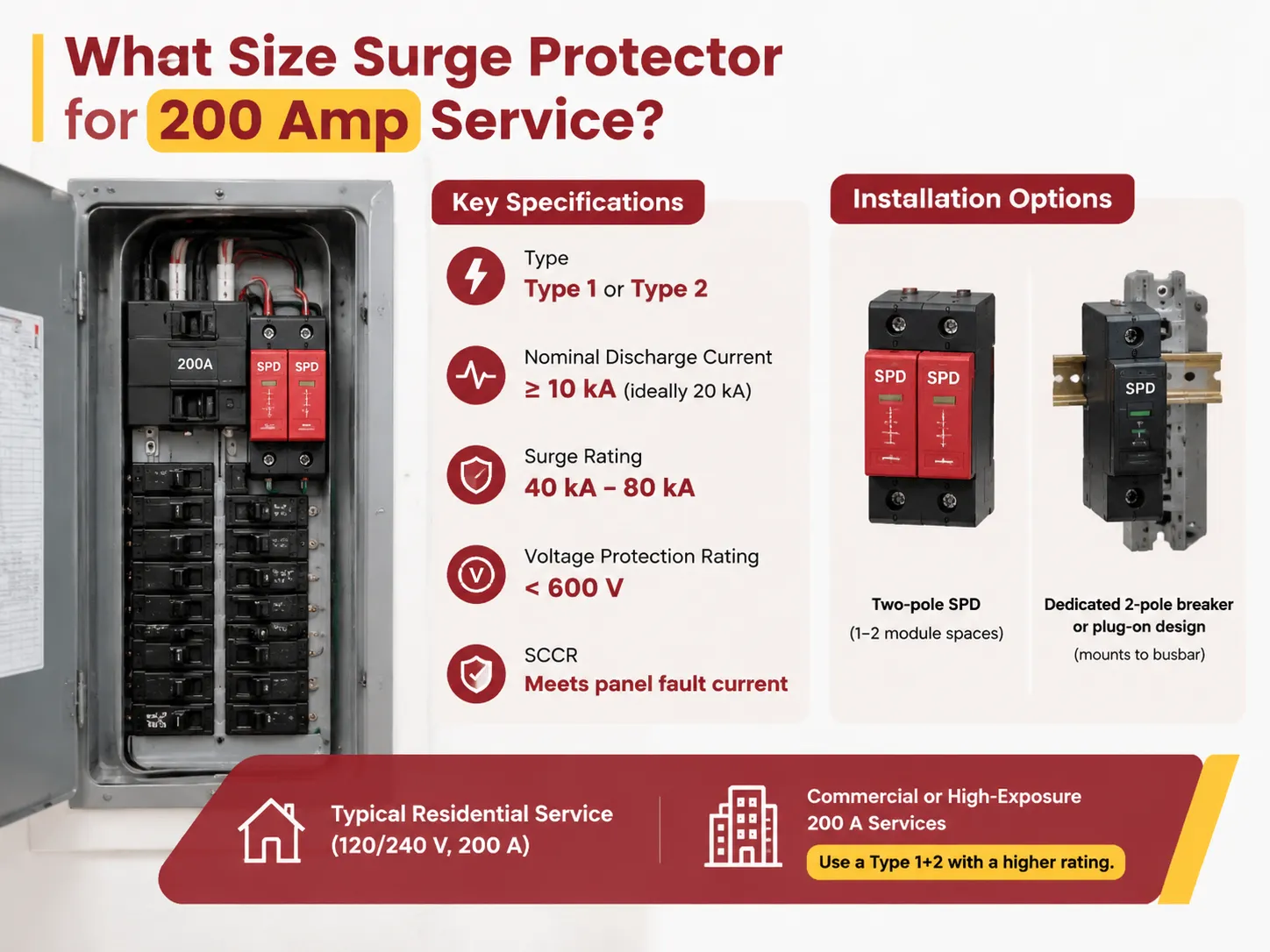
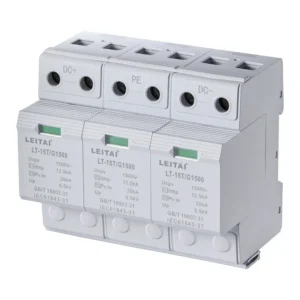
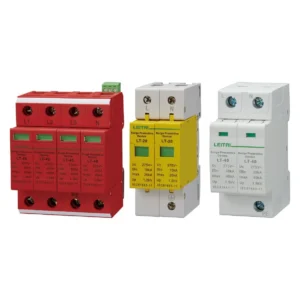
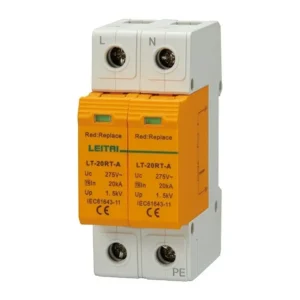
If the actual goal was more outlets at a workstation, the honest answer is a hardwired device with real ratings rather than more plastic. A Type 3 SPD rated Uoc 10 kA with an 18 mm single-module footprint mounts inside the distribution board feeding that area, consumes one module space, and does what stacking strips cannot: it clamps transients at the board with a published protection level and a proper earth connection. Then a single, good-quality strip at the desk handles the outlets, and nothing is chained.
The Load Problem Nobody Thinks About
When using a power strip without an extension cord, this presents the greatest risk because of the load on the strip itself, although this issue is made worse when doubling up.
Typically, plugs in a standard household circuit are rated 15 Amperes at 120 Volts, which totals 1,800 Watts. Most strips carry a 15 Amp rating, and many strips have built-in protection. It is generally recommended to use plugs rated for 80 percent of their capacity for continuous loads, meaning 12 Amps, and 1,440 Watts in this case. This might seem like quite a lot, but when it comes to the load of an average desktop setup including computer, two monitors, printer, desk lamp, cell phone charger, monitor riser with USB hub, and speaker system, this is still well below the limit. Adding any heating devices to the mix brings the total right over the limit before anything is chained together.
Heat-generating devices should not be plugged into a strip at all; devices like space heaters, iron, hairdryer, toaster, kettle, microwave oven, portable air conditioning device, and coffee maker. Each of these devices consumes a large part of a circuit’s capacity on their own, thus they should be connected to their own outlet.This is separate from surge protection, which is about transient overvoltage, not sustained current — an important distinction when someone is trying to solve a tripping breaker by adding a suppressor, and it is explained properly in this comparison of surge protection and overload protection. Overcurrent protection limits current over seconds; a surge device reacts to voltage over microseconds. Neither does the other’s job.
Is There Any Safe Way to Do It?
The issue in question that most people often have has to do with either a rack or a desk stacked with equipment that requires more outlets and protection; thus it can be tackled with the help of an appliance made specially for this purpose than with the aid of two retail strips.
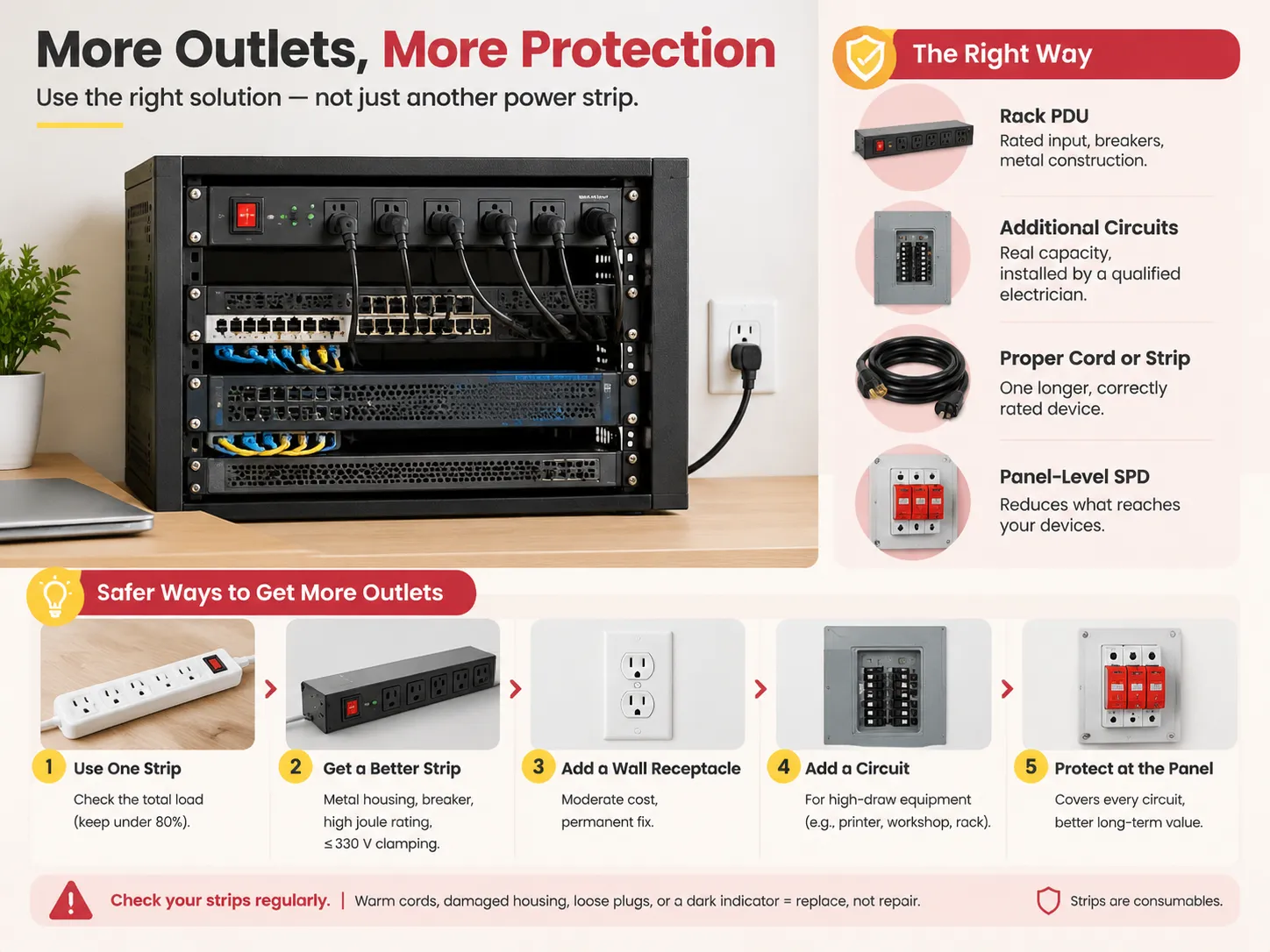
- What you should get is a rack power distribution unit, which is specifically manufactured for this task and has a defined number of outlets, its construction being made from metal and the presence of an input making it functional. It works from a single circulation; if you have two circuits, then having one outlet is much better.
- Additional circuits can be put in place if the equipment’s need for power is so high that having two circuits means working only with a qualified electrician; this is the only solution that leads to real improvements in capacity.
- The use of one long strip or cord rated correctly can be a solution that works in cases where the problem is not about the number of outlets but about distance, therefore having one correct device in place is enough.
- Having panel-level spd makes it possible to deal with the excess burden so that it will be much less strips to deal with it in the process.
Where a rack or a small network cabinet is involved, the practical starting point is a distribution device with a published rating and a proper earth, from a range built for the enclosure rather than for a living room. The surge protection product range by application is a reasonable place to see how the panel-mounted and point-of-use families differ in rating, footprint and connection method before buying anything from a retail shelf.
Safer Ways to Get More Outlets
There are various useful solutions available on the market, which can be classified in order of cost and effectiveness:
- Use a basic strip, and see what is the total cost involved. Zero cost. Use all the loads added and ensure that the continuous load is always less than 80 percent of your circuit’s rating, making sure to avoid the use of a heat-generating appliance on that particular strip.
- Buy a better strip in place of that cheap one. The costs involved may run into a few tens of dollars. You should look for features such as a metallic casing, built-in circuit breaker, joule rating in thousands, clamping voltage under or equal to 330 volts, and the proper UL listing.
- Use of a wall receptacle is another option. Moderate cost and a licensed electrician is required, but with this option you can finally get some permanent results. The ideal answer when someone says “I do not have enough outlets” and the reason for the problems above does not occur.
- Use of circuit is the answer when your device needs the amount of current which is greater than one circuit can provide to it – your home office has a large printer and you cannot connect it using one circuit only.
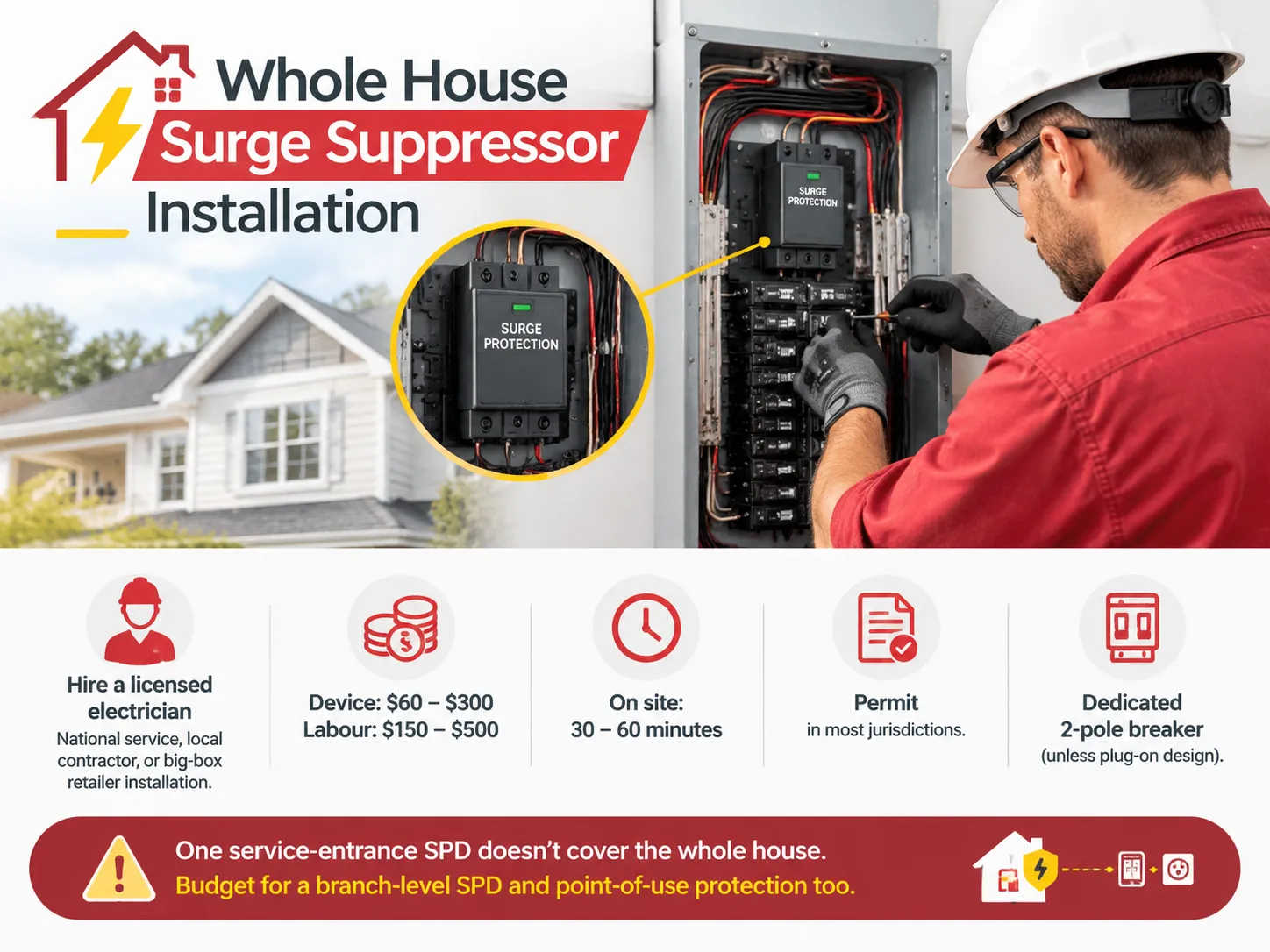
- Use of a panel for protection is necessary. This means that “point” devices help only to clamp the electricity and do not prevent serious damages. A panel-mounted SPD installed by a licensed electrician typically costs a few hundred dollars and covers every circuit in the building, which is a better return than several good strips bought one desk at a time.
One custom that is best followed irrespective of arrangement of power: checking the power strips from time to time. Any hot cords, discolored or cracked casings, plugs with a bad grip, or dark safety indicator means replacing the strip, not fixing it. Power strips should be considered as consumables, and strips that went through a serious accident should not be trusted any more.
Frequently Asked Questions
Can you connect a power strip to another power strip?
The dimensions of plugs are such that they can be plugged into the receptacle, so that is why such misuse of power taps continues to take place. Yet, UL clearly prohibits such practice as per its certification for temporary power taps. Moreover, it violates UL requirement for certified equipment to be used according to the manufacturer’s instructions, and it also is in contradiction with the provision of fire safety norms stating that power taps should be connected to the permanently installed receptacle directly. In terms of actual outcome, the result is one set of contacts being overloaded as there are too many devices connected to it without ensuring thermal monitoring for the power cord and plug of the first strip.
Is it okay to plug a power strip into a power strip?
Again, the reasons previously given apply, and the incorporation of surge suppression does not alter this. This product falls under the category of relocatable power taps irrespective of surge protection, and so the limitations associated with series connection of these taps still apply. This, however, may wrongly convey the impression that protection has been doubled. Two surge protective devices in series do not guarantee double protection against surges, and they may yield unreliable clamping performance resulting in one surge protectors doing nothing when the other protects the equipment. Unfortunately, the position concerning warranty is even more difficult: most warranty policies require direct connection to a branch receptacle so the claim may be denied on the ground of noncompliance with this requirement.
What to never plug into a power strip?
Appliances that generate heat and draw high amounts of electricity such as space heater, iron, hairdryer, toaster, kettle, microwave oven, portable AC, coffee maker and electric griddle have a very high capacity. This means that these appliances should be connected to a separate wall outlet. Also, medical devices that have an essential-function must not be plugged in unless specifically mentioned by the manufacturer. And you should never run a power strip under a carpet, behind a radiator or in any other way that the cord will get crushed.
Is it okay to connect one power strip to another so you have enough outlets or to make it long enough to reach your plug?
No reason justifies it. If it is a matter of how many receptacles are needed for whatever equipment is used, the fixes are either installing a wall outlet or circuit or using one proper source that has enough power supply receptacles for the appliances. If the problem is the distance, use one correct-length power supply cable: connecting two cables of more than the necessary length creates more resistance and always generates heat. The only acceptable solution to stretching out a cable is to use extension cord that is properly grounded and connected to wall socket without using a multi-plug which is allowed when its instructions say so.
References
- UL Standards & Engagement — UL 1363, Relocatable Power Taps
- OSHA — Compliance requirements for relocatable power taps, standard interpretation
- NFPA 70, National Electrical Code — Article 110.3(B), installation and use of listed equipment
- U.S. Consumer Product Safety Commission — electrical and fire safety guidance
- UL Standards & Engagement — UL 1449, Surge Protective Devices
Conclusion
This rule has a good explanation because it puts pressure on devices that can never withstand it. Using just one power strip at the outlet socket with maximum current draw at the rated circuit and without any heat-generating devices is safe. Connecting more strips would not raise any thresholds and any security but decrease the allowed power. If more sockets are required, procure outlets; if more power is needed, purchase circuit; if more protection is desired, put surge protection at the panel instead of multiplying the power strips.