

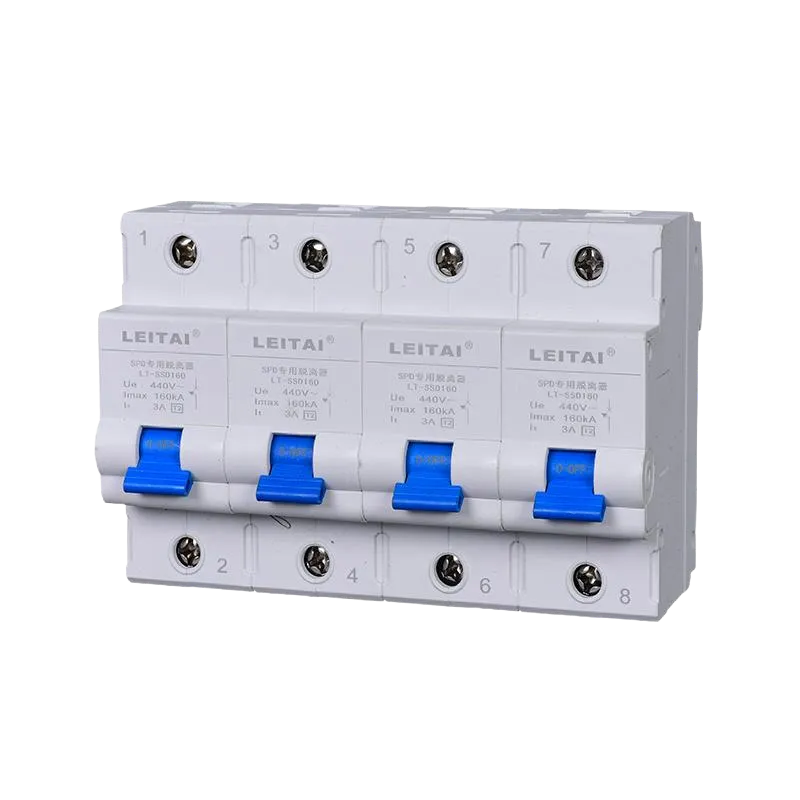
The LT-SSD160 is a 160kA isolator matched to 100kA and 160kA arresters, the largest back-up device in the range. It is specified at main boards where the arrester rating is high enough that a conventional fuse cannot be coordinated reliably.
160kA SPD Isolator for 100-160kA Units
For the Highest Energy Boards
The arresters that need this accessory sit at transformer incomers and main boards, where the surge energy is at its highest and a backup device that opens during an event leaves the whole installation unprotected. The 160kA withstand is the figure that keeps it in circuit.
One Accessory for the Main Board
Where a project uses 100kA and 160kA arresters on the same site, this class covers both, which simplifies the panel schedule and the spares holding without compromising either board.
Trips on Fault, Not on Surge
The 3A tripping threshold clears a failed arrester element at the end of its life while ignoring the surge current that the device is rated to carry. The distinction is what a general-purpose breaker cannot make.
Keeps the Stack Consistent
The body follows the same 18mm-per-pole pattern as the rest of the SSD family, so an entry board with a four-pole arrester and this device still fits the rail space planned for it.
Specifications
| Series | LT-SSD SPD backup protection range |
|---|---|
| Function | dedicated short-circuit and backup protection for SPDs |
| Rated voltage Ue | 440 VAC |
| Impulse withstand Imax | 160 kA (8/20 µs) without tripping |
| Tripping current It | 3 A |
| Configurations | 1P, 2P, 3P, 4P |
| Matched SPD class | 100kA to 160kA maximum discharge current |
| Mounting | 35mm DIN rail to EN 60715 |
| Positioning | immediately upstream of the entry arrester |
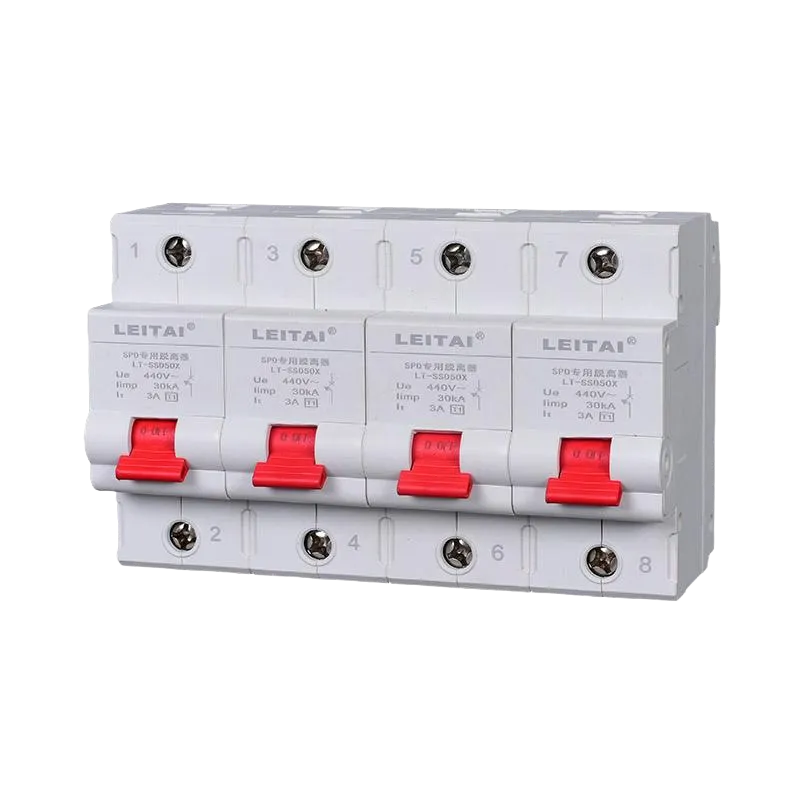
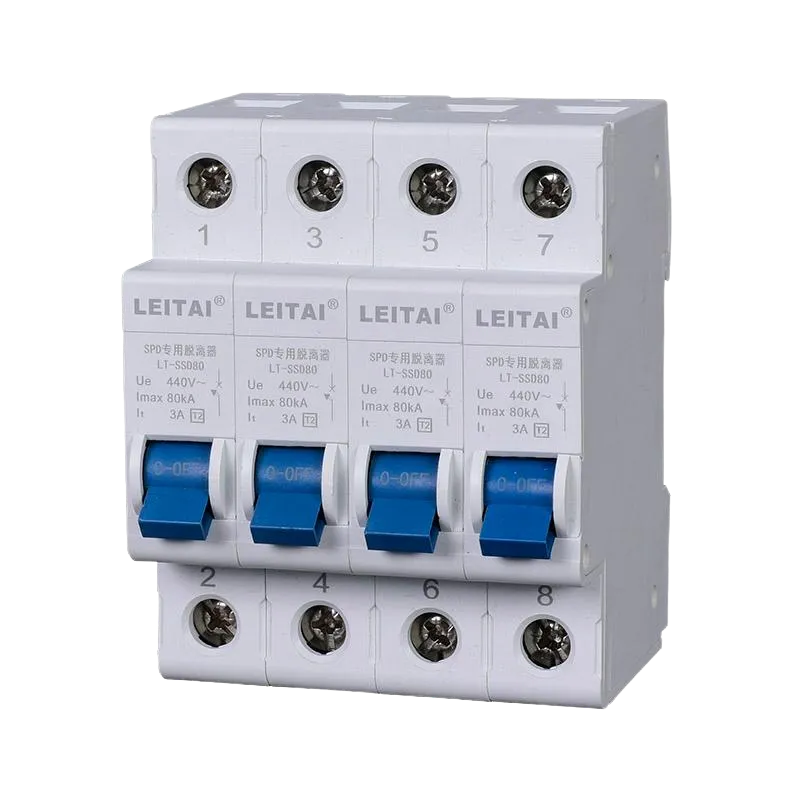
| Related models | LT-SSD50X (30kA class), LT-SSD80 (80kA class) |
Reading the LT-SSD160 specification
At this level the back-up device is not an accessory, it is part of the protection design. A 160kA arrester can pass a fault current that a standard fuse will not clear selectively, and the result is either a nuisance operation or no operation at all. The isolator is rated for the impulse and trips on the sustained fault.
It mounts on the same rail as the arrester and is available in 1P to 4P. The tripping characteristic is the same as the smaller units in the range, so a board using several ratings can keep one maintenance procedure.
Wiring Diagram & Connection
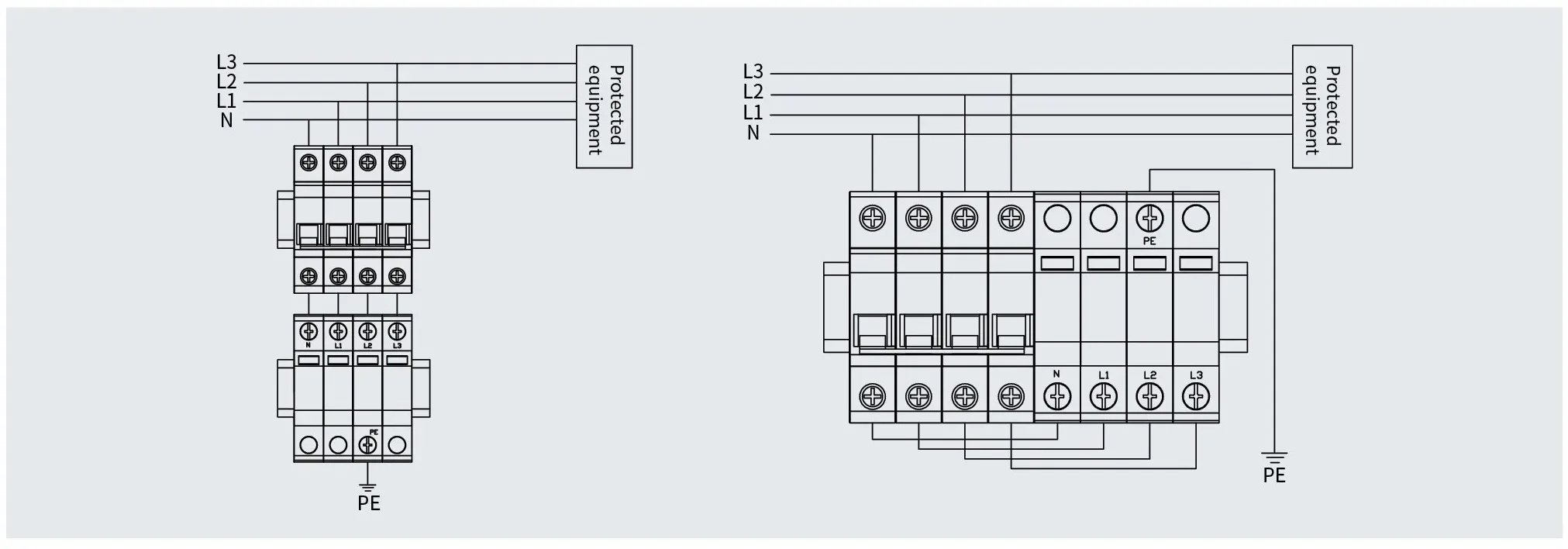
The 160 kA unit protects the largest arresters in the catalogue and is wired in series with them exactly as the smaller versions. Its own let-through rating of 160 kA means it can stay closed through a direct strike that would weld an ordinary MCB.
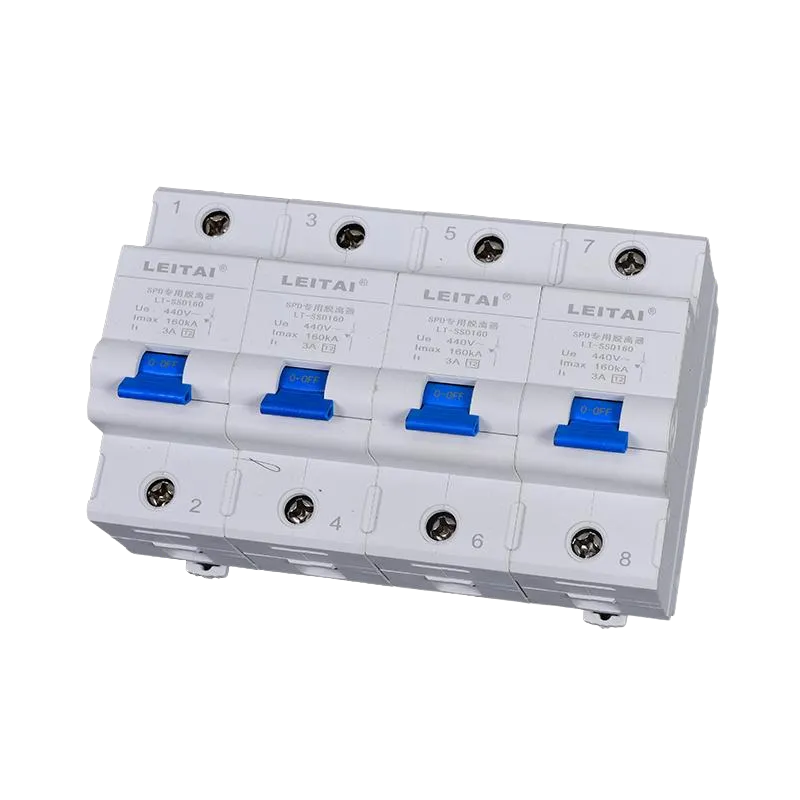
LT-SSD160 — The Last Component Anyone Specifies, and the First to Matter
Backup protection is the part of a surge protection design that gets decided last, often by whoever is building the panel. On a main board with a 160kA arrester, that decision is as consequential as the choice of arrester: too small a device opens during a surge, and the installation is then unprotected with no indication beyond a tripped lever.
The correct basis is documented rather than intuitive. The arrester’s datasheet states the maximum backup protection it permits, the installation design states the prospective fault current, and the accessory has to satisfy both. Where those two figures conflict, the arrester rating governs and the board protection is adjusted to suit.
Factory-Direct OEM / ODM Manufacturer
One Line, One Supplier
Own tooling · own test station · 40+ export markets since 2010
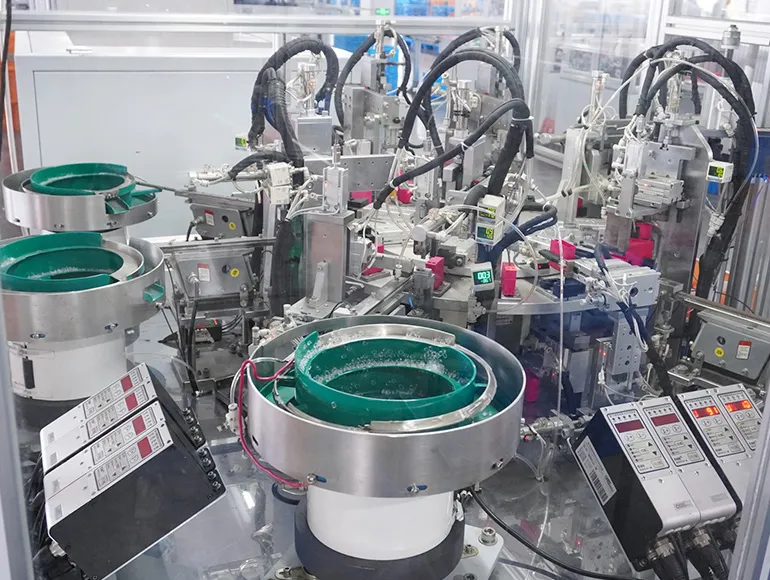
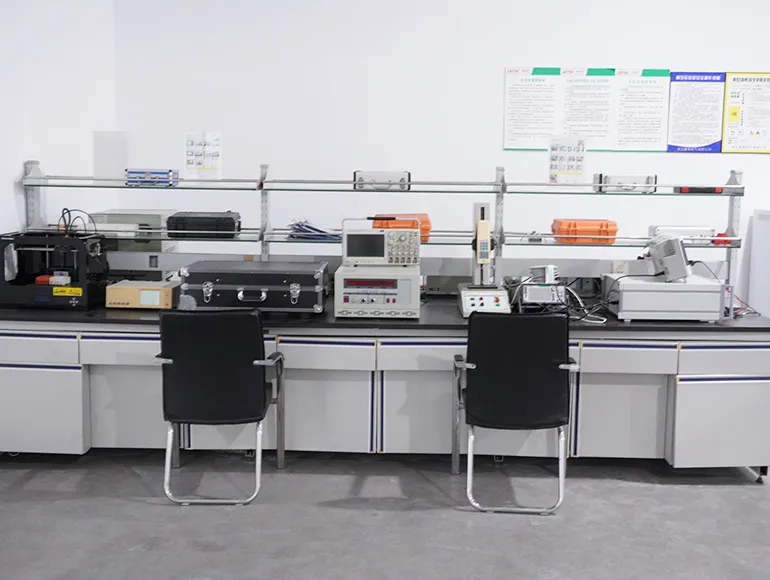
Importers usually buy surge protection from two or three traders and then discover that the modules do not fit the same busbar. We build the whole chain — moulding, assembly, calibration and final test — in one plant, so a mixed order arrives consistent. The series overview is on our AC SPD range page.
- OEM / ODM — design changes handled in house from drawing to first article.
- Mixed containers — several models and accessories loaded together against one PO.
- Documents — test reports, declarations and dimension drawings supplied with the shipment.
- After-sales — replacement modules and spare parts supported for the life of the range.

Buying Guide
- Confirm the maximum discharge current of the entry arrester, typically 100kA or 160kA at a main board.
- Read the permitted maximum backup protection from the arrester datasheet.
- Confirm the prospective fault current at the main board.
- Select the SSD class that meets both figures and carries the surge without opening.
- Record the selection in the panel schedule so a later replacement is not substituted.
Where the LT-SSD160 is the wrong choice
It is oversized for 40kA or 80kA arresters — the LT-SSD80 is the correct match there. It also does not replace the main protective device or the board’s own isolation, and it is not a substitute for a Type 1 SPD where one is required.

How We Support Your Business
OEM / ODM
From a printed logo on a standard module to a modified housing and a new rating label — changes are handled on our own tooling, not through a broker.
Logo printing · Modified housing · Own label

Wholesale
Buy the models that move in your market and mix them with accessories in the same shipment; pricing is quoted per configuration.
Per-item MOQ · Mixed shipment · Export packing
Distributor Support
Stock planning, replacement-module supply and market-specific documentation for channel partners who hold inventory.
Stock planning · Spares · Documentation
Ready to Order the LT-SSD160?
Send the entry arrester model and the fault level at the main board, and we will confirm the LT-SSD160 as the correct backup device and supply the supporting documentation.
Frequently Asked Questions
When is a 160kA back-up device needed?
When the arrester is rated 100kA or 160kA, where a conventional fuse cannot be coordinated reliably and the fault current is high.
Is it a fuse or a switch?
It is a disconnector that trips on sustained fault current without a fuse element, so it can be reset rather than replaced.
Can one size cover the whole board?
No. The back-up rating must match the arrester it protects, so a board with mixed ratings needs matched devices.
Is the tripping current adjustable?
No, it is fixed at 3A, chosen to clear a failed element without reacting to normal leakage or surge current.
Does it work in a TT system?
Yes, in the pole configuration that matches the arrester. The earthing arrangement is handled by the arrester, not the backup device.
How is it tested?
It is impulse tested to confirm it does not operate at its rated withstand. Test data is available with the shipment for the technical file.


Reviews
There are no reviews yet.